Phase I Environmental Site Assessment (ESA)
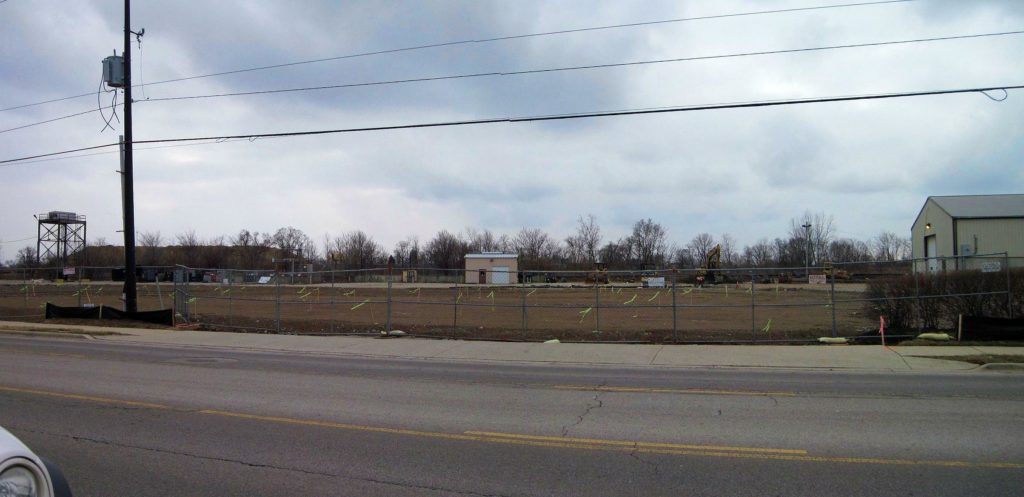
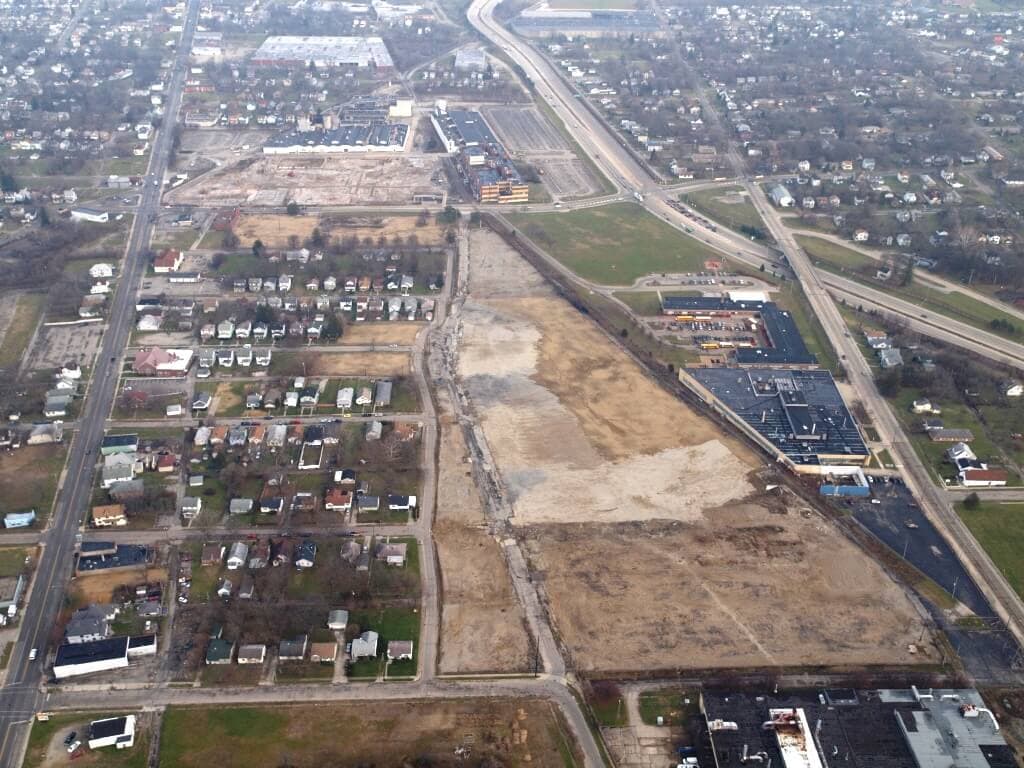
The first step in most brownfield cleanup projects is understanding the property’s environmental history. We perform a Phase I Environmental Site Assessment to determine whether past activities may have created contamination risks that could affect redevelopment.
During this stage, we review historical records and conduct a detailed inspection of the property. The process typically includes a thorough site walk and interviews with current or former operators who may have insight into past operations.
These findings help identify potential Recognized Environmental Conditions (RECs) that may require further investigation. By uncovering environmental risks early, developers and property owners can better understand potential liabilities before purchasing a site or beginning redevelopment planning.
Phase II Environmental Site Assessment (ESA) and Sampling
If the Phase I Environmental Site Assessment identifies potential contamination, the next step is a Phase II investigation. This phase focuses on confirming whether contaminants are present and determining their location and concentration.
Environmental engineers and field technicians collect samples from soil, groundwater, and soil vapor to evaluate site conditions. Our field team may drill borings to collect soil cores at multiple depths, install groundwater monitoring wells, and conduct vapor intrusion testing when subsurface gases could pose a risk to future buildings.
All samples are sent to certified laboratories for analysis. The resulting data helps environmental engineers map contamination across the property and determine how far it extends beneath the surface.
Remedial Action Plan Development
Once contamination is confirmed through environmental testing, we develop a Remedial Action Plan that defines how the site will be cleaned and prepared for redevelopment. This plan translates regulatory cleanup standards into clear targets for the property while accounting for the project budget, construction timeline, and future land use.
The plan may combine several techniques depending on site conditions, including:
- Excavation and disposal of contaminated soil
- Removal of underground storage tanks
- Demolition of contaminated structures or foundations
- Groundwater treatment systems
- In situ chemical treatment methods
Before cleanup work begins, regulatory agencies review and approve the remediation plan to confirm that it meets environmental standards. Our project managers coordinate so that demolition, excavation, and material removal activities align with the approved remediation strategy and support safe site redevelopment.
Field Remediation and Hazard Removal
Once the remediation plan receives regulatory approval, field operations begin. Our crews mobilize specialized equipment to perform this work safely and efficiently.
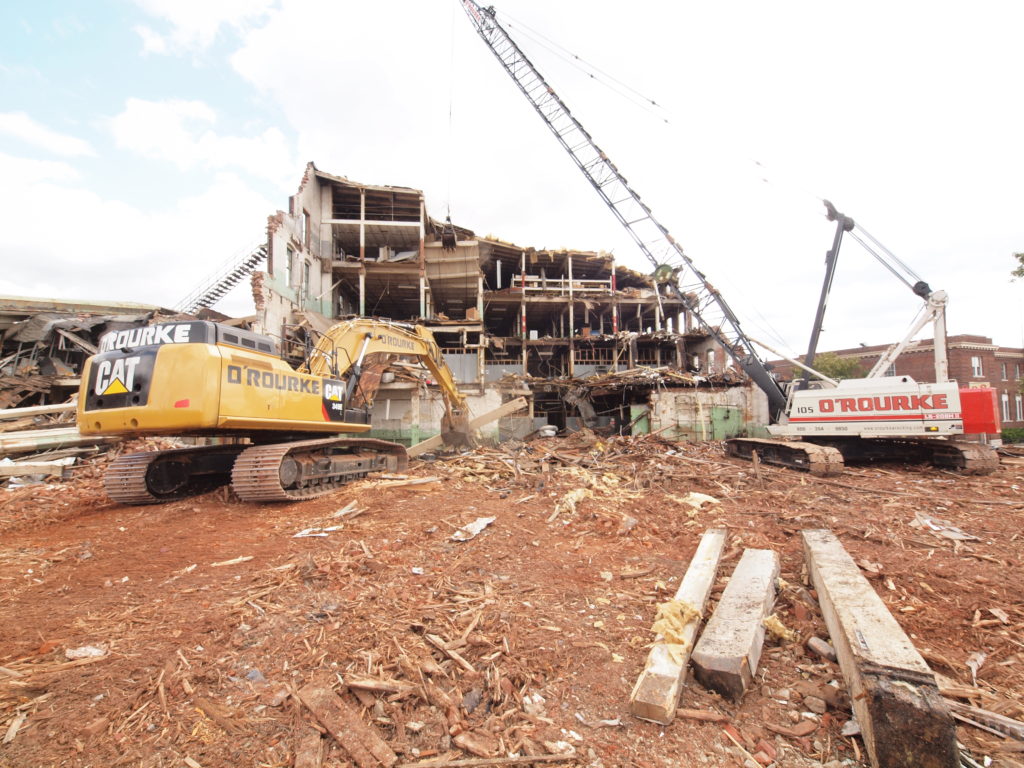
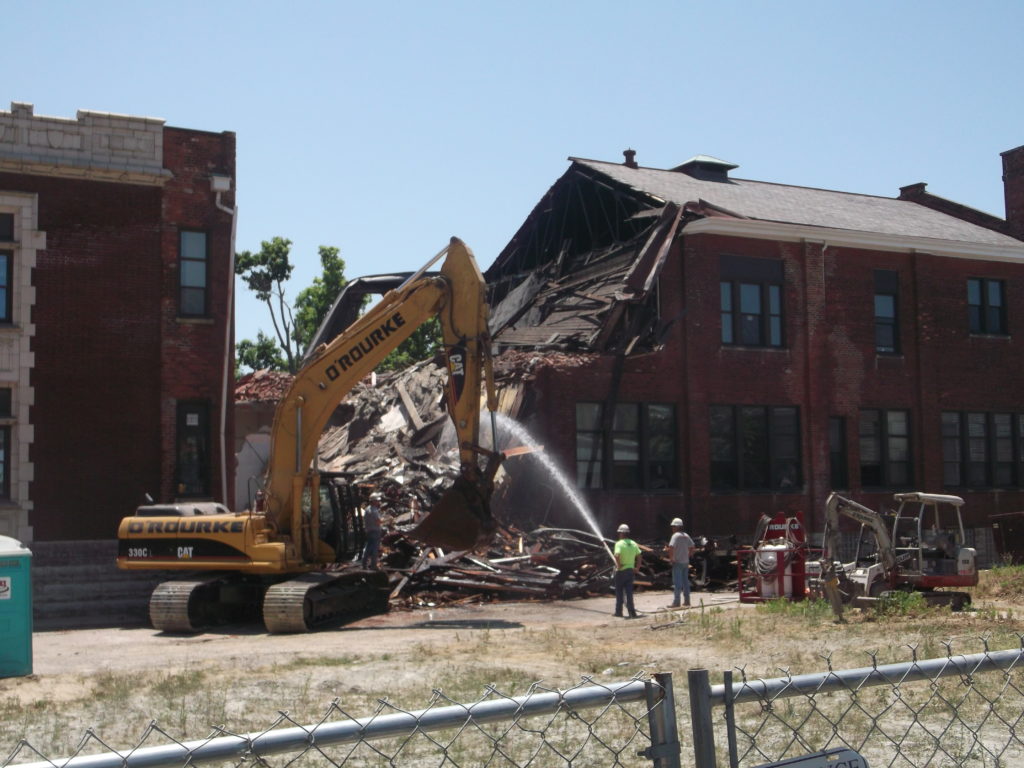
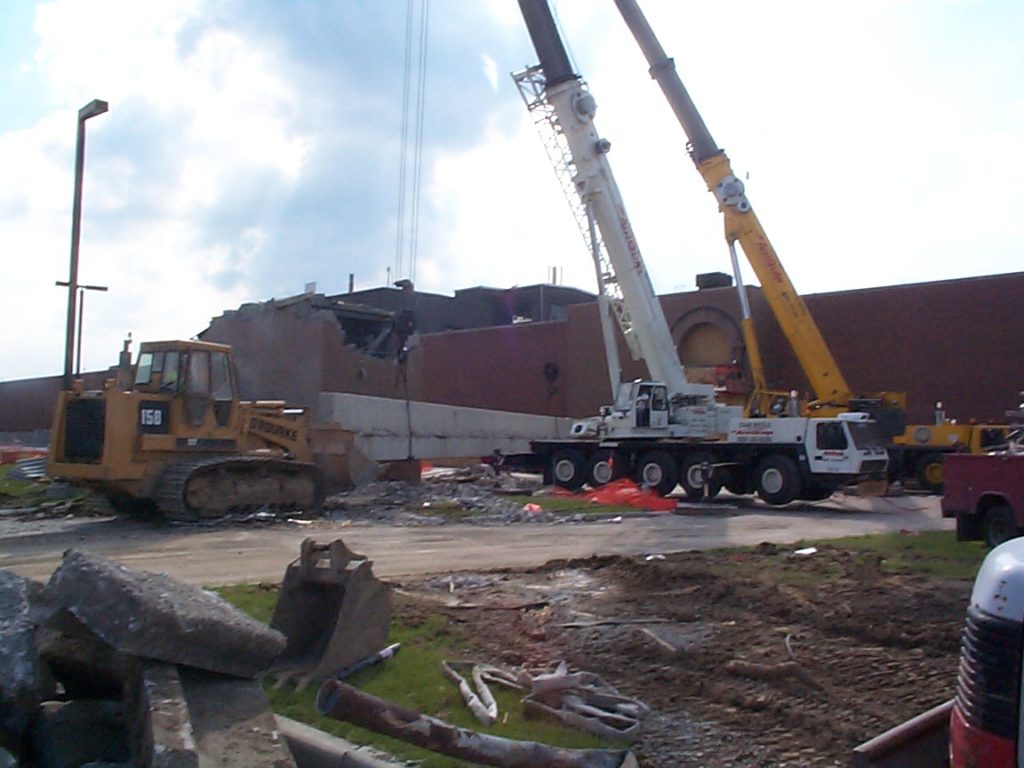
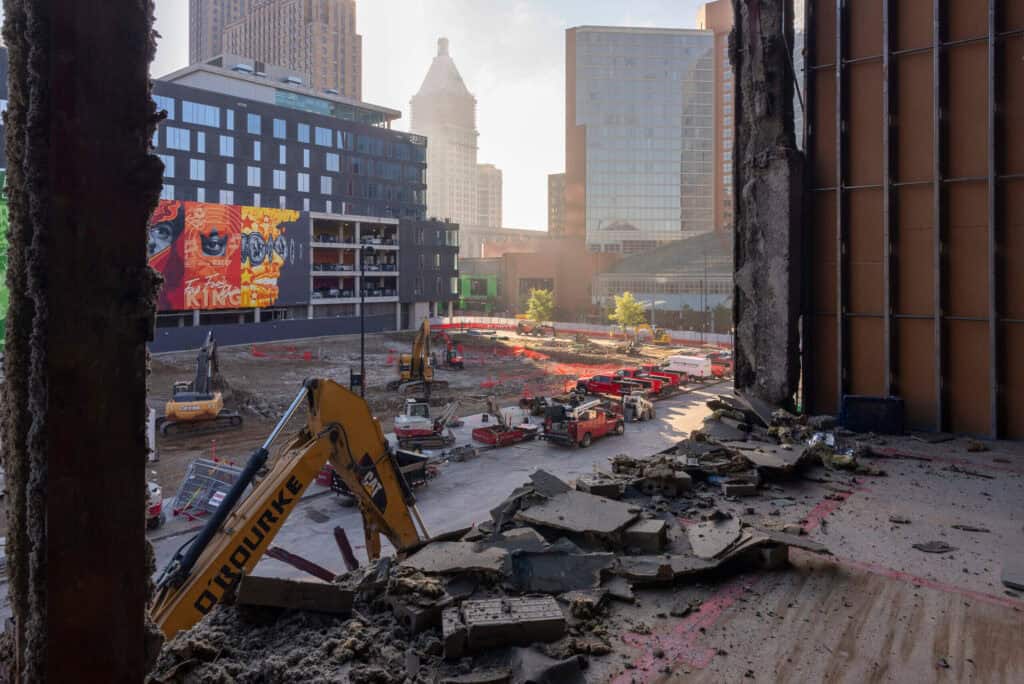
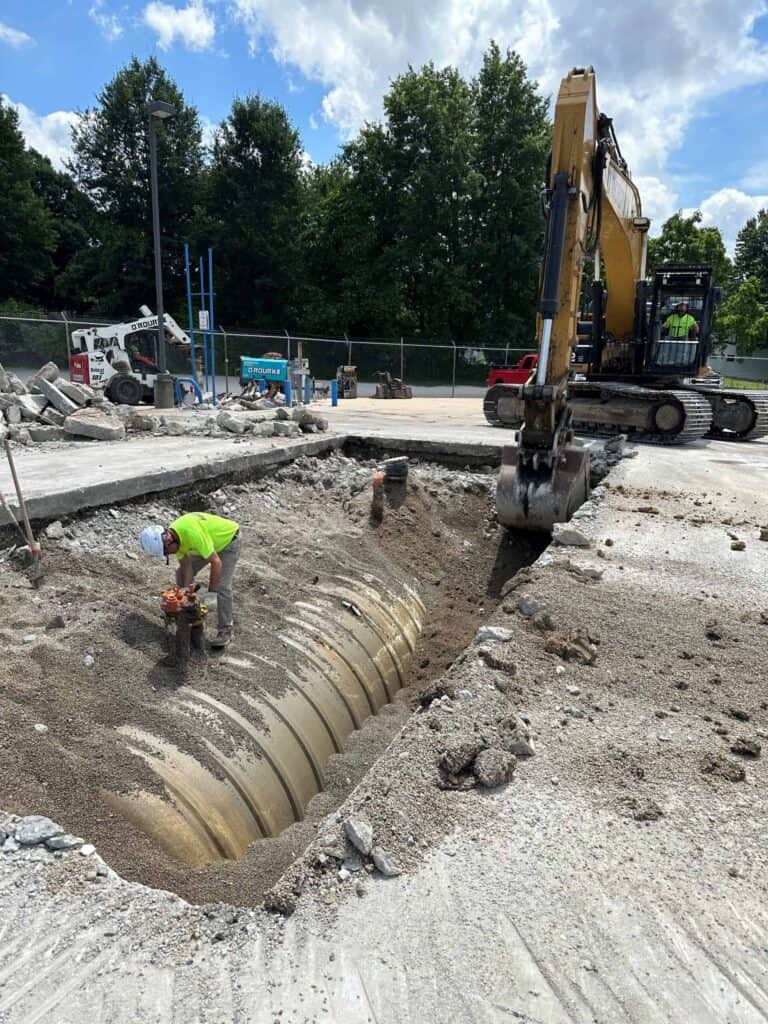
Our demolition teams regularly handle complex industrial environments that include large buildings, processing equipment, and contaminated foundations. Once structures are removed, crews begin soil remediation and environmental cleanup. This stage may involve excavating contaminated soil, removing underground storage tanks, and transporting hazardous materials to licensed treatment or disposal facilities.
Throughout the cleanup process, each load of contaminated material is documented and tracked to maintain regulatory compliance.
Typical field operations may include:
- Demolition of large industrial buildings
- Removal of process equipment and infrastructure
- Structural dismantling of contaminated facilities
- Hazardous material abatement
- Excavation of contaminated soil layers
- Removal of underground storage tanks
- Disposal of hazardous demolition debris
- Transport of contaminated materials to approved facilities
Verification, Reporting, and Closure
Once remediation work is complete, we conduct verification testing to confirm that cleanup objectives have been achieved. This stage ensures that soil, groundwater, and other environmental conditions meet the regulatory standards established in the approved remediation plan.
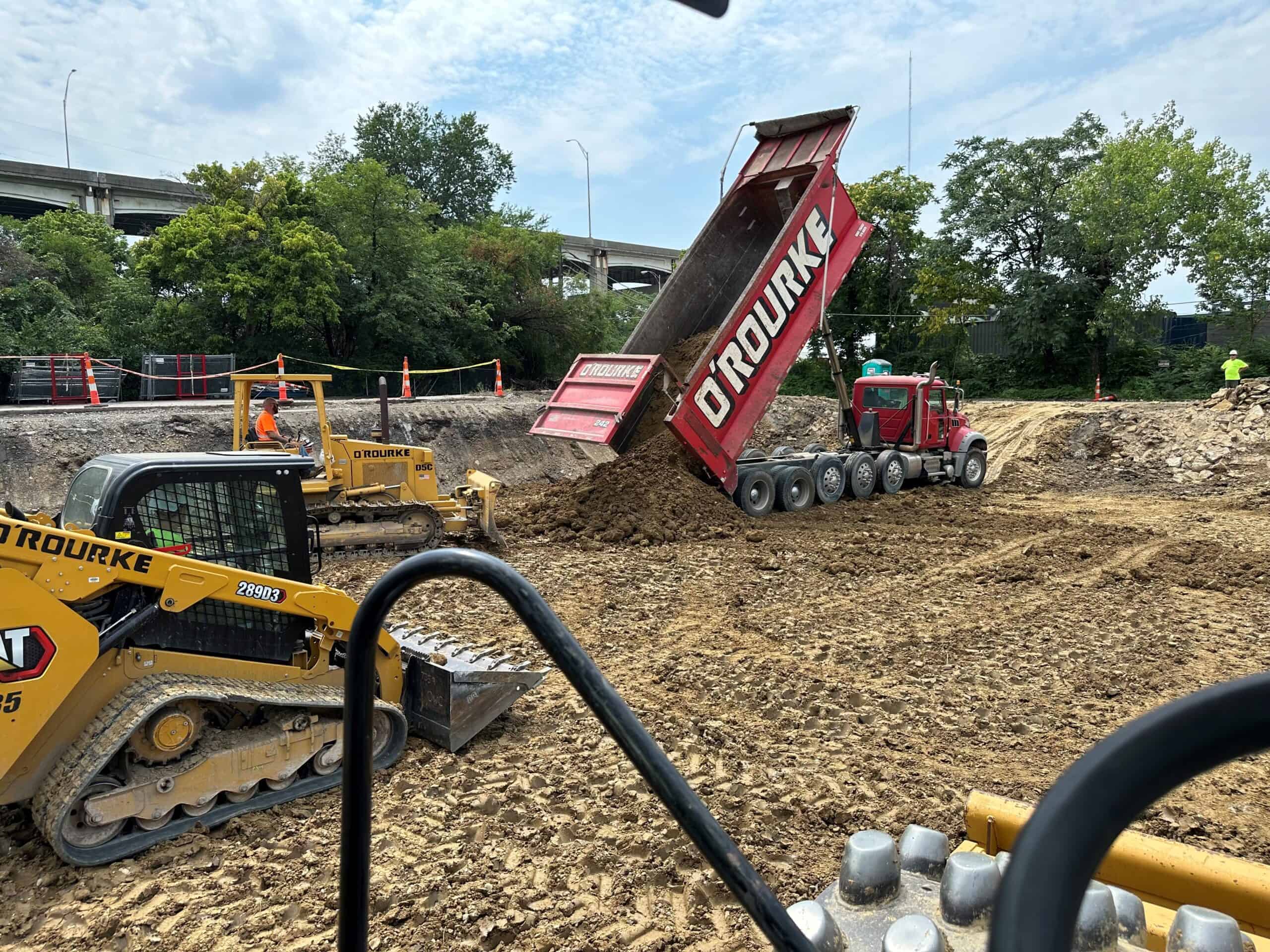
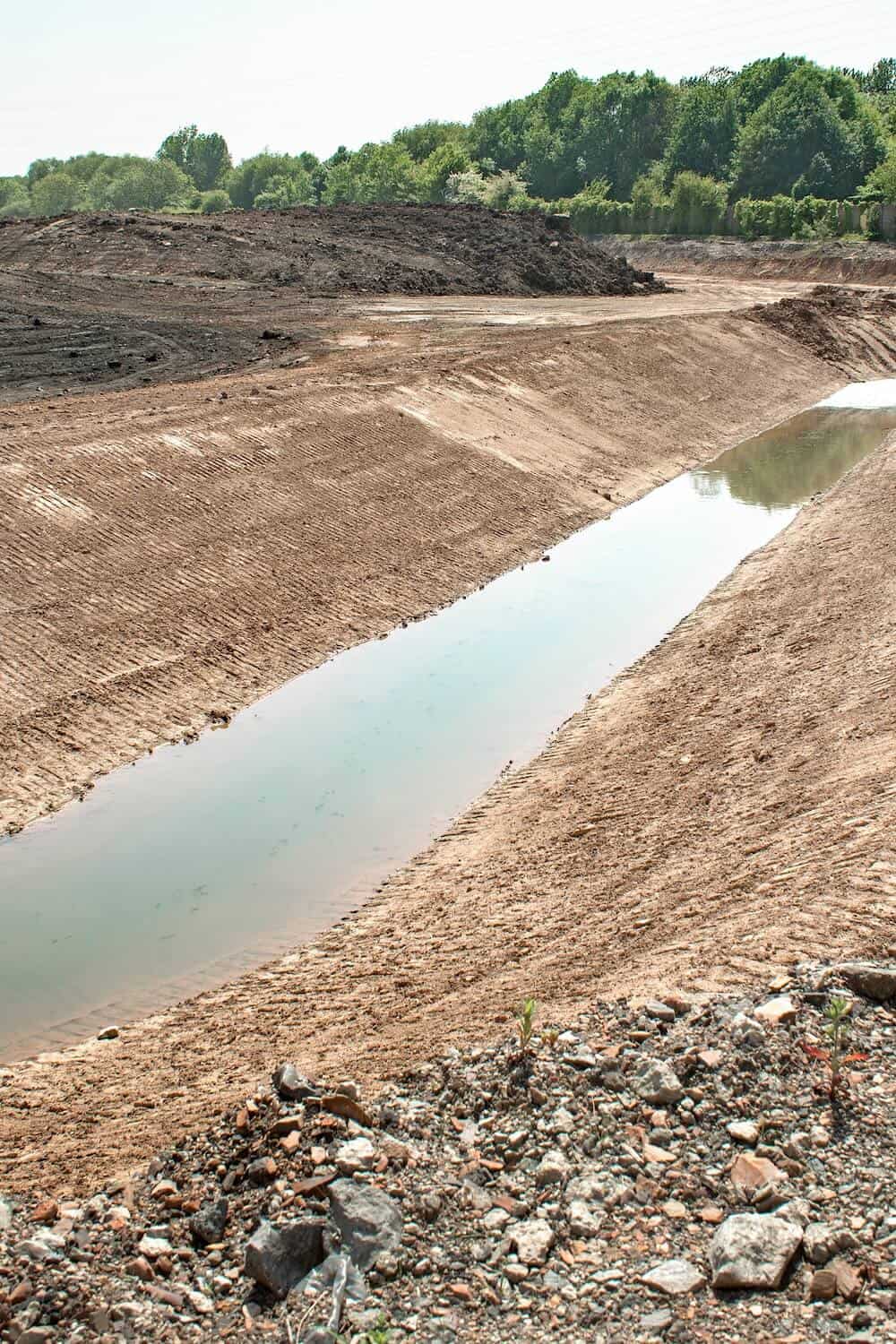
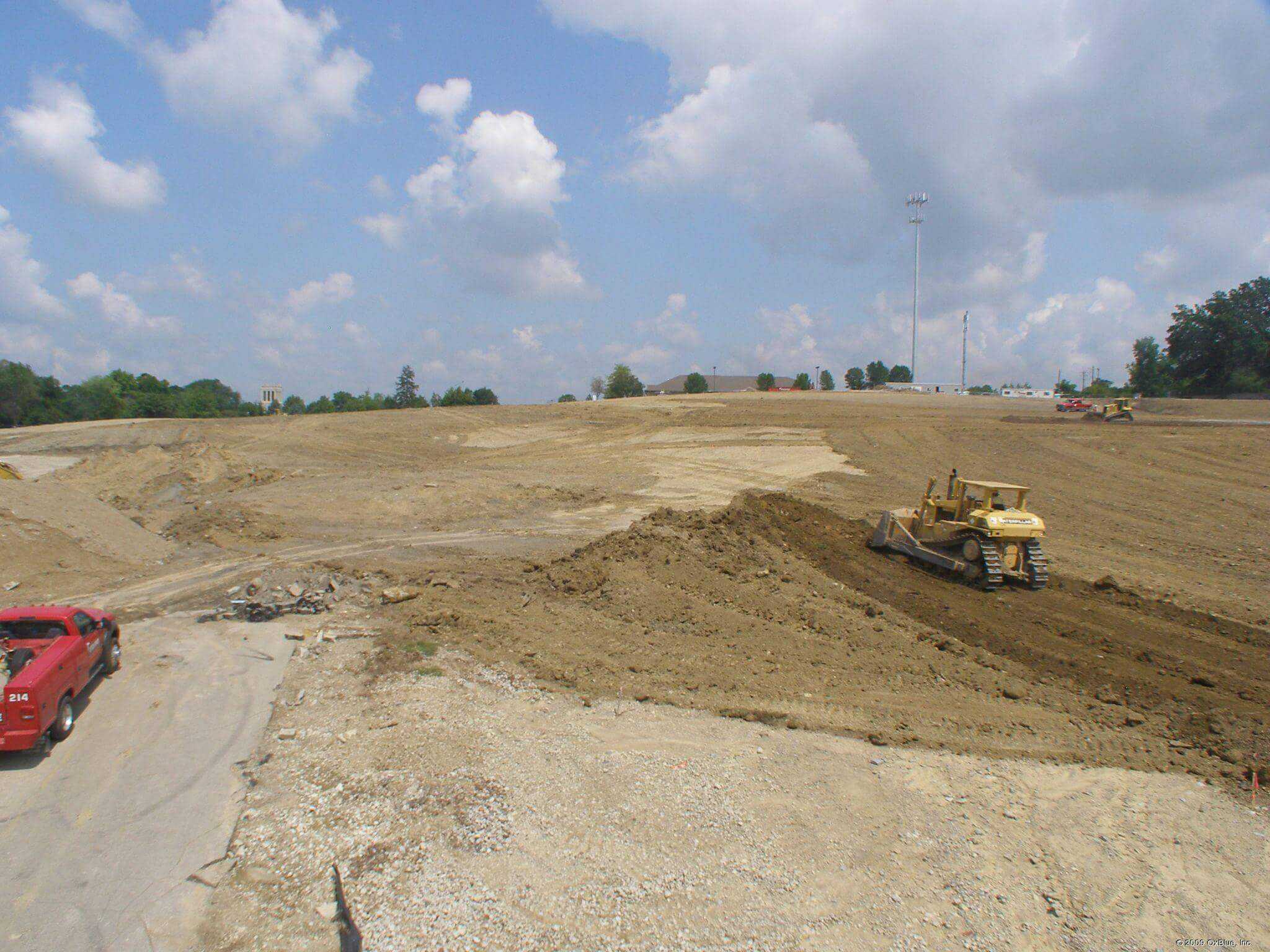
At the same time, the site is stabilized and prepared for redevelopment. This phase often includes backfilling excavated areas, grading the property for future construction, and completing compaction testing to verify that the ground conditions support development.
All testing results and project records are compiled into a formal closure report, which is submitted to regulatory agencies. When the agencies confirm that cleanup requirements have been satisfied, they issue official documentation.
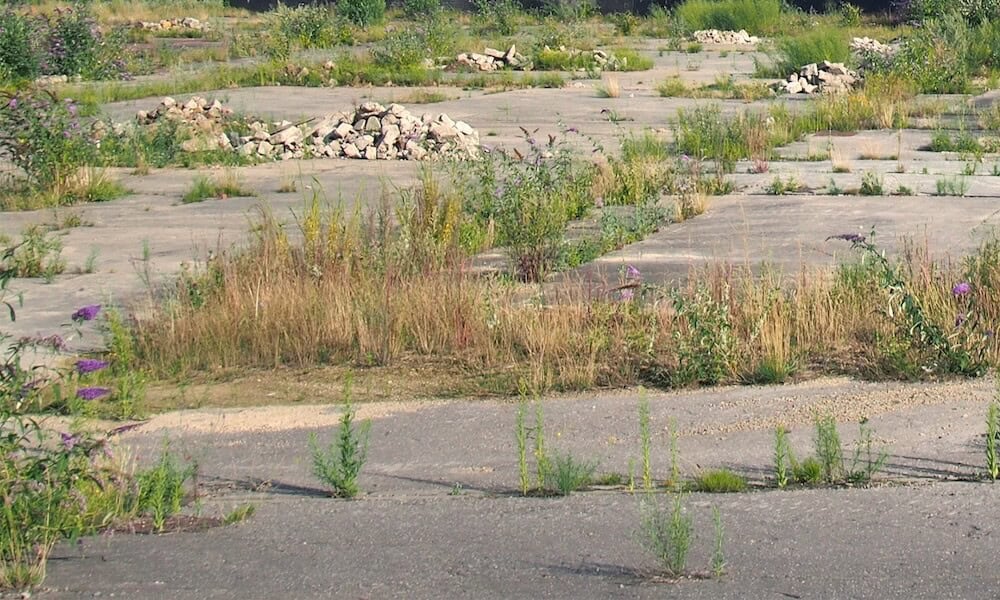
These approvals provide legal and regulatory closure for the remediation effort and help protect property owners and developers from future environmental liability, allowing redevelopment planning and construction to move forward with confidence.