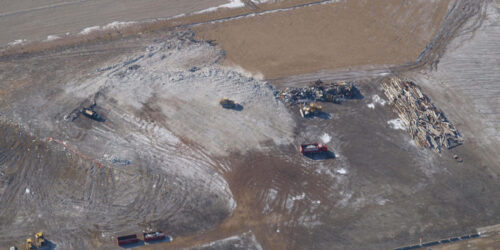
Redeveloping brownfield land comes with a unique set of challenges—but it also presents opportunities to bring underused properties back to life. At O’ROURKE, we’ve helped public agencies, private developers, and environmental consultants prepare hundreds of brownfield sites for safe, productive use. From former industrial plants to abandoned gas stations, we’ve seen what these properties can become once the contamination is addressed and the structures are safely removed.

Whether you’re eyeing a redevelopment project or need to make a contaminated site build-ready, we’re here to walk you through the process and execute the work with precision.

What Is Brownfield Land?

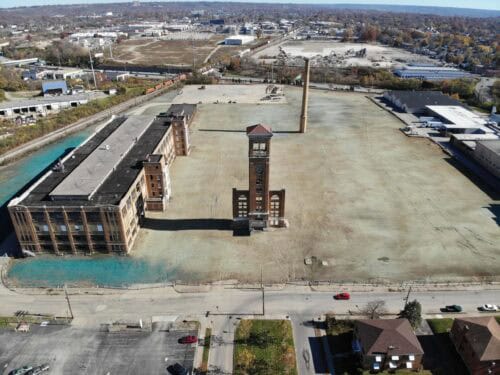
Brownfield land refers to property that has been used before, usually for industrial, manufacturing, or commercial activities, and now sits vacant or underused. These sites may have real or perceived environmental contamination due to past operations. The EPA defines a brownfield as a property where “the expansion, redevelopment, or reuse may be complicated by the presence or potential presence of a hazardous substance, pollutant, or contaminant.” In practical terms, a brownfield could be anything from a small dry cleaner in a neighborhood strip mall to a massive, defunct steel mill on the edge of town.

A few characteristics define brownfield properties:

  • They often have some degree of environmental risk, such as leftover chemicals, fuel residues, or hazardous materials.
  • Their location usually makes them valuable for redevelopment, often in urban or suburban areas with existing infrastructure.
  • They require professional assessment and, in many cases, environmental cleanup before safe reuse.

These properties matter for more than environmental reasons. Reclaiming brownfields is one of the fastest ways to revitalize a neighborhood, bring new business to a region, and protect the environment all at once.

The Challenges of Brownfield Sites

Brownfield properties are not typical construction sites. They come with environmental risks, legal uncertainty, and public health concerns. Developers often face a complex set of problems when trying to move forward:

  • Contamination risks: Substances like lead, asbestos, petroleum, PCBs, or chlorinated solvents can linger in soil, groundwater, and structures.
  • Liability: Environmental regulations can assign cleanup responsibility to current owners, even if they didn’t cause the contamination.
  • Unknown subsurface conditions: Underground tanks, buried debris, unstable fill material, or undocumented utilities can delay construction.
  • Permitting and compliance: Redeveloping a brownfield means navigating state and federal regulations, health standards, and community expectations.
  • Funding gaps: Even when incentives exist, developers often struggle to assemble the financing needed for cleanup, demolition, and site prep.

Without a capable partner, brownfield remediation projects can stall before they start. That’s where we come in.

How O’ROURKE Supports Brownfield Redevelopment

At O’ROURKE, we’ve been part of some of the Midwest’s most complex brownfield redevelopment efforts. Our teams specialize in full-service site preparation—from environmental support to demolition, remediation, and grading.

We don’t apply a cookie-cutter approach. Each brownfield site has its own contaminants, site history, and end-use goals. Whether it’s prepping land for affordable housing, a logistics hub, or a community center, we adapt our services to fit the scope.

Phase I & Phase II Environmental Site Assessments

We typically get involved after (or during) Phase I and Phase II Environmental Site Assessments (ESAs). These assessments are critical for identifying Recognized Environmental Conditions (RECs) and determining what needs to be remediated.

We don’t conduct the ESAs ourselves, but we work closely with environmental consultants and property owners to:

  • Interpret findings
  • Estimate cleanup requirements
  • Support development of remediation plans
  • Coordinate with regulators during planning and execution

Our role begins where the paperwork ends: physical removal, containment, and mitigation of the hazards identified.

Demolition Services on Brownfield Sites

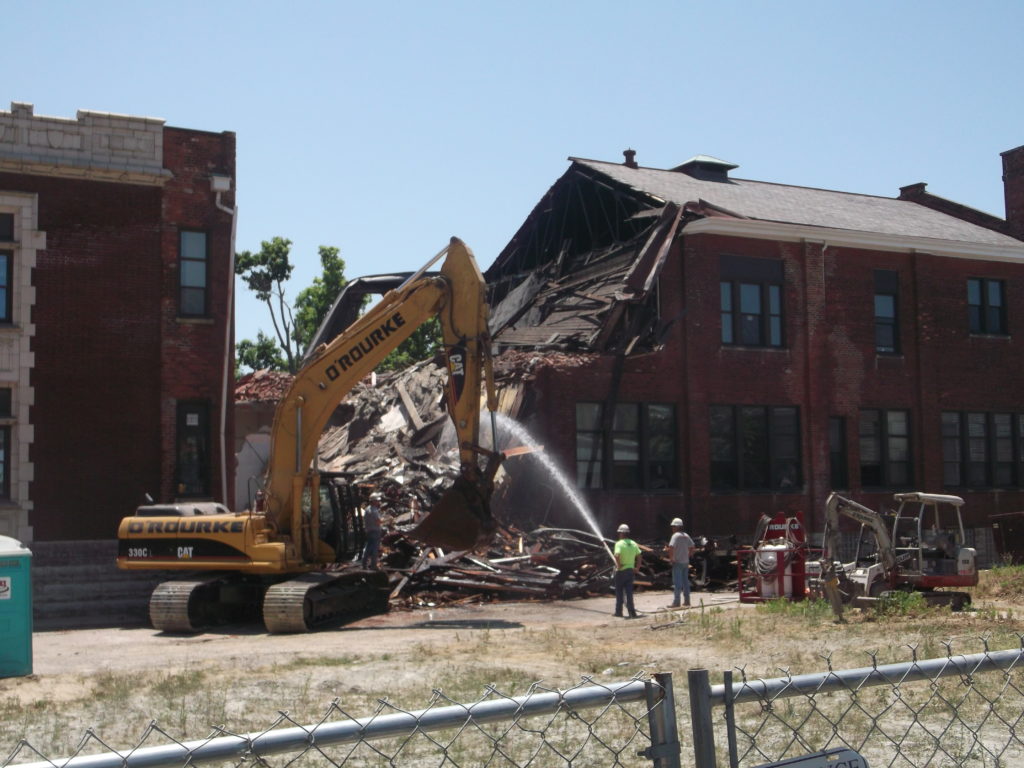
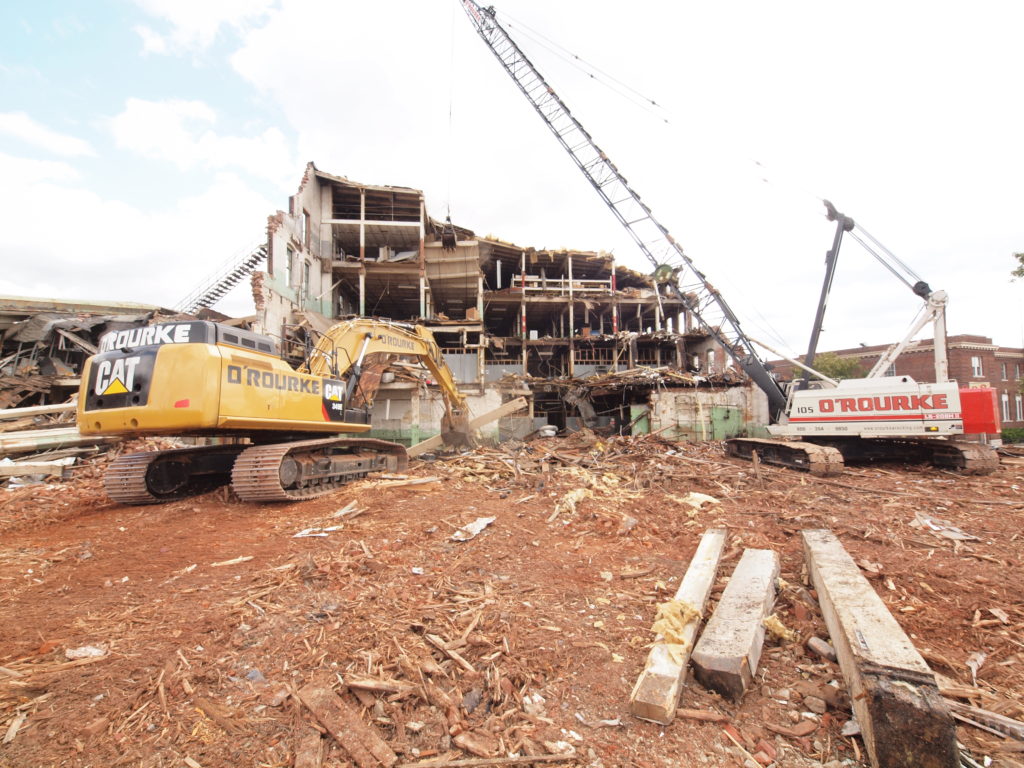
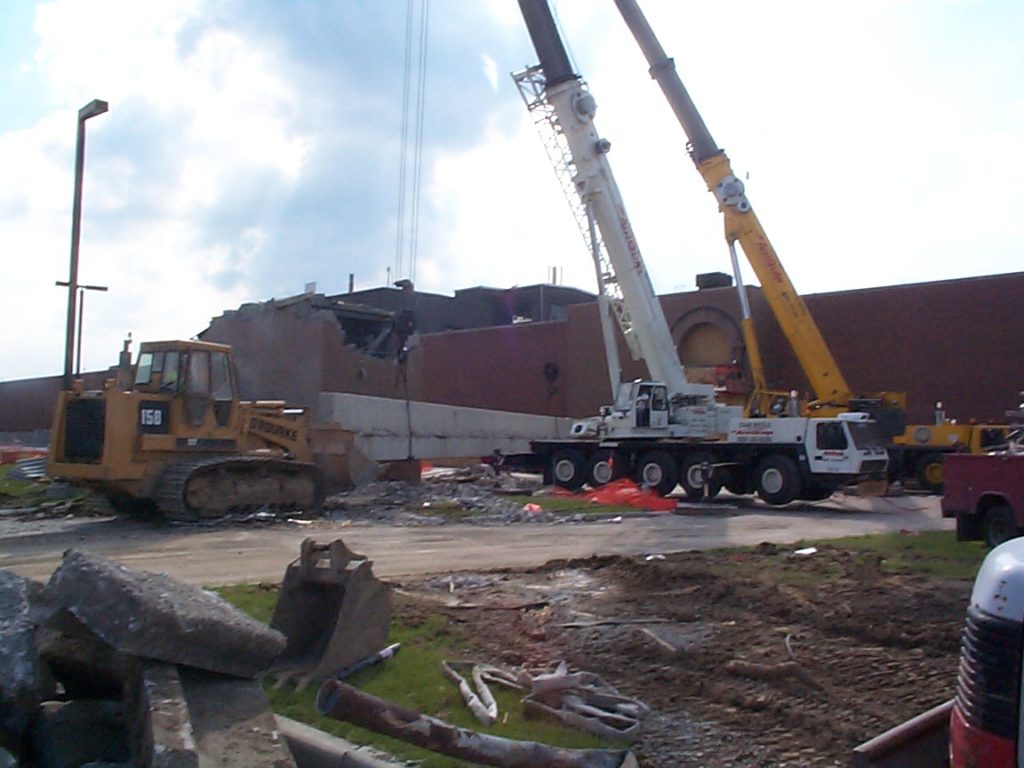
Demolition is rarely straightforward on brownfield land. Buildings may be structurally unsound. Materials may contain asbestos, lead, or other hazardous substances. Slabs may sit on contaminated soil, and remnants of equipment may still be buried on-site.

We provide:

  • Selective demolition to preserve structural components or utilities
  • Full structural demolition with proper dust and debris control
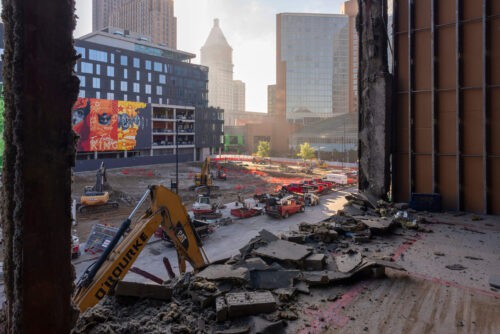
  • Interior gutting, slab removal, and below-grade demolition
  • Asbestos abatement and lead-safe demolition techniques

We bring the equipment and crew to complete the job quickly without cutting corners.

Brownfield Remediation Services

Our crews handle a wide range of physical remediation tasks, including:

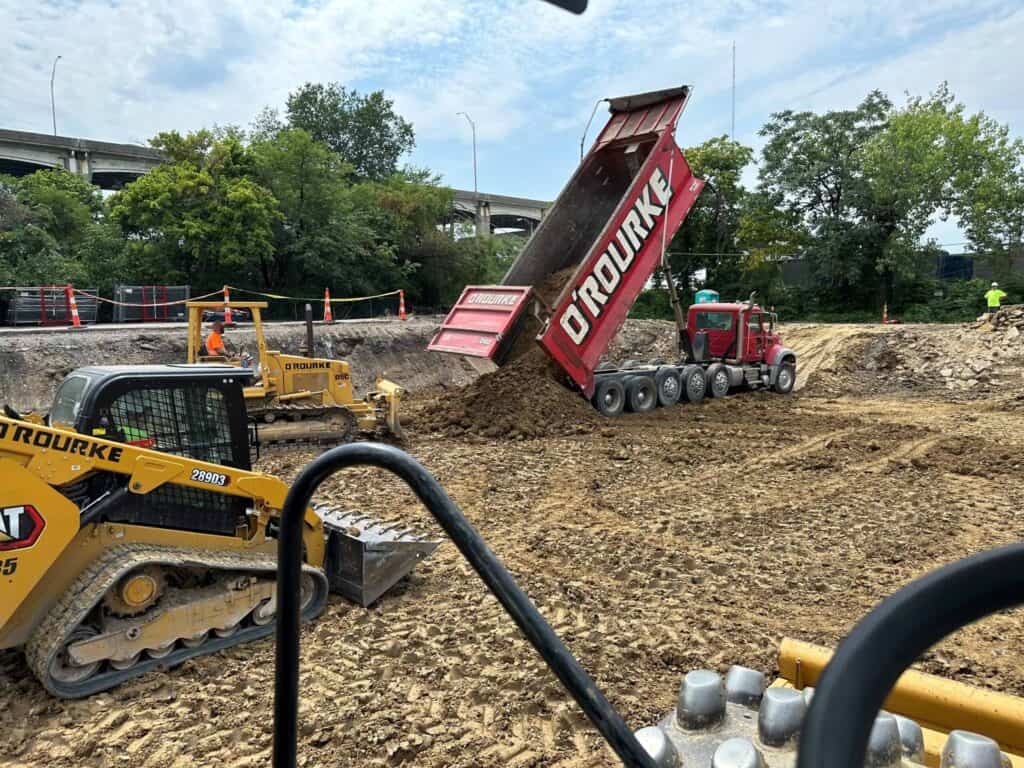
  • Soil excavation and removal for contaminated fill and impacted areas
  • Soil stabilization using chemical additives or solidification methods
  • Capping strategies (impermeable barriers or clean soil cover)
  • Underground storage tank (UST) removal and disposal
  • Vapor mitigation measures, including passive venting systems and vapor barriers
  • Stormwater controls to prevent spread of contaminants during excavation

Everything we do is documented, reported, and compliant with EPA, state, and local regulations. Our remediation services are tightly integrated with demolition and site prep, which streamlines the redevelopment timeline.

Site Preparation and Redevelopment Readiness

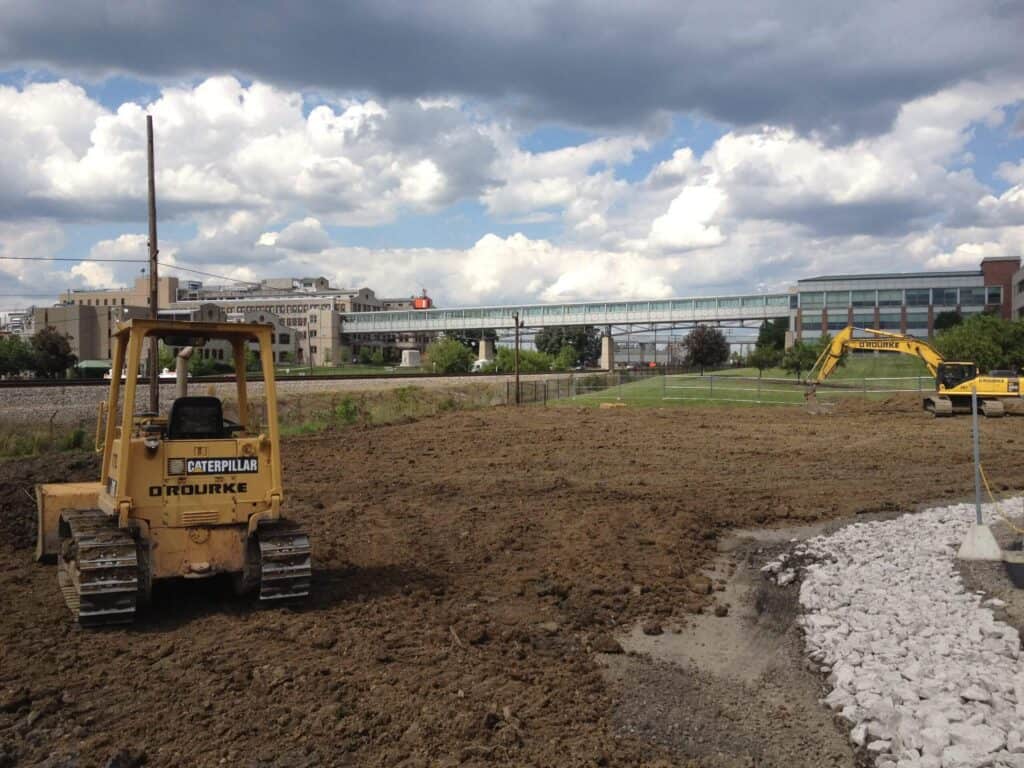
After cleanup, a site still needs to be prepared for vertical construction. We offer complete site prep services tailored to your next steps:

  • Backfill and compaction for build-ready pads
  • Final grading and contouring to design specs
  • Utility trenching and subgrade prep
  • Installation of erosion controls (silt fencing, stabilization fabrics)
  • Construction entrance setup and dust suppression plans

We also install vapor barriers, venting layers, or monitoring wells when required by remedial action plans.
Funding and Brownfield Incentives

A major hurdle for brownfield projects is financing the cleanup. Fortunately, there are tools available—if you know how to access them. O’ROURKE is familiar with the agencies, programs, and paperwork required for:

EPA Brownfields Program grants

We’ve worked on projects funded by public-private partnerships, municipal bonds, and grant assistance. While we’re not a funding source, we help stakeholders build realistic budgets and scopes based on known funding parameters.

Safety, Compliance, and Risk Management

Brownfield sites often carry elevated safety risks. Our crews are trained and certified to operate in hazardous environments. All O’ROURKE field personnel involved in brownfield work maintain:

  • OSHA 40-hour HAZWOPER certification
  • Respiratory protection and PPE training
  • Site-specific hazard communication plans

We maintain rigorous air monitoring, dust control, and waste handling protocols. Our safety team works closely with regulators to document compliance and ensure environmental protection at every phase.


Why Choose O’ROURKE for Your Brownfield Land?

O’ROURKE stands out for several reasons:

  • Experience: Decades in demolition and environmental remediation, with hundreds of successful brownfield projects.
  • In-house Expertise: From engineers and environmental scientists to project managers and field crews, our staff handles every stage.
  • Proven Safety Record: Our safety culture protects people, property, and the environment.
  • Comprehensive Services: Site assessment, regulatory support, remediation, demolition, and site prep—every aspect covered.
  • Client-Focused: We listen, communicate, and tailor our approach for each client and community.
 

Request a Brownfield Land Assessment

Ready to see the potential in your property? O’ROURKE offers site assessments, project consultations, and guidance for every step of the brownfield redevelopment journey. Whether you’re evaluating an old factory, planning a neighborhood upgrade, or seeking help with regulatory compliance, we’re ready to help.

Contact us today for a consultation or site evaluation