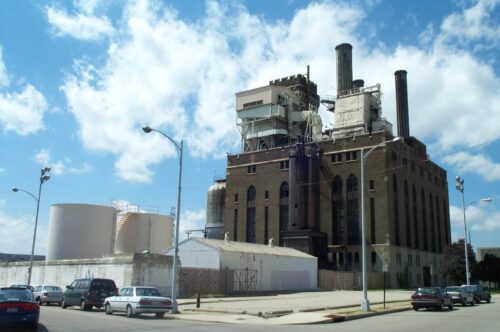
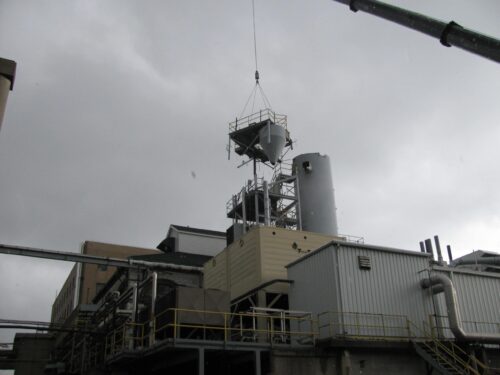
At O’ROURKE Wrecking Company, we’ve been at the forefront of industrial demolition and dismantling since 1962. We help clients move forward with confidence, whether the goal is site redevelopment, asset recovery, or safe decommissioning of a plant. Let’s walk through how industrial dismantling works, why it matters, and what you should expect when you choose a contractor with a real track record in the industry.

Industrial Dismantling: What It Is, How It Works, and When Facilities Need It

Industrial dismantling plays a central role in the life cycle of manufacturing plants, processing facilities, and heavy industrial sites. We complete these projects for companies that are closing a facility, modifying a production line, removing aging equipment, or planning a long-term shift in operations. The work requires planning, engineering, specialized equipment, and teams that understand how to work inside complex environments. We have spent decades helping facility owners handle these transitions with safe sequencing and predictable timelines.

The demand for dismantling continues to grow across many sectors. Companies face new regulations, updated equipment requirements, and increased pressure to manage materials responsibly. We see these needs in refineries, steel plants, chemical producers, food and beverage operations, energy facilities, and large distribution centers. Each site has its own conditions that influence how dismantling must be planned. That is why we build each project around a clear assessment, detailed scope, and a schedule that fits the facility’s operational needs.

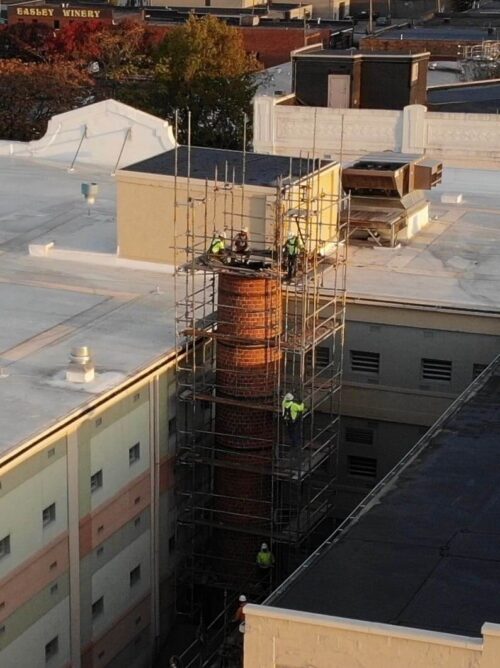
deconstruction and dismantlement services

What Industrial Dismantling Means for Facility Owners

Industrial dismantling involves the planned removal of equipment, systems, and structures inside an industrial environment. The work can take place in a facility that is still active or at a site that has already closed. The goal is to remove specific assets without disturbing surrounding operations or compromising the safety of nearby workers.

Many people compare dismantling to demolition, but the two serve very different purposes. Demolition removes an entire structure. Dismantling focuses on selective removal. We separate lines, isolate equipment, disconnect utilities, and take apart components section by section. This approach prevents damage to valuable infrastructure and helps owners keep parts of the site operational.

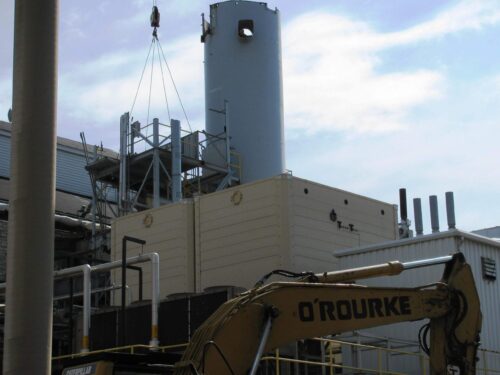
Each item requires the right tools and removal sequence. For example, a large tank may need to be drained, cut, rigged, and lifted with a crane. A process line might require disconnecting multiple utilities before disassembly. We adjust our method for each asset so the removal stays controlled and safe.

When Facilities Need Industrial Dismantling

Companies contact us at different stages of their operational planning. Some need to remove a single piece of equipment, while others are planning a full site closure. Below are the most common situations where dismantling becomes essential.

Plant Closures or Consolidations

Facilities close for many reasons. A company may move production to a larger site, shift product lines, or consolidate operations into one location. During a closure, owners need a contractor that can remove equipment efficiently and follow the correct regulatory steps. We handle the full process, including hazardous material surveys, utility isolation, asset recovery, and structural removal.

Reconfiguration and Modernization

Many plants update their equipment to improve output or replace outdated systems. Removing older lines gives teams room to install safer or more efficient machines. Our dismantling crews clear space with minimal disruption. We coordinate with plant managers to schedule work around shifts or production cycles.

Environmental Compliance Requirements

Older equipment often carries environmental risks. Some tanks hold residual chemicals. Certain process lines include materials that require special handling. We support clients that need to remove assets tied to environmental compliance issues. Our work includes controlled removal, material segregation, and preparation for certified disposal.

Asset Recovery and Salvage Opportunities

Industrial equipment carries significant value. Many facilities choose to recover certain components and reuse them at secondary sites. Our teams label equipment, protect salvageable parts, and load them for transport. We also separate metals and other materials that can be recycled. Facilities benefit from these recovered materials because they reduce waste costs and support sustainability initiatives.

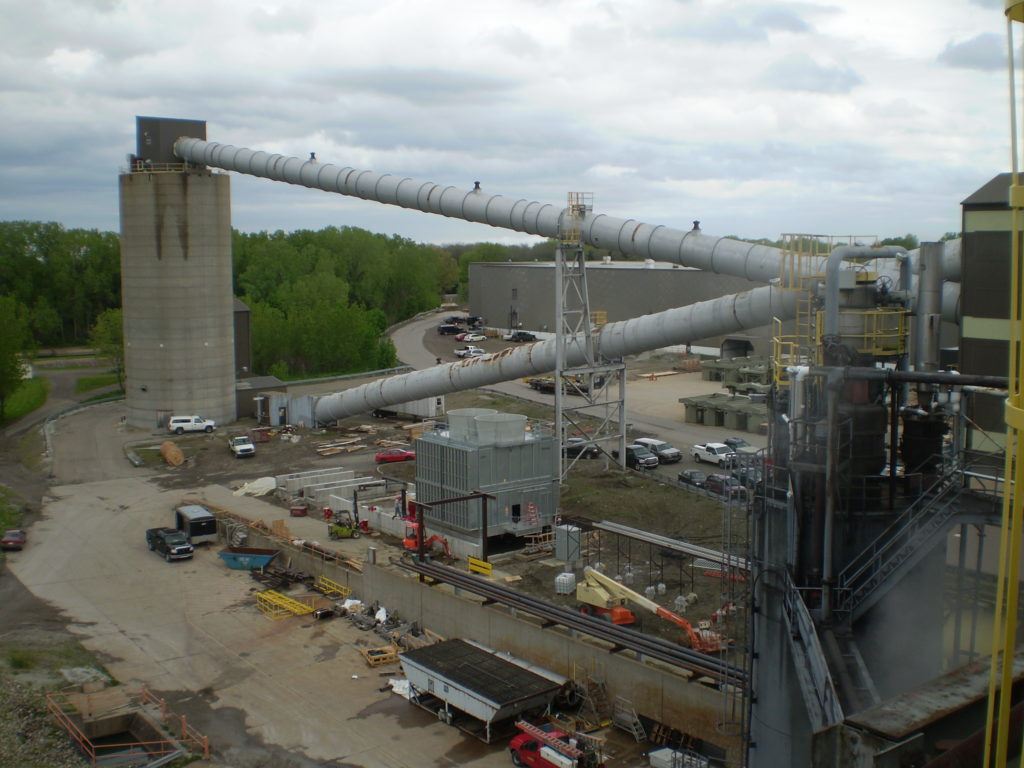
historical preservation and salvage services

Why Industrial Dismantling Requires a Specialized Contractor

Dismantling work requires skills drawn from engineering, demolition, rigging, and construction. Many facilities ask us to help because they need a contractor that understands the combination of safety, planning, and heavy equipment required for the work.

Site Readiness and Redevelopment

When a facility reaches the end of its operational life, the first step to a fresh start is often a complete or partial dismantling. Old process lines, production equipment, and support structures don’t just take up space. They can slow down new construction, complicate permits, and create risks for redevelopment. Clearing these assets makes the site accessible for redevelopment or new use. In some cases, a client wants to convert an old manufacturing plant into a distribution hub. Others need a clean slate to attract new tenants or buyers. We’ve managed everything from food processing plant removals to heavy chemical site cleanouts, and the approach always starts with a clear understanding of the end goal.

Safety, Compliance, and Risk Reduction

Leaving heavy equipment, tanks, or support structures in place can introduce significant hazards to the people who work there and to the environment. Structural failures, hidden contamination, and unexpected utility connections have caused major project delays for clients who tried to shortcut the process. We always start with a risk assessment. Our teams know how to spot problems early, coordinate with environmental consultants, and document every step for regulatory compliance. The right approach doesn’t just avoid fines or delays. It keeps everyone safer from start to finish.

Asset Recovery and Recycling Opportunities

Many industrial facilities have valuable steel, copper, process machinery, or salvageable parts embedded in their systems. We see asset recovery as a way to maximize the value of every project. For example, dismantling an automotive plant in the Midwest gave our client a seven-figure return from scrap steel and resaleable equipment. Salvaging is about more than recycling; it’s about identifying what can be reused, remarketed, or handled for maximum cost efficiency. With the right expertise, your dismantling project can offset part of the overall investment.

Cost and Schedule Optimization

The best projects are those with predictable costs and tight schedules. Effective dismantling is about sequencing the work, controlling risks, and making sure surprises don’t derail progress. O’ROURKE uses a team approach: project managers, engineers, environmental staff, and safety specialists all coordinate to keep things moving. We leverage specialized equipment, from shears and high-reach excavators to hydraulic jacks and engineered rigging, to keep projects efficient. Our in-house services help clients avoid delays from subcontractor coordination and keep budgets tight.

Managing Hazards and Environmental Responsibilities

Many dismantling sites contain materials that require controlled handling. We focus on environmental protection throughout the project.

Hazardous Material Management

Some equipment contains chemical residue. Other components have insulation, coatings, or materials that trigger regulatory requirements. We coordinate with certified environmental teams to:

  • Identify and test suspect materials
  • Remove or encapsulate hazards
  • Document disposal records
  • Package and label materials correctly

We handle asbestos, lead, industrial chemicals, contaminated soils, and other regulated materials with strict compliance.

Waste Handling, Recycling, and Material Separation

Material separation plays a major role in industrial dismantling. Owners want predictable disposal costs, and many also want to increase recycling rates. We separate:

  • Ferrous metals
  • Non-ferrous metals
  • Plastics
  • Concrete
  • Wood
  • Reusable equipment

Steel and other metals are sent to recycling facilities. This reduces the volume of landfill waste and helps owners receive credit for recovered materials.

Air Quality, Dust Control, and Water Protection

Cutting and removal procedures create dust and airborne particles. Our teams use misting systems, industrial vacuums, and negative air machines when needed. We also control water runoff and protect nearby drains using absorbent materials, containment berms, and vacuum systems. This attention to environmental details keeps the site compliant and protects surrounding communities.

asset recovery and recycling services

Key Phases of an Industrial Dismantling Project

Every industrial dismantling job is different, but most share a core set of steps. Here’s what we do at O’ROURKE to keep things running smoothly.

1. Initial Site Assessment and Planning

Before any cutting or removal happens, our team conducts a detailed site survey. We look at building plans, walk the facility, and map out mechanical, electrical, and structural systems. We also inventory everything that needs removal, from large boilers and conveyors to small electrical panels. Environmental assessments are part of our standard process. We identify potential hazards, including asbestos, lead, PCBs, and any chemical residues that require special handling.

The planning phase is where schedules, logistics, and project sequencing come together. We coordinate with the client’s engineering teams to understand any constraints and lock in our approach. When working on a chemical plant in Ohio, for example, we built a phased schedule to work around ongoing utility connections and neighboring operations, keeping the site live while clearing out obsolete lines.

2. Hazardous Materials Identification and Abatement

Industrial sites often contain more than old machinery. Over the years, facilities can accumulate asbestos insulation, lead-based coatings, PCBs in electrical systems, or even stored chemicals in forgotten tanks. Our abatement crews are trained to identify, remove, and dispose of hazardous materials according to local, state, and federal requirements. We coordinate with third-party environmental consultants for sampling and documentation. Removal work happens before heavy equipment enters the picture, keeping the rest of the project on safe footing.

On a recent project, a steel manufacturing client needed to clear a former production line that ran through an area with decades-old asbestos insulation. We scheduled abatement ahead of demolition to keep everything on track. Once cleared, the mechanical dismantling moved ahead without delays.

3. Mechanical Dismantling and Equipment Removal

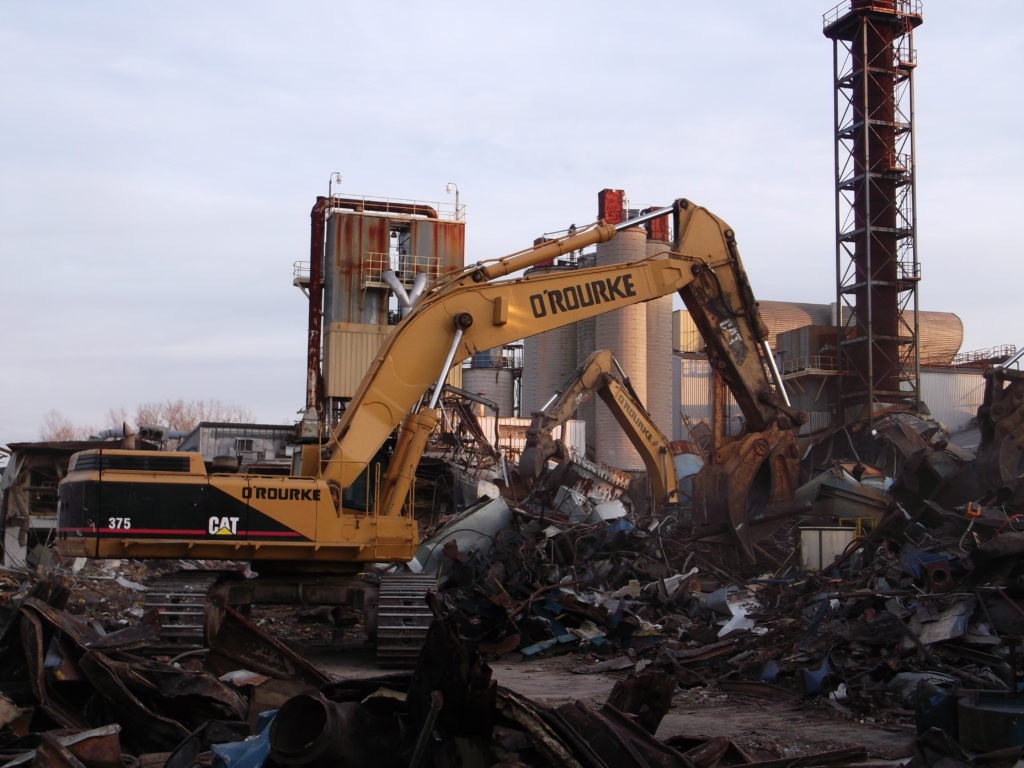
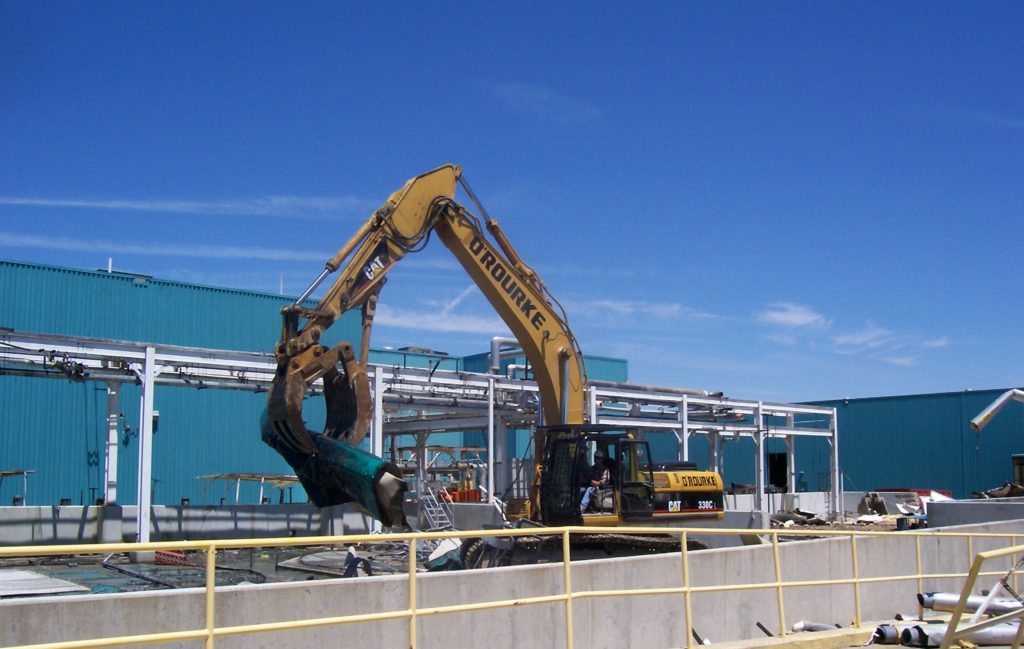
Once hazardous materials are cleared, our teams focus on the mechanical aspects of the job. We disconnect utilities, unbolt process lines, and systematically remove equipment. The goal is to segment large items for safe rigging and transport, using cranes or specialized lifts as needed. On some sites, equipment is earmarked for resale or reuse, which means our crew takes special care in cutting and packaging. Heavy steel tanks, presses, boilers, and conveyors come out piece by piece, using shears, torch cutting, and hydraulic jacks as required.

On a chemical processing site, for example, we removed 60-ton tanks and a maze of stainless piping without impacting the neighboring production line. Careful planning and experienced rigging were critical to keep everything safe and efficient.

4. Structural Demolition or Deconstruction of Supporting Systems

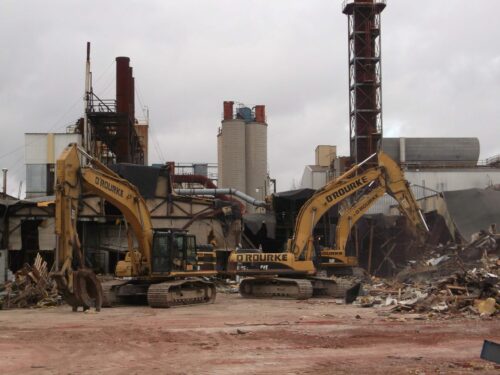
After equipment comes out, we address the building supports (mezzanines, catwalks, platforms, foundations, and structural steel) that once held everything together. In some projects, selective deconstruction is required to maintain parts of the structure for future use. On others, a full teardown prepares the site for redevelopment. Controlled demolition methods, such as saw cutting or robotic breakers, limit dust and vibration. Every step is documented and planned for minimal disruption.

A beverage bottling facility in Kentucky needed its mezzanines and platforms removed while maintaining the main structure. Our team used precision cutting and staged removal to clear the area while allowing new construction crews to begin their work on schedule.

5. Site Cleanup, Recycling, and Waste Management

Once dismantling and demolition finish, the focus shifts to site cleanup.  Our crews use on-site crushers to process concrete and divert as much material as possible from landfills. For many clients, high recycling rates (over 95 percent on some projects) help with LEED certification, corporate sustainability goals, and reduced disposal fees. All non-recyclables are disposed of safely and according to local regulations.

We finish with final grading and a detailed inspection to confirm the site is ready for its next phase of redevelopment, resale, or ongoing operations.

6. Documentation, Compliance, and Turnover

The closeout phase includes full documentation of everything removed and recycled. Clients receive waste manifests, recycling reports, and regulatory documentation to satisfy compliance requirements. This paperwork is essential for liability protection and environmental reporting. We provide clear turnover packages so clients can move forward with redevelopment or sale, knowing the site is documented and clean.

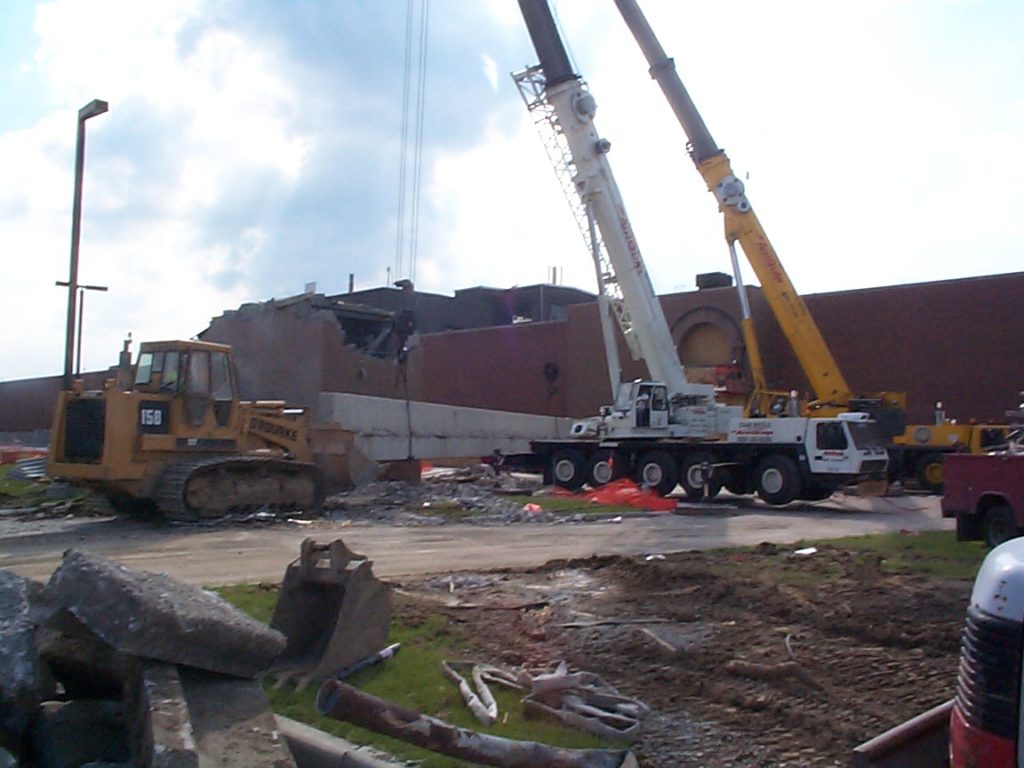
O'ROURKE building demolition removal of walls and non-structural elements

Why Choose O’ROURKE for Industrial Dismantling

Experience, safety, and integrated services set us apart. Since 1962, O’ROURKE Wrecking Company has completed thousands of industrial, commercial, and heavy civil projects nationwide. Our team manages every aspect of dismantling using in-house crews and a fleet of specialized equipment. We maintain a safety record among the best in the industry, driven by continuous training and strict compliance standards.

Clients come to us for our full-service approach. We provide demolition, hazardous materials abatement, environmental remediation, and high-recycling solutions. On average, our projects divert more than 95 percent of site materials from landfills, supporting both client sustainability goals and regulatory requirements. We also maintain strong relationships with local recycling partners, which speeds up the removal process and keeps costs manageable.

Our value-engineering mindset means clients receive efficient, cost-conscious solutions that protect project timelines. Whether the project is a chemical facility, an automotive plant, or a manufacturing hub, we have the experience and technical skills to deliver safe, timely results. We invite you to contact our team for a project assessment, review our case studies, or request a quote for your industrial dismantling needs.

Let’s Talk About Your Project

If you’re planning an industrial dismantling project, reach out to our team. We’ll review your needs, walk your site, and develop a safe, efficient plan to get your facility where it needs to go next.

Contact O’ROURKE today to schedule a consultation.