Mechanical demolition covers a wide range of project types. The method stays consistent, but the scope, equipment, and execution strategy shift depending on what the structure is, how it was built, and what the site requires after the work is done.
Structural Demolition
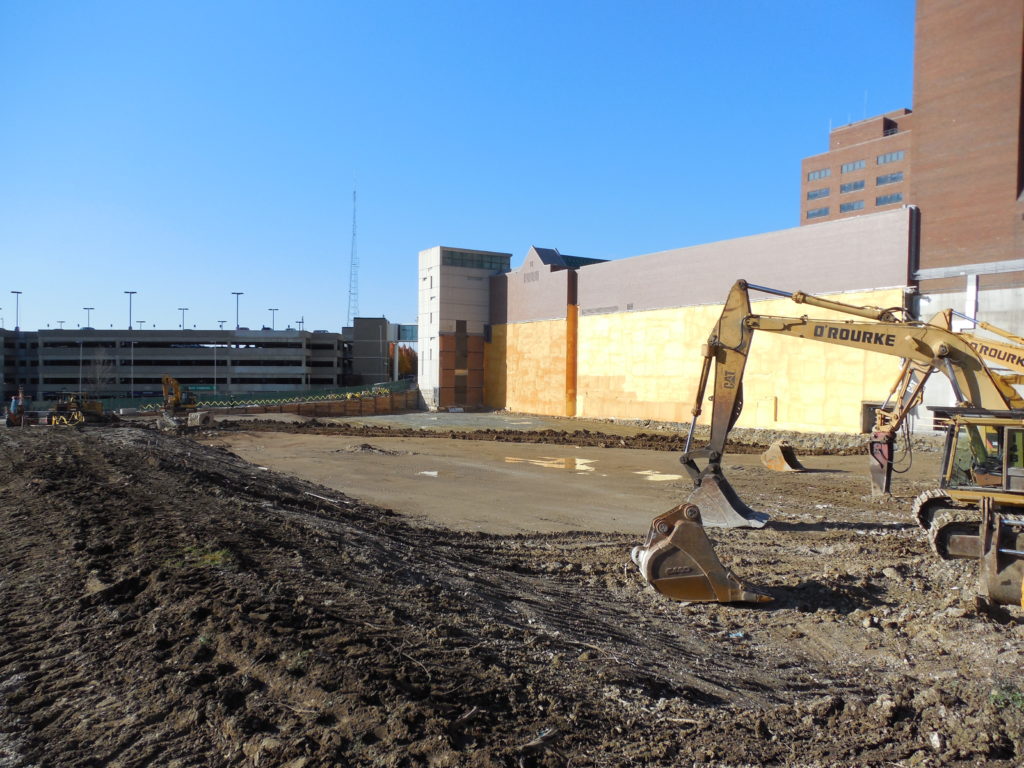
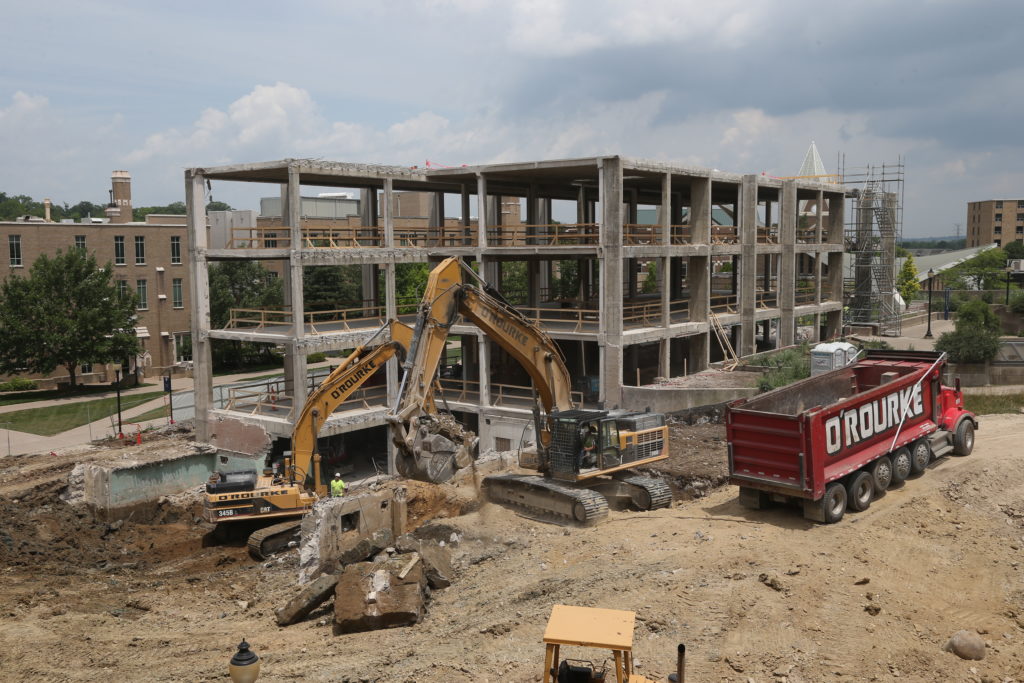
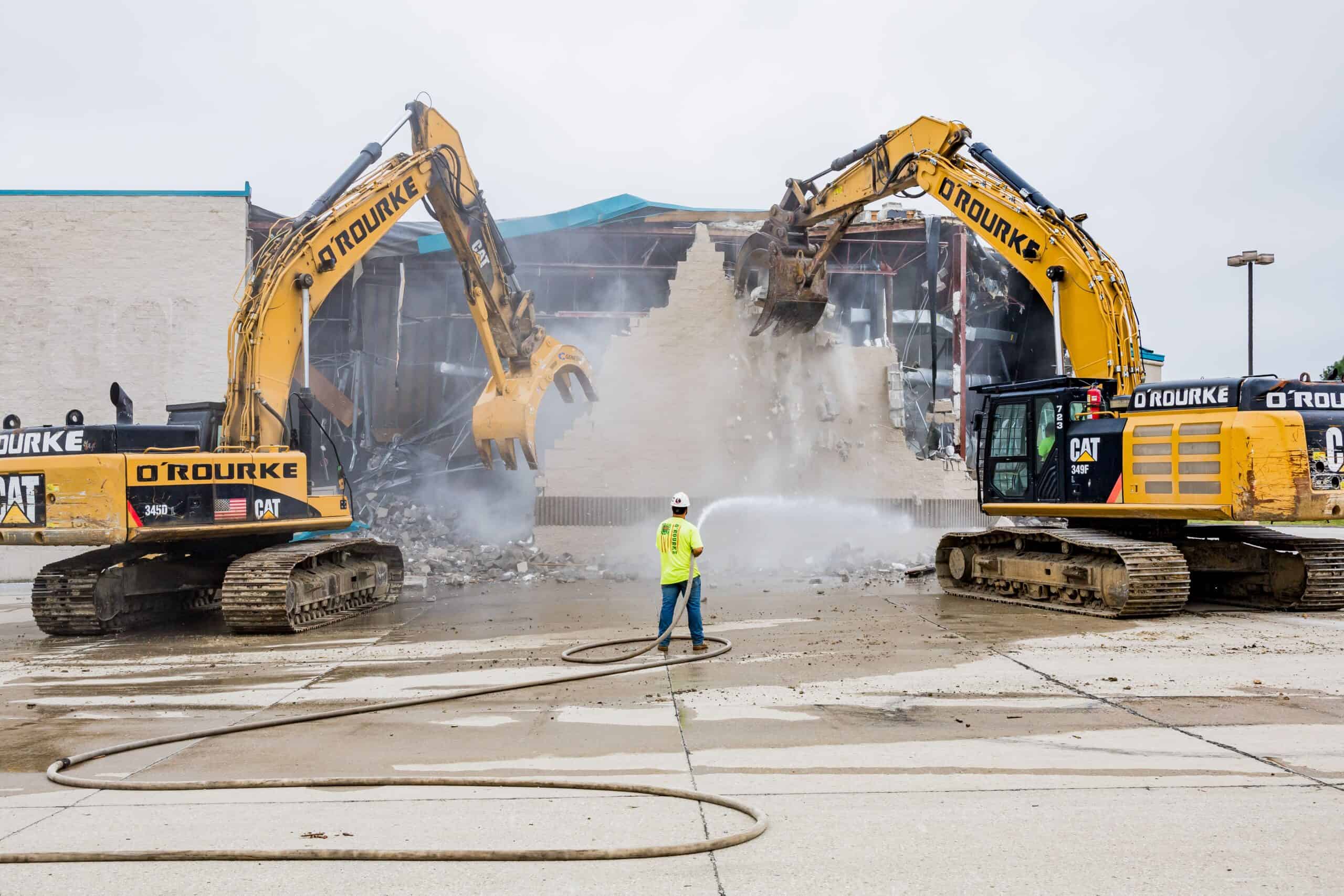
Structural demolition is full-building removal. The entire above-grade structure comes down, from the roof to the foundation, and everything in between. This is the work most people picture when they hear the word demolition.
We handle structural demolition for commercial and industrial buildings of all sizes. Office towers, manufacturing facilities, warehouses, retail centers, parking garages. The scale of the project determines the equipment mix, the phasing plan, and the site logistics, but the goal is always the same: complete, controlled removal with a clean site at the end.
Interior Demolition
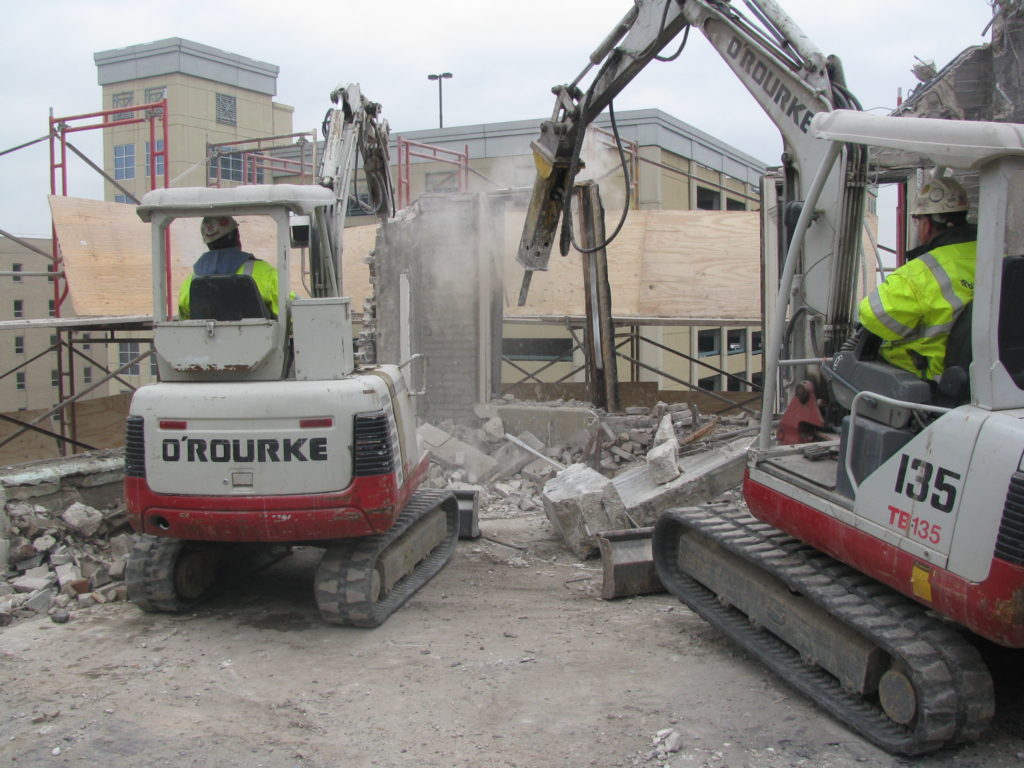
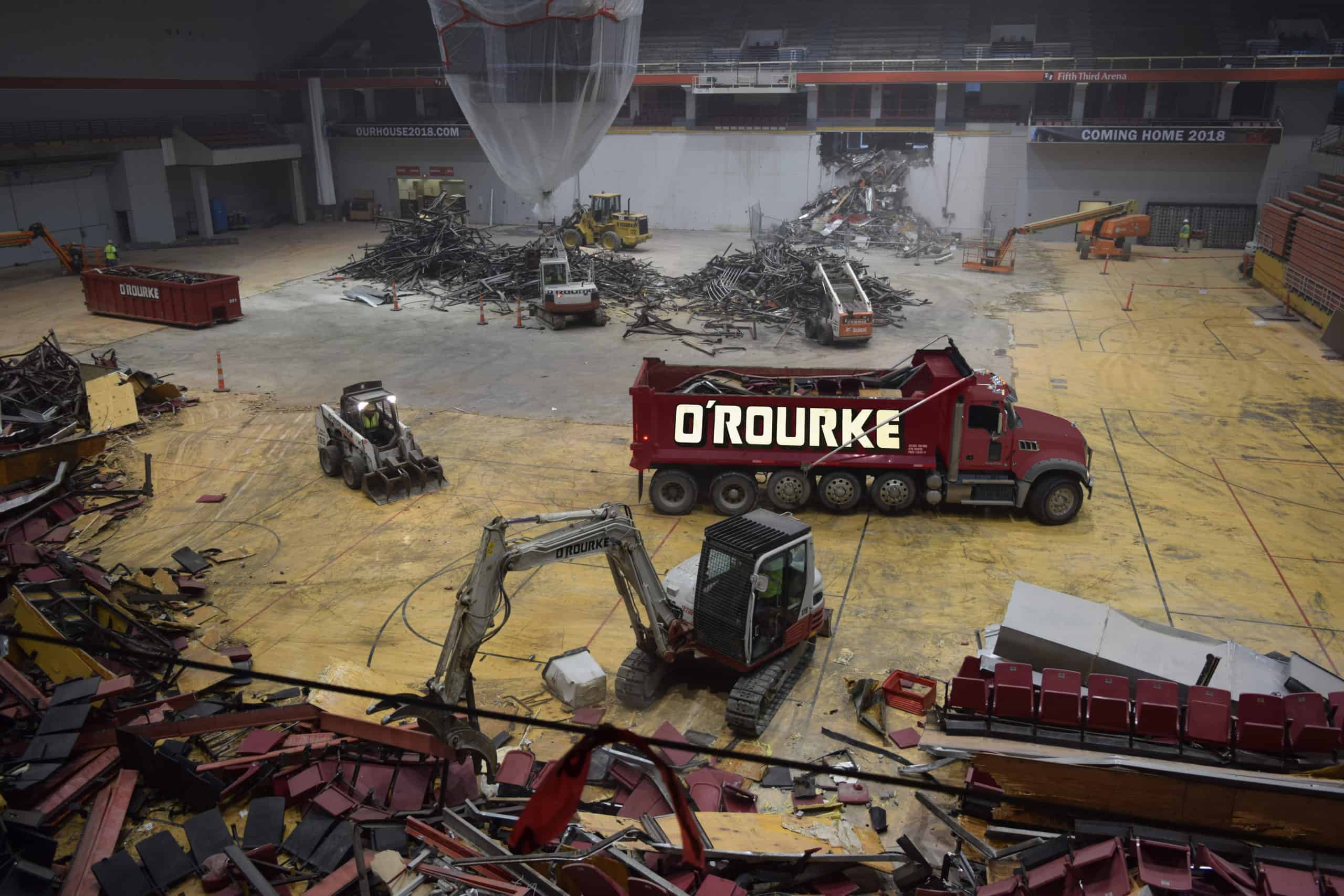
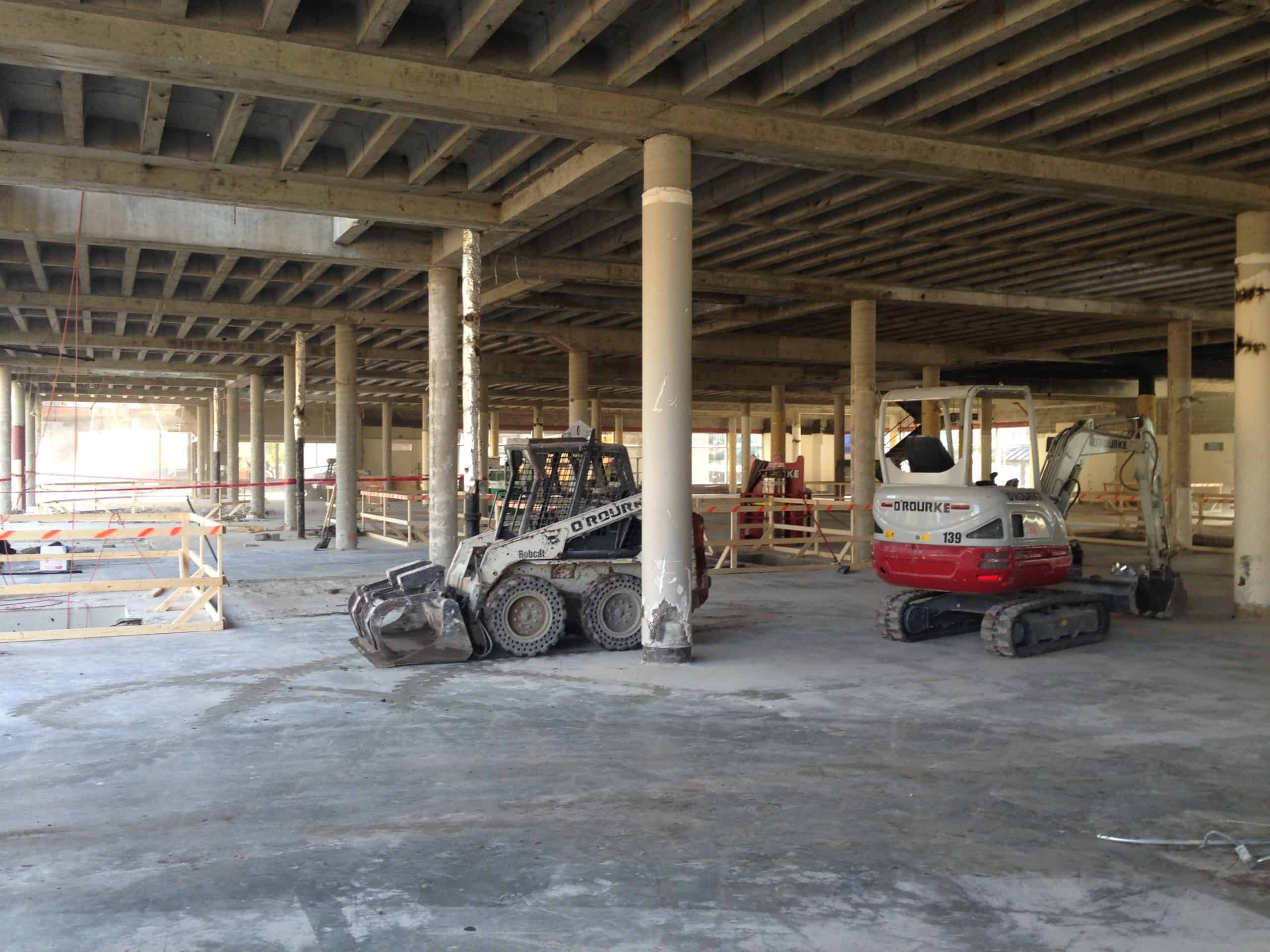
Interior demolition removes everything inside a building without touching the exterior shell or the structural frame. Walls, ceilings, flooring systems, mechanical and electrical systems, plumbing, and millwork are all removed.
This type of work shows up most often in gut renovations, tenant improvements, and adaptive reuse projects. A developer converting an old warehouse into loft apartments needs the interior stripped to bare structure. A hospital system repurposing a wing needs the existing layout completely removed before new construction can begin.
Dust control, debris management, and sequencing matter more in this environment than in an open-site structural teardown. We use compact equipment, controlled work zones, and careful coordination to get the interior cleared without disrupting the building’s structural integrity or, when applicable, ongoing operations in adjacent spaces.
Deconstruction and Dismantling
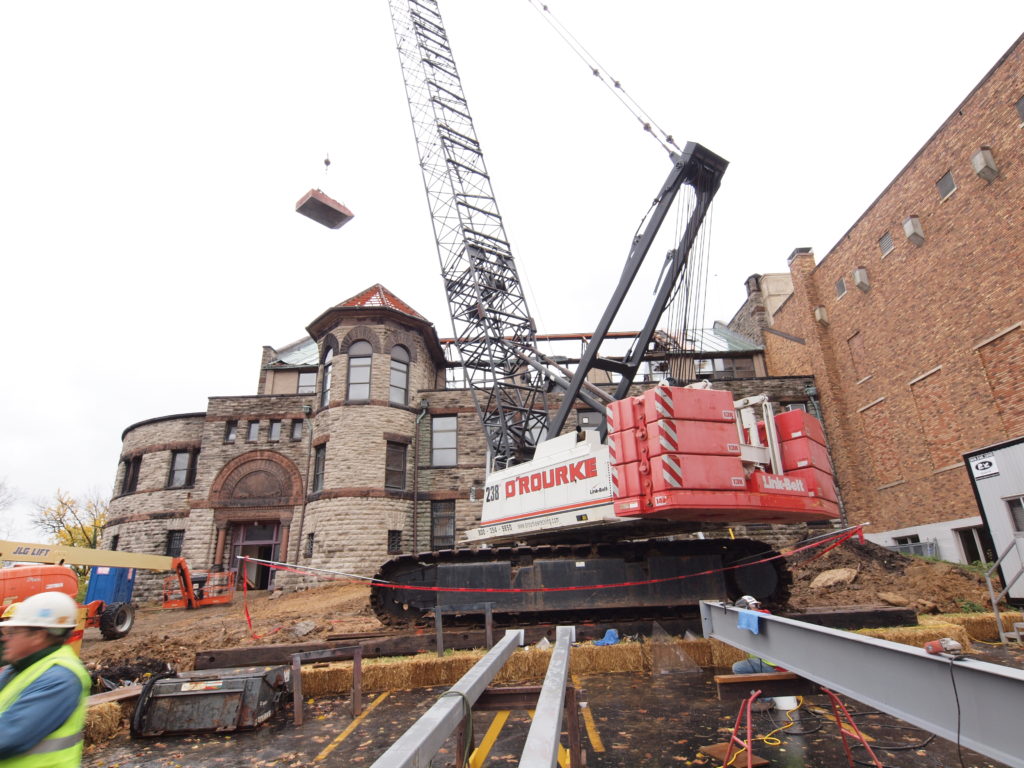
Deconstruction and dismantling take a more deliberate approach to taking a structure apart. Rather than bringing everything down at once, we work systematically to separate, recover, and preserve materials that have reuse or resale value.
Steel beams, copper systems, specialty equipment, architectural elements, timber framing. In the right building, these materials represent real value. A facility manager decommissioning an older industrial plant may be sitting on tons of recoverable steel. A property owner demolishing a historic commercial building may want specific architectural features salvaged before the rest comes down.
This method takes longer than standard mechanical demolition, and the labor intensity is higher. But when material recovery is a financial or sustainability priority, the return often justifies the pace. We work with clients upfront to identify what is worth recovering, what the recovery process looks like, and how it affects the overall project timeline and budget.
Plant Decommissioning
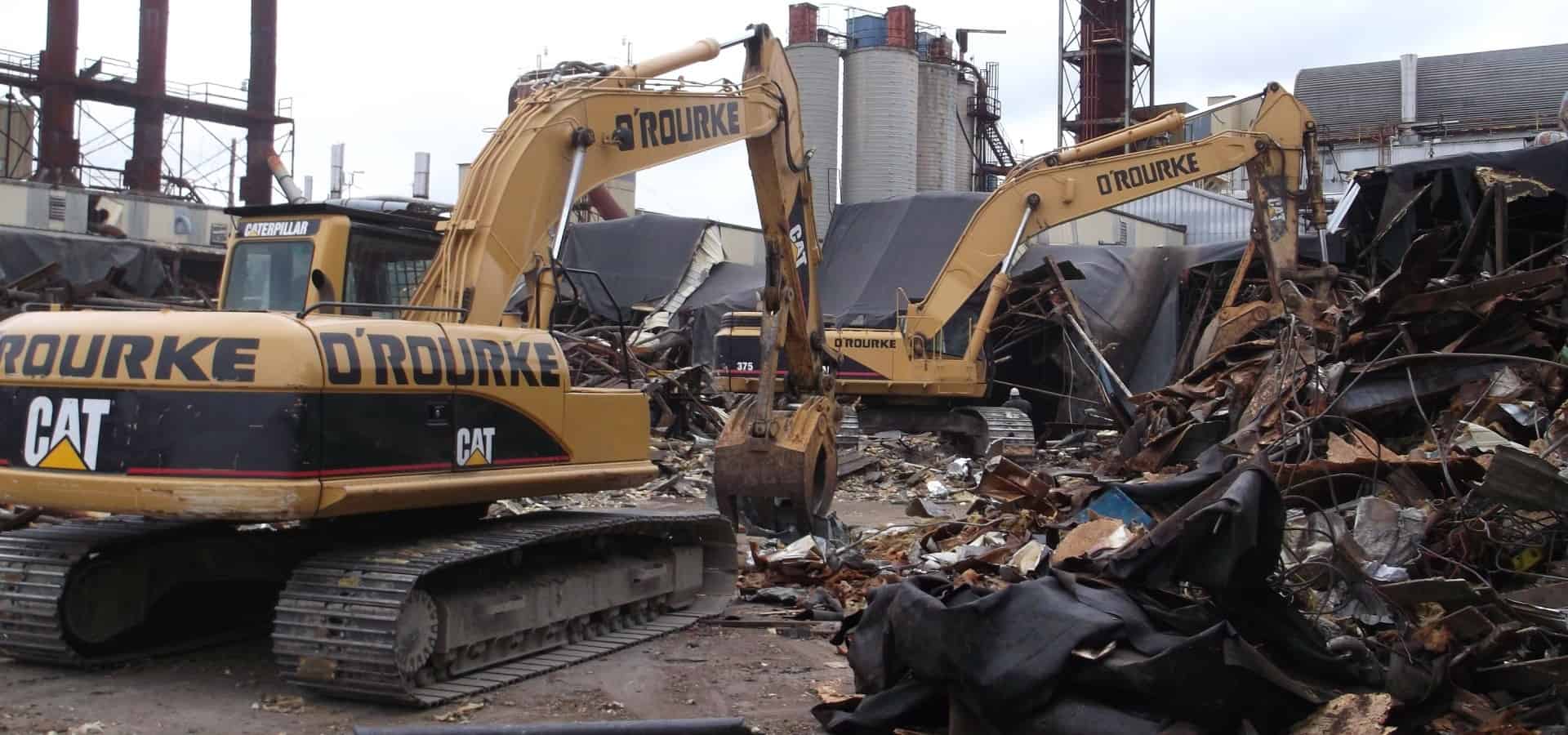
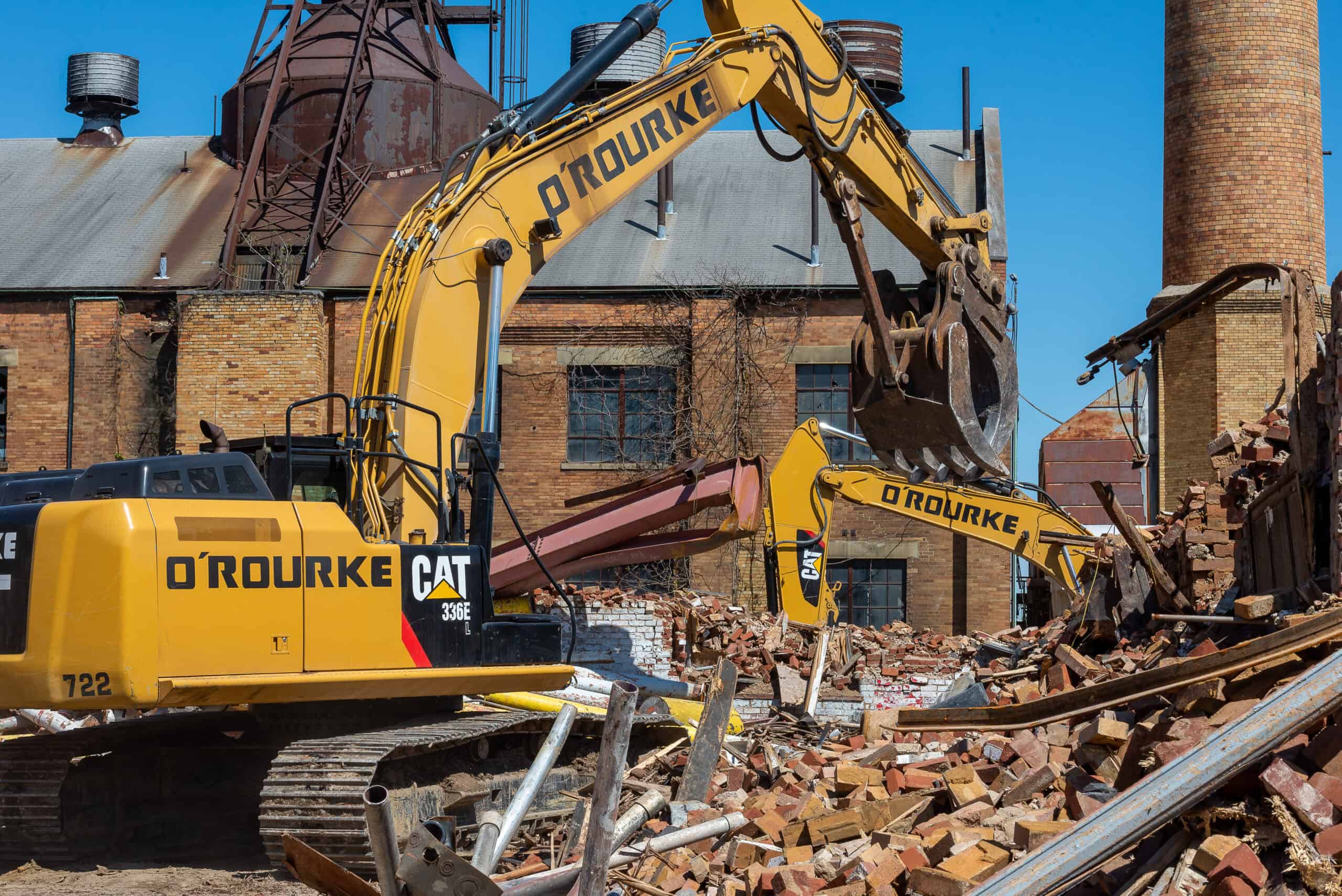
Decommissioning an industrial plant is a different animal from standard structural demolition. These facilities are built around complex systems. Process piping, pressure vessels, reactors, storage tanks, conveyor systems, electrical infrastructure, utility distribution networks. Before any structure comes down, all of that has to be safely isolated, drained, cleaned, and removed.
We have experience decommissioning power plants, manufacturing facilities, chemical processing plants, and other heavy industrial sites. The work requires close coordination between our demolition crews, environmental specialists, and mechanical teams. Hazardous materials are almost always part of the picture, whether that is asbestos insulation on piping, lead paint on structural steel, or residual chemicals in process equipment. We handle abatement and remediation in-house, which keeps the project moving without handing off to outside contractors at every phase. The end goal for plant decommissioning is a site that is cleared, clean, and ready for whatever comes next.