
Plant Relocation
Comments Off on Plant RelocationRelocating a manufacturing or industrial plant isn’t just about moving equipment from one place to another. It’s about preserving operational integrity, reducing downtime, and getting every piece reassembled and functional in a new environment. We’ve been moving industrial assets, entire facilities, and complex equipment systems for decades. Whether your operation is moving across town or across state lines, we manage the entire plant relocation process: planning, dismantling, hauling, reassembly, and environmental support.
Call O’ROURKE today to schedule a plant relocation consultation or request a bid.
What Is Plant Relocation?
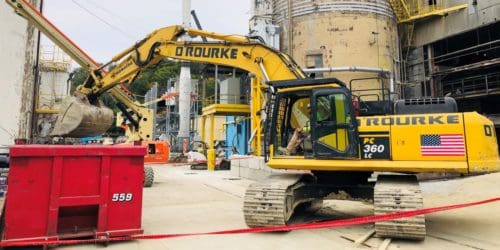
A plant relocation involves transferring a facility’s physical infrastructure to a new site. This may involve a complete relocation of the entire plant or a partial transfer of key operations. The complexity of a relocation depends on the size of the facility, the type of equipment, the operational schedule, and the regulatory environment.
Companies relocate for various reasons. Some need more space to scale. Others move closer to raw material sources, workforce hubs, or transportation lines. Mergers and acquisitions often require consolidating operations. Environmental pressures, tax incentives, and infrastructure improvements also drive decisions.
Regardless of the reason, the process presents challenges that require specialized knowledge and field-tested execution. That’s what we bring to the table.
O’ROURKE’s Turnkey Plant Relocation Services
We’ve handled plant moves across various industries, always with an eye toward keeping your operation safe, secure, and on time. Here’s how our team supports every phase:
Comprehensive Project Planning
We start with feasibility studies and cost estimates. This includes site visits, risk assessments, and stakeholder input to design a move that matches your operational requirements. Every step is documented, scheduled, and coordinated with your team.
Asset Inventory and Condition Assessment
Before a single bolt is turned, we catalog all assets, recording condition, maintenance needs, and specific handling instructions. This helps avoid confusion, protects your investments, and supports insurance documentation.
Selective Demolition and Decommissioning
Many plants include equipment or structures that must be dismantled or demolished before a move. Our crews handle disconnection, hazardous material removal, and site cleanup with precision.
Equipment Disassembly and Rigging
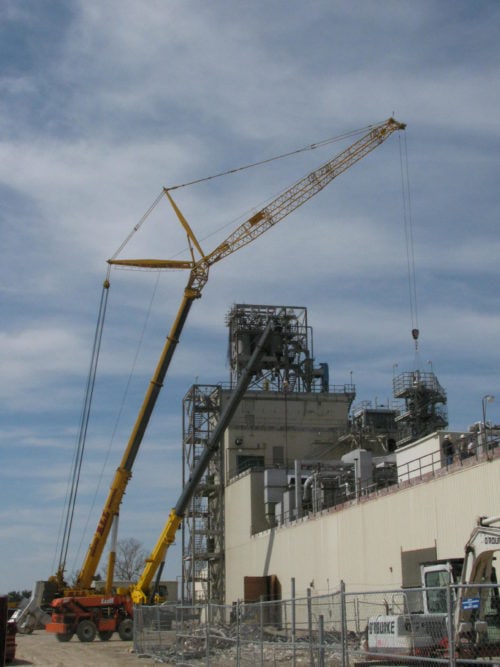
Heavy machinery, presses, process lines, and robotics are disassembled by our experienced technicians. We use purpose-built rigging, cranes, and protective packaging to safeguard assets.
Transportation and Logistics
Our team manages everything from route planning to load permitting. We select the right transport methods for each asset, coordinate real-time tracking, and solve logistical challenges before they impact your schedule.
Site Preparation at the New Location
A successful move requires the destination to be ready. We handle grading, foundation work, and any utility upgrades. This enables reinstallation to begin the moment assets arrive.
Equipment Reassembly, Alignment, and Calibration
Machines are rebuilt, aligned, and calibrated by specialists. Our process restores production lines to full functionality and supports any required testing or inspections.
Waste Management and Site Restoration
Once your facility is operational, we provide debris removal, recycling, and environmental remediation to leave both sites in good standing.
Unique Capabilities
We manage large-scale moves, hazardous material handling, and heavy lifts with our own crews and equipment. Our certifications include safety training, environmental compliance, and specialized logistics.
Key Challenges in Industrial Plant Relocation
Relocating a plant can disrupt operations, impact delivery schedules, and increase risk if not properly managed. Each step must be coordinated with precision.
- Downtime pressure – Production stops cost money. Whether your timeline is tight or flexible, we build schedules that keep critical systems online as long as possible. In phased relocations, we coordinate around your operating hours to maintain throughput.
- Heavy equipment dismantling – Large machines aren’t plug-and-play. They need careful disconnection, labeling, protection, and transport. Some require cranes or custom rigging. We’ve moved everything from press lines and stamping machines to material handling systems and kilns.
- Safety and compliance – We work within OSHA standards and your internal protocols. We also manage compliance with EPA, DOT, and state agencies during the dismantling, hauling, and environmental handling phases.
- Environmental cleanup – If your site includes hazardous materials, underground storage tanks (USTs), or suspect building materials (asbestos, lead-based coatings), our teams handle remediation and abatement before handoff.
- New site permitting – If your relocation involves changes in footprint, emissions, or utility load, we help coordinate with local authorities on zoning and permitting.
You need every element of the move to work in sync. That’s why we handle the project holistically.
Step-by-Step: The Plant Relocation Process
We approach each relocation as a custom project. But every successful move shares a few core stages.
1. Planning and Pre-Relocation Assessment
We begin with a site walk, asset review, and logistical assessment. Our team documents every piece of equipment, including its connections, support systems, condition, and transport requirements.
We evaluate:
- Equipment size, weight, and disassembly points
- Power and utility infrastructure
- Structural supports and access points
- Hazmat concerns (fluids, refrigerants, dust, etc.)
- Truck access and rigging logistics
From there, we develop a relocation roadmap. That includes the schedule, labor resources, specialized equipment needs, and staging areas. We’ll also coordinate with your team leads to make sure we’re aligned with production goals and safety standards.
2. Equipment Dismantling and Decommissioning
Once plans are approved, we begin the decommissioning process. Every bolt, cable, and bracket is removed with the intention of rebuilding. We label each component clearly and pack everything for reassembly at the new site. For certain equipment, we design and build custom crates or protective structures to prevent damage during transportation.
Electrical systems, pressurized lines, gas piping, compressed air units, and conveyors all require careful isolation and de-energization. Our crews shut them down in sequence and handle drainage or purge operations where necessary.
If any systems need to be permanently decommissioned (rather than relocated), we manage this process according to local codes and disposal regulations.
3. Transportation and Heavy Hauling
Next comes the physical move. O’ROURKE coordinates all transportation, including:
- Heavy haul permits
- Escort vehicles (if needed)
- Load securement
- Route clearance and traffic planning
We use rigging equipment, flatbeds, stretch trailers, and cranes suited to each asset. Larger items may require oversize load handling or night-time transport windows. Everything is logged, tagged, and tracked.
We also separate loads for delivery by priority, so systems arrive in the correct order for reassembly.
4. Reassembly and Installation at the New Site
Once everything is on-site, we reverse the process. Equipment is unloaded, positioned, and aligned according to layout specs. We coordinate with your facilities team or external contractors for utility reconnections, anchoring, and calibration.
We also:
- Conduct torque checks and alignment verification
- Provide utility stub-ups or conduit extensions
- Set up temporary power for commissioning tests
- Coordinate startup with your OEM or operations leads
Every detail is tracked to make sure your equipment functions as expected. Once installed, we verify that safety systems and control panels are operational before turning it over.
5. Environmental and Regulatory Compliance
Throughout the move, we handle the compliance requirements that come with industrial relocations.
At the old site, that may involve:
- Hazardous waste characterization and disposal
- Asbestos or lead paint abatement
- Floor or soil sampling (post equipment removal)
- UST identification and removal
- Air or water discharge permitting closeout
At the new site, we help address:
- Local zoning permits
- Utility permits and inspections
- Equipment emission ratings
- Safety signage and traffic planning
- Stormwater and dust control (during unloading and reassembly)
All documentation is shared with your compliance team and retained in case of future audits.

Why Experience Matters in Plant Relocation
Plant relocation isn’t the place for improvisation. Mistakes can cost money, delay operations, or put workers at risk. Our team has managed relocations for manufacturing plants, refineries, power generation sites, and research facilities. We have the credentials and experience to back up our promises.
A national beverage producer recently chose O’ROURKE for a facility move. They wanted a partner with deep experience in both demolition and heavy equipment handling. By planning the project in phases and coordinating with the client’s engineering team, we minimized downtime and delivered the new site ready for production ahead of schedule.
Clients trust us because we’re transparent about what’s possible and what’s not. We give honest estimates, clear timelines, and a full accounting of costs. Our certifications cover rigging, hazardous materials handling, and demolition, and we’re fully insured for complex projects.
Why Choose O’ROURKE for Your Plant Relocation?
We bring decades of experience, technical know-how, and a dedicated safety culture to every plant relocation project. Our in-house crews manage every phase, and we coordinate closely with your team to ensure a predictable, efficient move.
Clients trust us for:
- Transparent planning and budgeting
- Industry certifications and safety focus
- Proven logistics and equipment handling
- Complete documentation and support after the move
If you’re planning a plant relocation or exploring your options, contact us for a consultation. Our team is ready to help you protect your investment, maintain productivity, and complete your move on schedule.
Contact O’ROURKE for Plant Relocation Services
Moving an industrial facility is a high-stakes project that calls for expert management. At O’ROURKE, we bring the planning, safety, and technical skills needed to relocate plants of any size. Whether you need a full facility move, selective demolition, or environmental remediation, our team delivers solutions that help your business move forward.
If you’re planning a relocation, or just exploring your options, reach out to us for a consultation. We’ll schedule a site visit, walk you through our process, and answer any questions you have. Let’s make your plant relocation a success, contact us today to get started.
Environmental Engineering Services
Comments Off on Environmental Engineering ServicesEnvironmental liabilities don’t wait. Whether you’re preparing a site for redevelopment, responding to an emergency, or coordinating a demolition project, you need a partner who can manage contamination, navigate regulations, and move the job forward. That’s where environmental engineering services come in.
At O’ROURKE, we’ve provided integrated demolition and environmental solutions for over 60 years. Our team helps property owners, developers, general contractors, and government agencies handle hazardous materials and complex site conditions with confidence. We engineer every project with safety, compliance, and long-term value in mind. We bring field-tested experience to industrial, municipal, and private-sector projects that require hazardous material handling, remediation design, and full-spectrum environmental compliance. From site evaluations to full-scale remediation, we manage risk early so demolition and construction don’t stall later.
What Environmental Engineering Services Include
Environmental engineering covers a wide range of project-critical responsibilities. These aren’t optional extras—they’re foundational steps for safe, legal, and efficient development. Here’s what we focus on:
Site Assessments and Environmental Planning
Before any physical work starts, we conduct Phase I and Phase II Environmental Site Assessments (ESAs) to uncover site history, evaluate contaminant risks, and determine next steps. Our teams collect soil samples, run groundwater tests, and review site history records for past spills or structural issues. This work might include using GIS mapping tools to visualize the spread of contaminants or identify sensitive areas that need special attention.
During field inspections, we document materials in buildings and on the property. If we find evidence of asbestos, lead-based paint, or chemical residues, we log locations and volumes. We use this information to build project plans that sequence demolition, remediation, and abatement activities to minimize risks. Early planning also helps clients avoid unexpected costs or delays later on.
Regulatory Compliance and Permitting Support
Environmental engineering always means working within strict regulations. Our project managers handle everything from federal EPA requirements to local agency permits. Each region sets rules for air, water, and waste. We help clients navigate those layers of compliance, preparing documentation and keeping records that stand up to agency scrutiny.
When a job requires public notification, such as for asbestos removal or major dust-generating work, we prepare the necessary filings and communicate with stakeholders. Our familiarity with permitting processes means we can often shorten approval timelines and reduce the risk of compliance issues causing schedule overruns.
Salvage and Materials Recovery
Not every part of a structure needs to end up in a landfill. We survey buildings to identify steel, copper, concrete, and even architectural features that can be recovered. Salvage reduces the volume of waste, lowers disposal costs, and supports sustainable redevelopment. For LEED-certified projects, we track recovery rates and provide detailed reporting to support client certifications.
Material recovery also appeals to clients pursuing ESG (Environmental, Social, and Governance) objectives. By prioritizing reuse and recycling, we help clients meet internal sustainability benchmarks and demonstrate commitment to responsible development.
Waste Handling and Disposal Plans
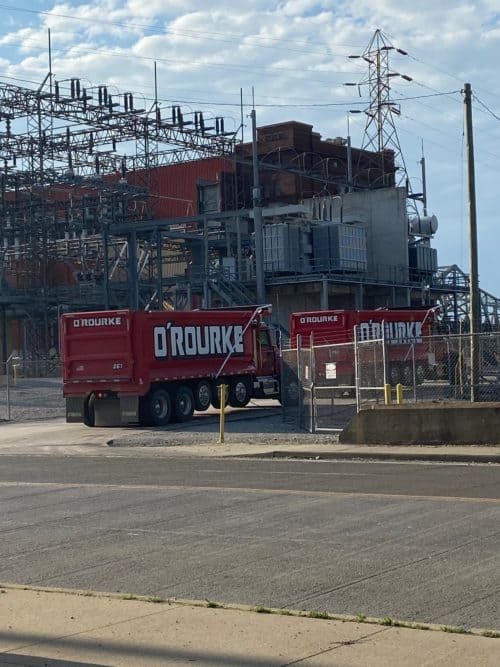
Waste streams on demolition projects can include everything from concrete rubble to hazardous debris. We segregate materials at the source, using color-coded bins and onsite processing stations. Hazardous materials are clearly labeled and handled according to DOT and EPA rules. All materials leaving the site are tracked with manifests, and we work only with licensed disposal and recycling partners. Our teams document the full journey of each waste stream, so clients receive transparent reporting for compliance and project records. If a client faces a regulatory audit, our records help ensure a smooth review.
Environmental Remediation and Hazard Mitigation
Many industrial or commercial sites hold a legacy of hazardous materials. These can include everything from asbestos and PCBs to petroleum byproducts and solvents. Our environmental engineering team specializes in identifying, removing, and safely disposing of these risks, setting the stage for safe demolition and future land use.
Hazardous Material Identification and Abatement
A typical project might involve asbestos-containing materials (ACM) in insulation or flooring, lead-based paint (LBP) on structural steel, or polychlorinated biphenyls (PCBs) in electrical systems. We use certified inspectors and field-tested sampling kits to identify these hazards before demolition starts. Once identified, our abatement crews isolate work zones with barriers, negative air machines, and decontamination chambers. Materials are removed using controlled methods to prevent spread, then packaged and shipped to licensed facilities.
For clients, this means hazardous material abatement is fully integrated into the demolition sequence. We keep projects moving and ensure no cross-contamination between hazardous and non-hazardous debris streams.
Soil and Groundwater Remediation
Soil and groundwater contamination are common on older industrial sites. Our remediation teams offer a variety of solutions depending on the contamination profile and project goals. Excavation might remove affected soil for offsite treatment. Sometimes, stabilization techniques are used to lock contaminants in place. On larger or more complex sites, we might deploy pump-and-treat systems for groundwater or vapor mitigation measures to prevent off-gassing of volatile compounds.
Environmental Monitoring and Controls
Environmental conditions can shift quickly during demolition and remediation, so ongoing monitoring is critical. Our teams install air monitors around project perimeters to measure dust, particulates, and volatile organic compounds (VOCs). Water quality is tracked through regular sampling of runoff and site drainage points. Where needed, we use erosion controls, silt fencing, and water treatment units to keep contaminants from leaving the site.
Noise and vibration are also monitored and we use real-time data feeds to spot trends and take corrective action before issues arise. This active monitoring helps us demonstrate compliance, manage public concerns, and keep projects running smoothly.
Engineering Support for Complex Industrial Projects
Environmental engineering gets more complex as project size, risk, and operational challenges increase. O’ROURKE’s experience in large-scale and specialized sites sets us apart.
Environmental Risk Mitigation for Plant Decommissioning
Decommissioning a power plant or chemical facility introduces unique hazards. Old equipment may contain legacy chemicals, pressurized systems, or unknown materials inside piping. Our engineers use site-specific risk assessments and historical plant drawings to plan safe system shutdowns and removals.
Special care is given to process vessels and storage tanks. We often use remote cameras and non-invasive testing to verify contents before opening. This level of planning helps prevent surprises, protect workers, and avoid accidental releases that could impact neighbors or the environment.
Environmental Controls for Heavy Demolition
Heavy demolition can generate dust, noise, and stormwater runoff, all of which require engineered controls. We deploy water mist cannons and localized sprays to contain dust at the source. Site drainage is managed using temporary berms and catch basins. For projects near waterways or wetlands, we install sediment traps and water treatment units to prevent offsite impacts.
Sensitive sites, such as hospitals or high-traffic urban corridors, require additional controls. Noise barriers, real-time vibration monitors, and scheduled work hours help us reduce disruption. We tailor our approach to match the needs of each location and the expectations of the surrounding community.
Brownfield and Redevelopment Project Support
Many of our projects involve brownfield sites and properties with contamination that complicates redevelopment. Our engineering team develops strategies that allow for land reuse while managing or removing environmental risks. This may include capping contaminated areas, removing source material, and installing long-term monitoring systems.
Integration of demolition, remediation, and redevelopment means clients move from contaminated land to construction-ready parcels without managing multiple contractors. Our single-team approach saves time and reduces the risk of miscommunication.

Why Environmental Engineering Matters in Demolition and Construction
Poor planning at the start creates expensive problems later. Environmental engineering minimizes that risk.
Protecting Worker Safety and Public Health
Demolition projects often expose unknown hazards (contaminated dust, buried drums, unstable asbestos-containing materials). Our engineers develop health and safety plans (HASPs), design engineering controls, and conduct on-site monitoring to reduce exposure risks for crews and the public.
Reducing Project Delays Through Proactive Planning
Early site assessments and regulatory coordination help prevent mid-project shutdowns. We work closely with project managers, general contractors, and municipal agencies to align timelines with permitting and remediation workflows. When delays do occur, we troubleshoot fast. Our field teams are used to adapting in live environments with multiple stakeholders and changing site conditions.
Supporting Sustainable and Responsible Redevelopment
Environmental engineering isn’t just about cleanup. It’s about making the land usable again. We support brownfield redevelopment, urban infill projects, and industrial-to-residential conversions by ensuring contaminated properties are made safe for new use. That includes documentation for liability protection, public transparency, and post-project reuse.
O’ROURKE’s Approach to Environmental Engineering
Our environmental engineering work is fully integrated with our demolition and construction services. That means fewer handoffs, better communication, and field plans that actually match site conditions. Our experience spans hundreds of projects, from straightforward commercial teardowns to high-profile industrial decommissioning. We maintain in-house teams of environmental engineers, remediation specialists, and field technicians, all trained to meet project-specific needs.
We work closely with owners, general contractors, and regulators at every phase. When unexpected conditions arise, we provide solutions backed by real data and years of expertise. We’ve helped clients meet aggressive redevelopment schedules, secure agency approvals, and turn challenging sites into assets for their communities. Our approach keeps projects safe, compliant, and on track.
Experience with High-Risk and Specialized Sites
We’ve completed environmental engineering work in some of the most challenging environments in the country:
- Aging power plants with legacy contaminants
- Abandoned chemical processing facilities
- Decommissioned wastewater treatment plants
- Active industrial facilities requiring phased demolition
- Urban infill sites surrounded by occupied structures
These projects demand detailed planning, constant monitoring, and real-time adjustments. That’s where our team thrives.
Get Environmental Engineering Support
We help owners, developers, and contractors move forward with confidence. If your project involves contamination, regulatory complexity, or long-term reuse planning, let’s talk. Our environmental engineers are ready to support every phase of the job—from initial assessment to final closeout.