
Environmental liabilities don’t wait. Whether you’re preparing a site for redevelopment, responding to an emergency, or coordinating a demolition project, you need a partner who can manage contamination, navigate regulations, and move the job forward. That’s where environmental engineering services come in.
At O’ROURKE, we’ve provided integrated demolition and environmental solutions for over 60 years. Our team helps property owners, developers, general contractors, and government agencies handle hazardous materials and complex site conditions with confidence. We engineer every project with safety, compliance, and long-term value in mind. We bring field-tested experience to industrial, municipal, and private-sector projects that require hazardous material handling, remediation design, and full-spectrum environmental compliance. From site evaluations to full-scale remediation, we manage risk early so demolition and construction don’t stall later.
What Environmental Engineering Services Include
Environmental engineering covers a wide range of project-critical responsibilities. These aren’t optional extras—they’re foundational steps for safe, legal, and efficient development. Here’s what we focus on:
Site Assessments and Environmental Planning
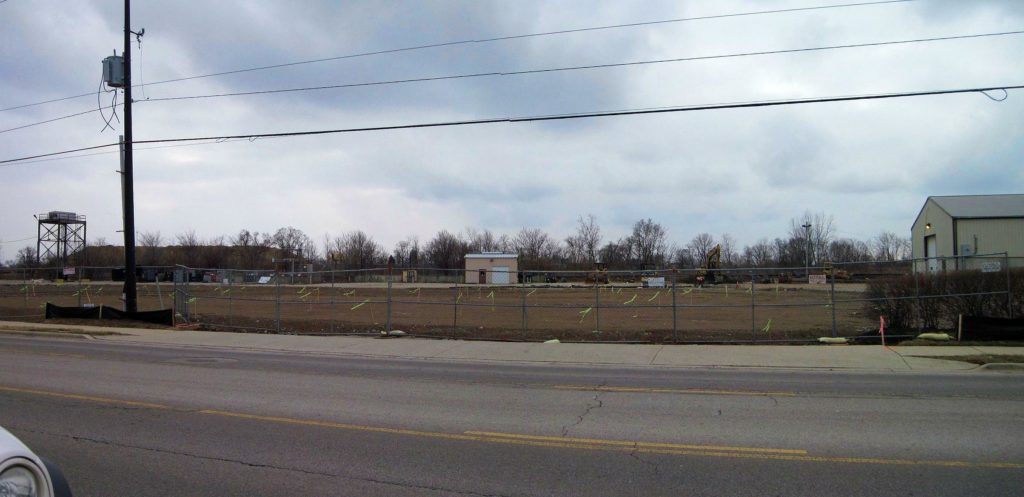
Before any physical work starts, we conduct Phase I and Phase II Environmental Site Assessments (ESAs) to uncover site history, evaluate contaminant risks, and determine next steps. Our teams collect soil samples, run groundwater tests, and review site history records for past spills or structural issues. This work might include using GIS mapping tools to visualize the spread of contaminants or identify sensitive areas that need special attention.
During field inspections, we document materials in buildings and on the property. If we find evidence of asbestos, lead-based paint, or chemical residues, we log locations and volumes. We use this information to build project plans that sequence demolition, remediation, and abatement activities to minimize risks. Early planning also helps clients avoid unexpected costs or delays later on.
Regulatory Compliance and Permitting Support
Environmental engineering always means working within strict regulations. Our project managers handle everything from federal EPA requirements to local agency permits. Each region sets rules for air, water, and waste. We help clients navigate those layers of compliance, preparing documentation and keeping records that stand up to agency scrutiny.
When a job requires public notification, such as for asbestos removal or major dust-generating work, we prepare the necessary filings and communicate with stakeholders. Our familiarity with permitting processes means we can often shorten approval timelines and reduce the risk of compliance issues causing schedule overruns.
Salvage and Materials Recovery
Not every part of a structure needs to end up in a landfill. We survey buildings to identify steel, copper, concrete, and even architectural features that can be recovered. Salvage reduces the volume of waste, lowers disposal costs, and supports sustainable redevelopment. For LEED-certified projects, we track recovery rates and provide detailed reporting to support client certifications.
Material recovery also appeals to clients pursuing ESG (Environmental, Social, and Governance) objectives. By prioritizing reuse and recycling, we help clients meet internal sustainability benchmarks and demonstrate commitment to responsible development.
Waste Handling and Disposal Plans
Waste streams on demolition projects can include everything from concrete rubble to hazardous debris. We segregate materials at the source, using color-coded bins and onsite processing stations. Hazardous materials are clearly labeled and handled according to DOT and EPA rules. All materials leaving the site are tracked with manifests, and we work only with licensed disposal and recycling partners. Our teams document the full journey of each waste stream, so clients receive transparent reporting for compliance and project records. If a client faces a regulatory audit, our records help ensure a smooth review.
Environmental Remediation and Hazard Mitigation
Many industrial or commercial sites hold a legacy of hazardous materials. These can include everything from asbestos and PCBs to petroleum byproducts and solvents. Our environmental engineering team specializes in identifying, removing, and safely disposing of these risks, setting the stage for safe demolition and future land use.
Hazardous Material Identification and Abatement
A typical project might involve asbestos-containing materials (ACM) in insulation or flooring, lead-based paint (LBP) on structural steel, or polychlorinated biphenyls (PCBs) in electrical systems. We use certified inspectors and field-tested sampling kits to identify these hazards before demolition starts. Once identified, our abatement crews isolate work zones with barriers, negative air machines, and decontamination chambers. Materials are removed using controlled methods to prevent spread, then packaged and shipped to licensed facilities.
For clients, this means hazardous material abatement is fully integrated into the demolition sequence. We keep projects moving and ensure no cross-contamination between hazardous and non-hazardous debris streams.
Soil and Groundwater Remediation
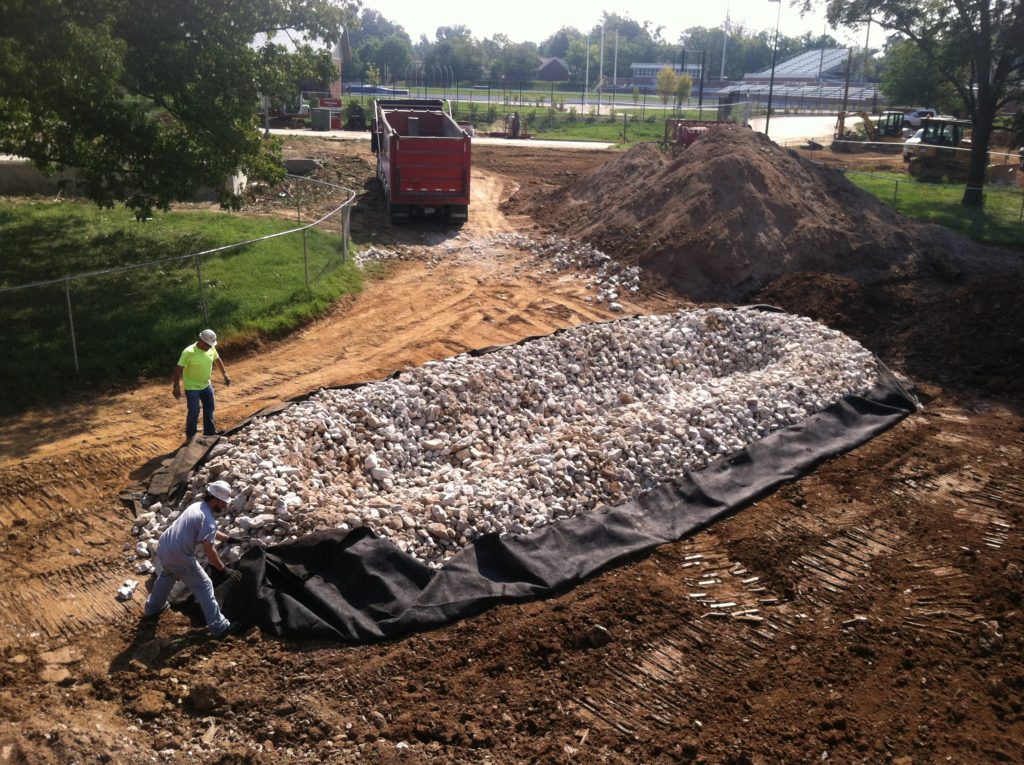
Soil and groundwater contamination are common on older industrial sites. Our remediation teams offer a variety of solutions depending on the contamination profile and project goals. Excavation might remove affected soil for offsite treatment. Sometimes, stabilization techniques are used to lock contaminants in place. On larger or more complex sites, we might deploy pump-and-treat systems for groundwater or vapor mitigation measures to prevent off-gassing of volatile compounds.
Environmental Monitoring and Controls
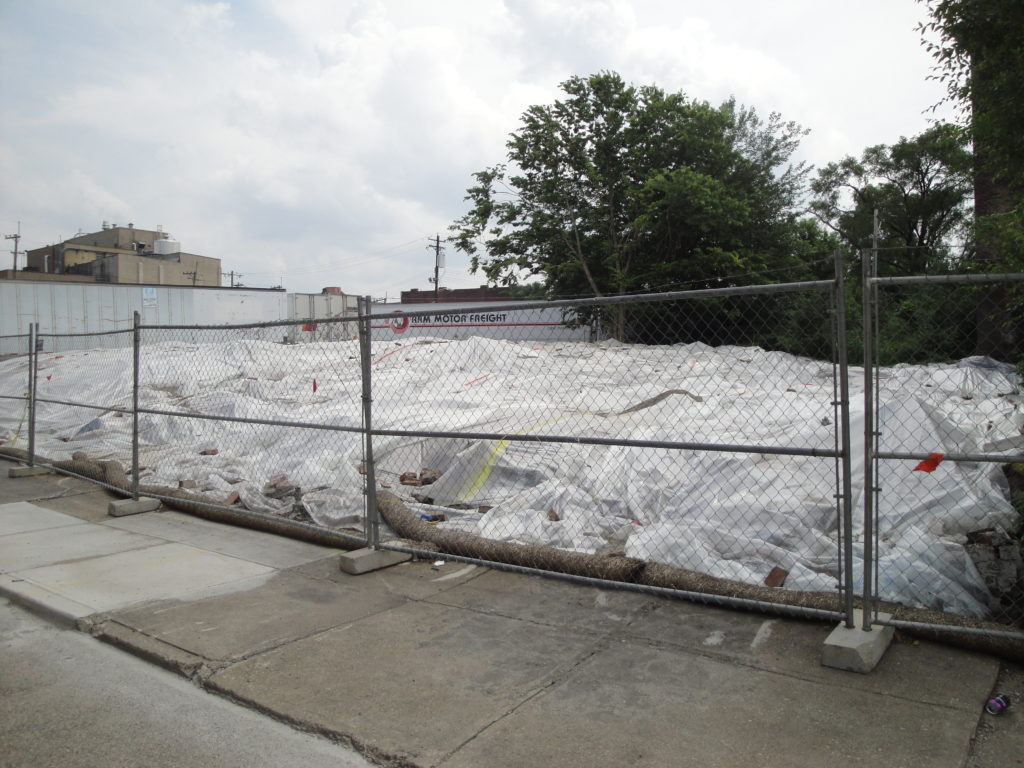
Environmental conditions can shift quickly during demolition and remediation, so ongoing monitoring is critical. Our teams install air monitors around project perimeters to measure dust, particulates, and volatile organic compounds (VOCs). Water quality is tracked through regular sampling of runoff and site drainage points. Where needed, we use erosion controls, silt fencing, and water treatment units to keep contaminants from leaving the site.
Noise and vibration are also monitored and we use real-time data feeds to spot trends and take corrective action before issues arise. This active monitoring helps us demonstrate compliance, manage public concerns, and keep projects running smoothly.
Engineering Support for Complex Industrial Projects
Environmental engineering gets more complex as project size, risk, and operational challenges increase. O’ROURKE’s experience in large-scale and specialized sites sets us apart.
Environmental Risk Mitigation for Plant Decommissioning
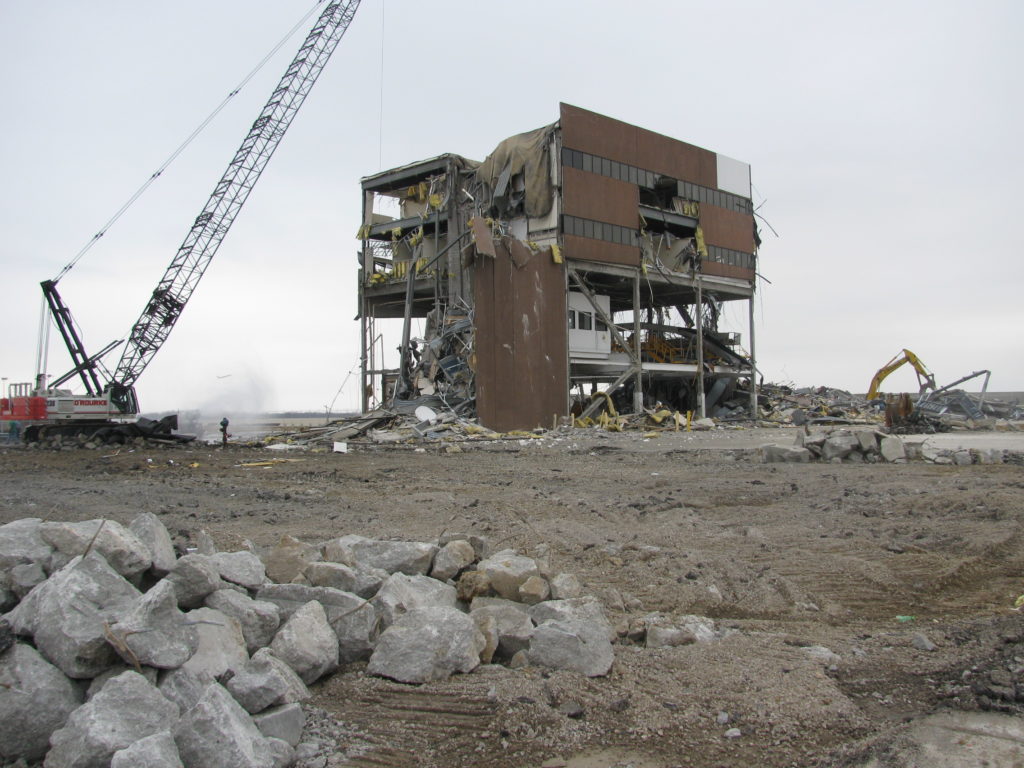
Decommissioning a power plant or chemical facility introduces unique hazards. Old equipment may contain legacy chemicals, pressurized systems, or unknown materials inside piping. Our engineers use site-specific risk assessments and historical plant drawings to plan safe system shutdowns and removals.
Special care is given to process vessels and storage tanks. We often use remote cameras and non-invasive testing to verify contents before opening. This level of planning helps prevent surprises, protect workers, and avoid accidental releases that could impact neighbors or the environment.
Environmental Controls for Heavy Demolition
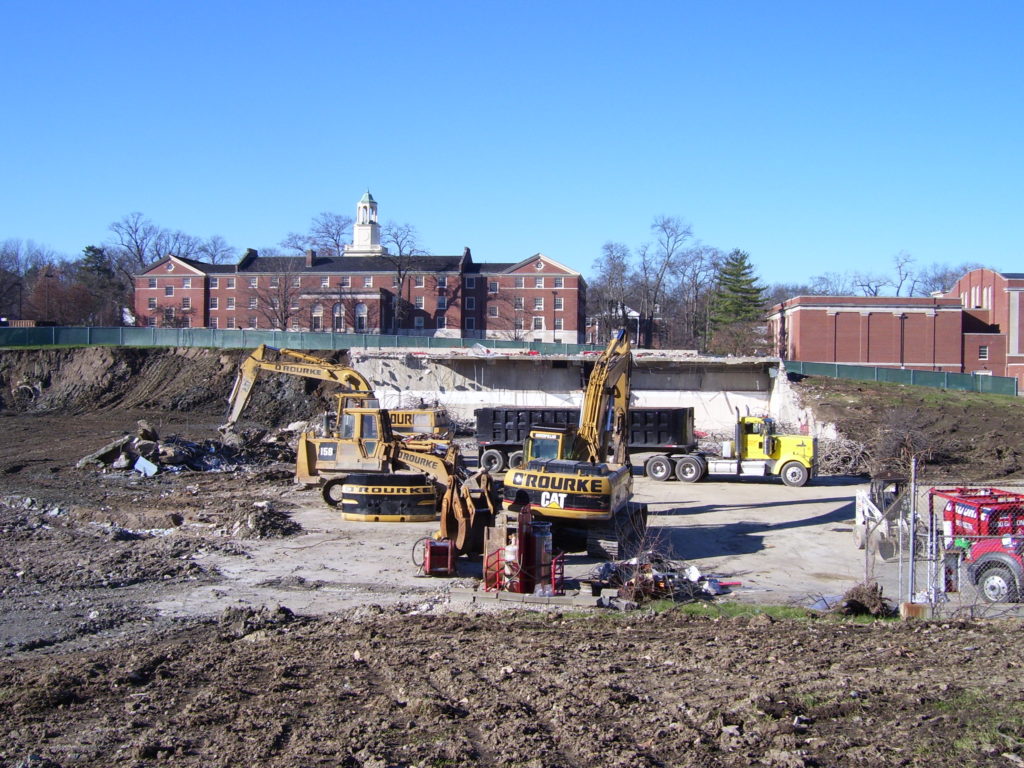
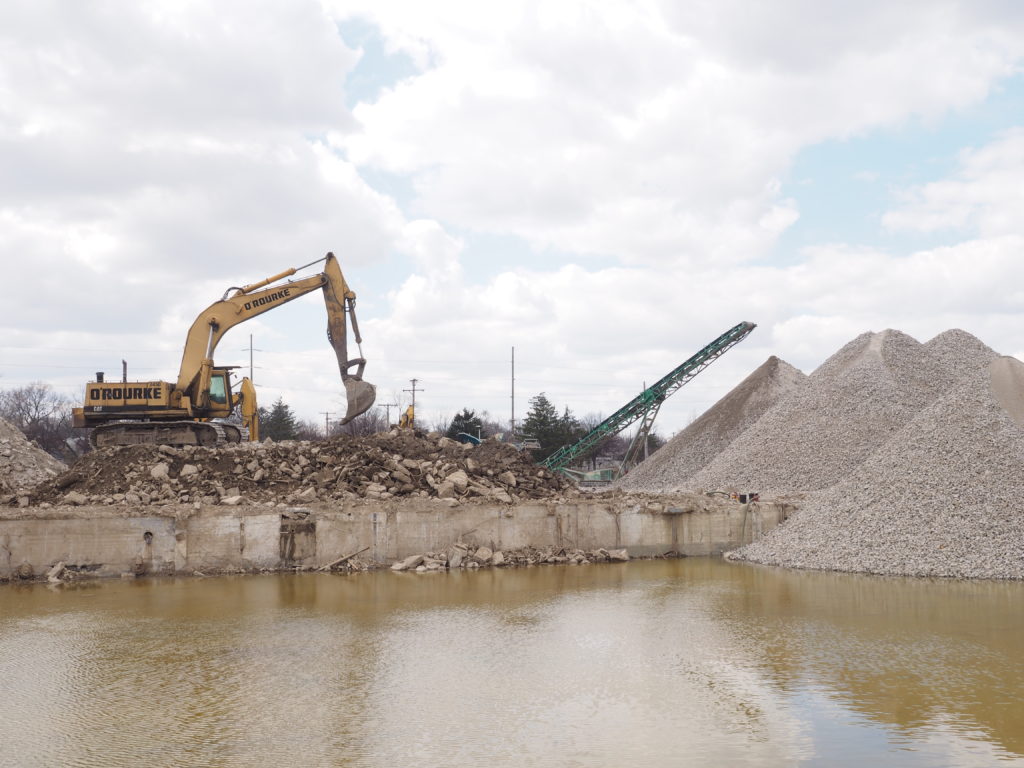
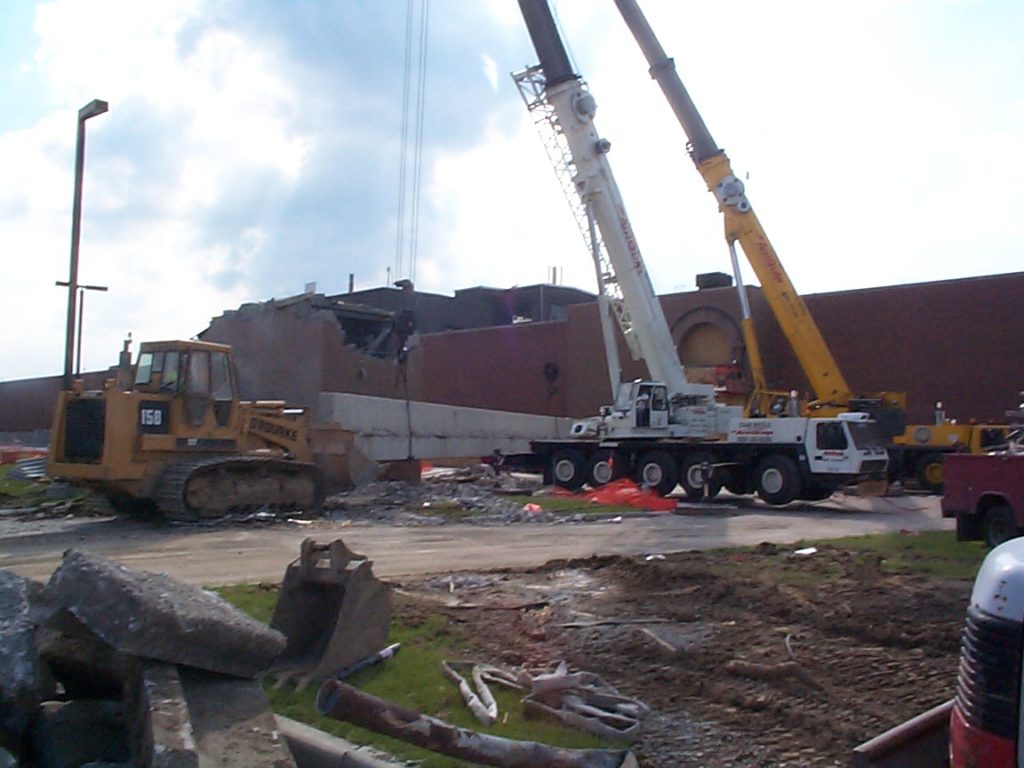
Heavy demolition can generate dust, noise, and stormwater runoff, all of which require engineered controls. We deploy water mist cannons and localized sprays to contain dust at the source. Site drainage is managed using temporary berms and catch basins. For projects near waterways or wetlands, we install sediment traps and water treatment units to prevent offsite impacts.
Sensitive sites, such as hospitals or high-traffic urban corridors, require additional controls. Noise barriers, real-time vibration monitors, and scheduled work hours help us reduce disruption. We tailor our approach to match the needs of each location and the expectations of the surrounding community.
Brownfield and Redevelopment Project Support
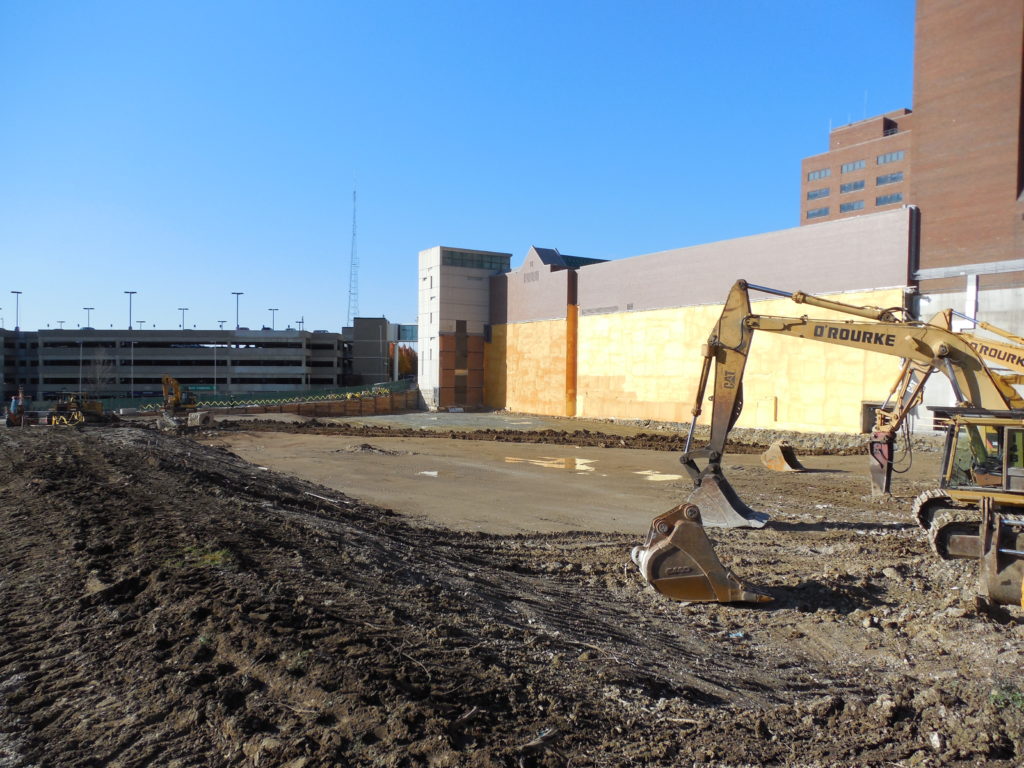
Many of our projects involve brownfield sites and properties with contamination that complicates redevelopment. Our engineering team develops strategies that allow for land reuse while managing or removing environmental risks. This may include capping contaminated areas, removing source material, and installing long-term monitoring systems.
Integration of demolition, remediation, and redevelopment means clients move from contaminated land to construction-ready parcels without managing multiple contractors. Our single-team approach saves time and reduces the risk of miscommunication.

Why Environmental Engineering Matters in Demolition and Construction
Poor planning at the start creates expensive problems later. Environmental engineering minimizes that risk.
Protecting Worker Safety and Public Health
Demolition projects often expose unknown hazards (contaminated dust, buried drums, unstable asbestos-containing materials). Our engineers develop health and safety plans (HASPs), design engineering controls, and conduct on-site monitoring to reduce exposure risks for crews and the public.
Reducing Project Delays Through Proactive Planning
Early site assessments and regulatory coordination help prevent mid-project shutdowns. We work closely with project managers, general contractors, and municipal agencies to align timelines with permitting and remediation workflows. When delays do occur, we troubleshoot fast. Our field teams are used to adapting in live environments with multiple stakeholders and changing site conditions.
Supporting Sustainable and Responsible Redevelopment
Environmental engineering isn’t just about cleanup. It’s about making the land usable again. We support brownfield redevelopment, urban infill projects, and industrial-to-residential conversions by ensuring contaminated properties are made safe for new use. That includes documentation for liability protection, public transparency, and post-project reuse.
O’ROURKE’s Approach to Environmental Engineering
Our environmental engineering work is fully integrated with our demolition and construction services. That means fewer handoffs, better communication, and field plans that actually match site conditions. Our experience spans hundreds of projects, from straightforward commercial teardowns to high-profile industrial decommissioning. We maintain in-house teams of environmental engineers, remediation specialists, and field technicians, all trained to meet project-specific needs.
We work closely with owners, general contractors, and regulators at every phase. When unexpected conditions arise, we provide solutions backed by real data and years of expertise. We’ve helped clients meet aggressive redevelopment schedules, secure agency approvals, and turn challenging sites into assets for their communities. Our approach keeps projects safe, compliant, and on track.
Experience with High-Risk and Specialized Sites
We’ve completed environmental engineering work in some of the most challenging environments in the country:
- Aging power plants with legacy contaminants
- Abandoned chemical processing facilities
- Decommissioned wastewater treatment plants
- Active industrial facilities requiring phased demolition
- Urban infill sites surrounded by occupied structures
These projects demand detailed planning, constant monitoring, and real-time adjustments. That’s where our team thrives.
Get Environmental Engineering Support
We help owners, developers, and contractors move forward with confidence. If your project involves contamination, regulatory complexity, or long-term reuse planning, let’s talk. Our environmental engineers are ready to support every phase of the job—from initial assessment to final closeout.