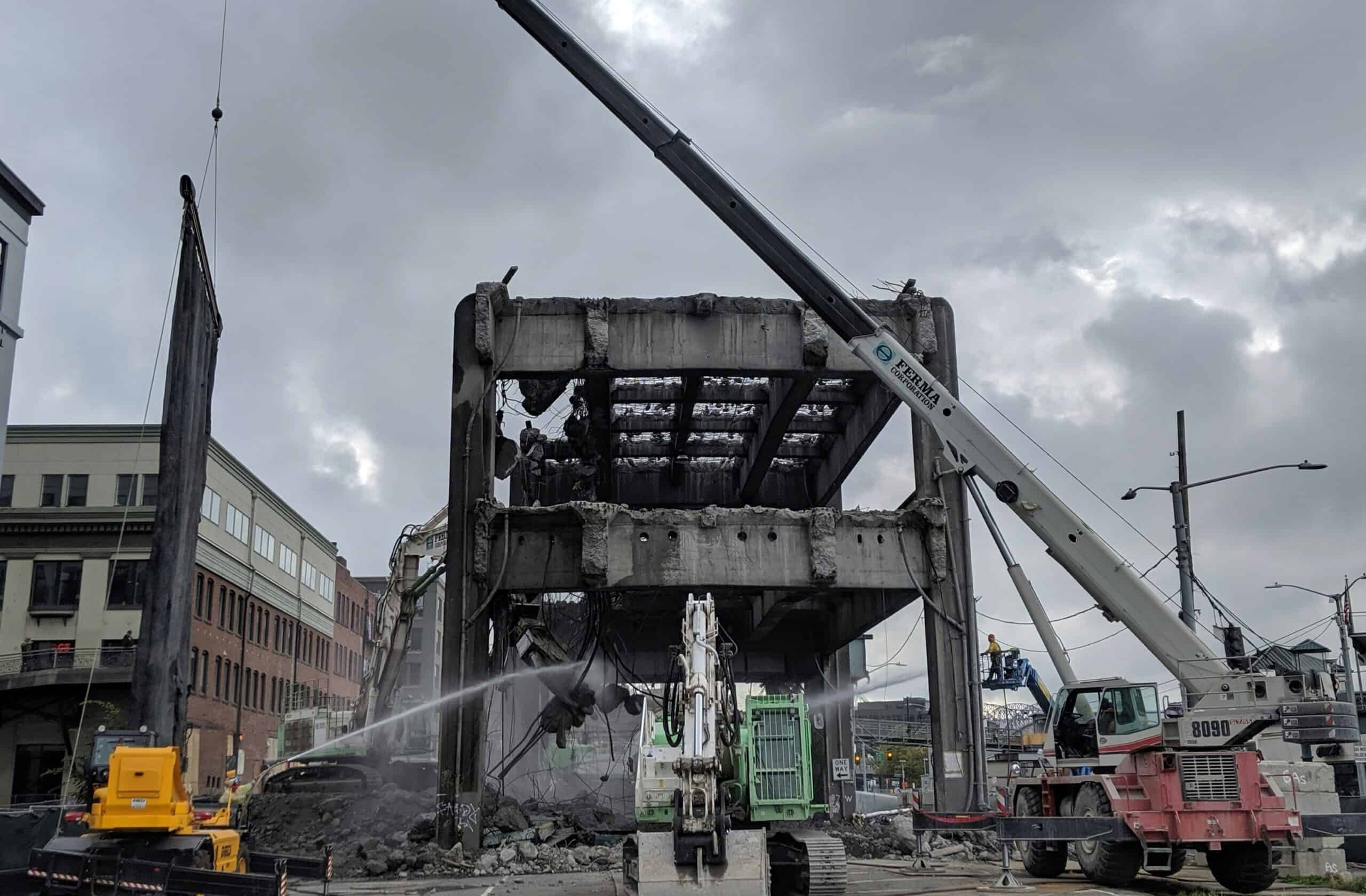
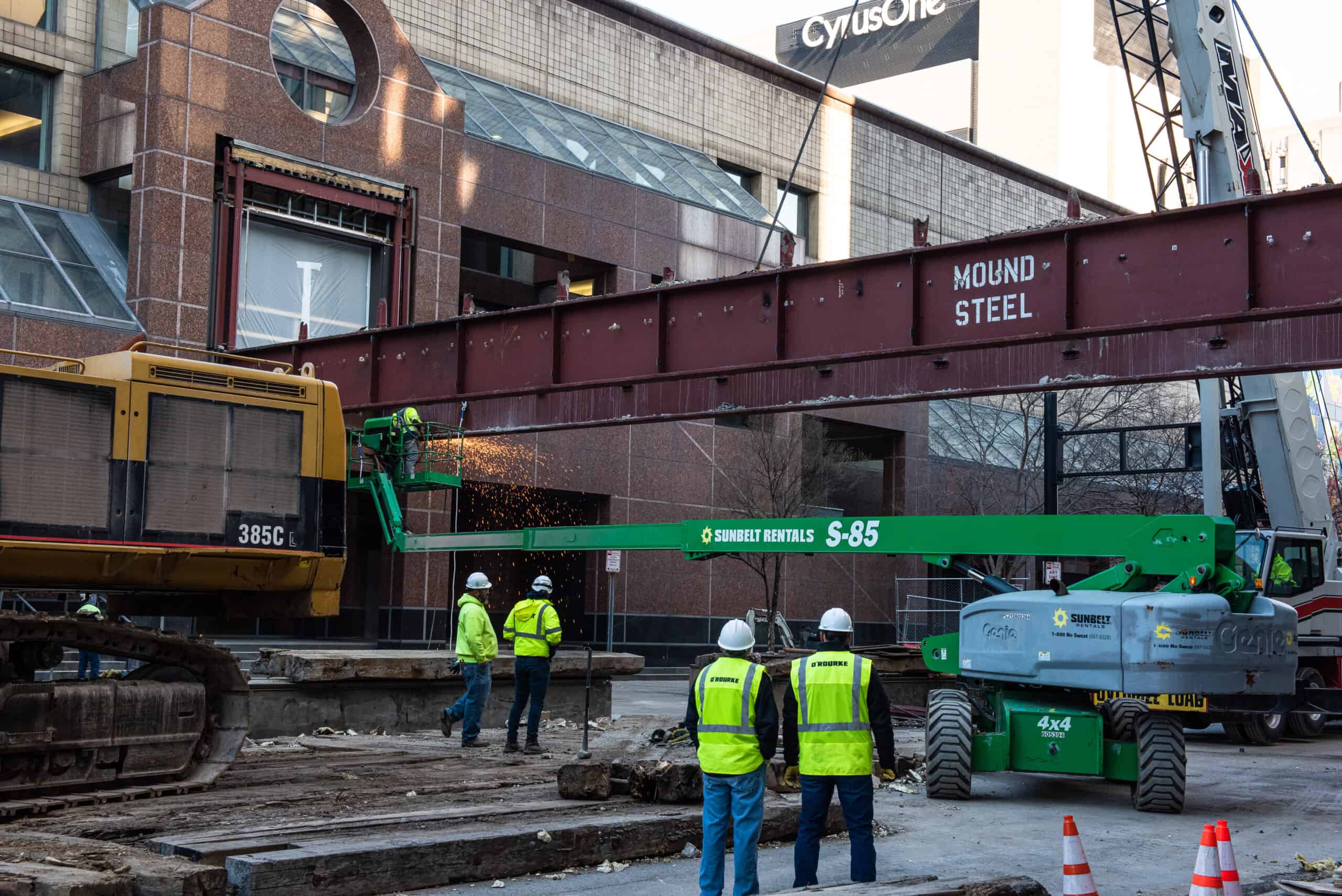
O’ROURKE provides bridge demolition services for transportation agencies, municipalities, general contractors, railroads, developers, and private owners. Our team plans and performs the controlled removal of highway bridges, overpasses, railroad bridges, pedestrian bridges, industrial crossings, and other elevated structures.

Every bridge presents a different set of conditions. Some cross active roads or rail lines. Others span rivers, environmentally sensitive areas, industrial facilities, or densely developed urban property. The structure may be built from reinforced concrete, structural steel, timber, masonry, or a combination of materials. O’ROURKE evaluates these conditions and develops a demolition plan built around the structure, surrounding property, project schedule, and next phase of construction.

Full-Service Bridge Removal Solutions

Bridge demolition involves much more than breaking concrete and cutting steel. Loads shift as each section is removed, and the remaining structure must stay stable throughout the work. Crews must also protect motorists, rail operations, waterways, utilities, nearby structures, and the public.

O’ROURKE begins each project by studying the available drawings, inspection reports, material information, site access, and current condition of the bridge. Our team works with the owner, engineer, general contractor, transportation agencies, and other involved parties to define the demolition sequence and site controls.

Our Bridge Demolition Services

We can perform a complete bridge demolition or remove selected components as part of a rehabilitation, widening, or replacement project. Depending on the project, our bridge demolition services may include:

  • Pre-demolition surveys and site investigations
  • Engineered demolition planning and sequencing
  • Road, rail, pedestrian, and marine traffic coordination
  • Utility identification, protection, and disconnection
  • Hazardous material abatement
  • Bridge deck and approach slab removal
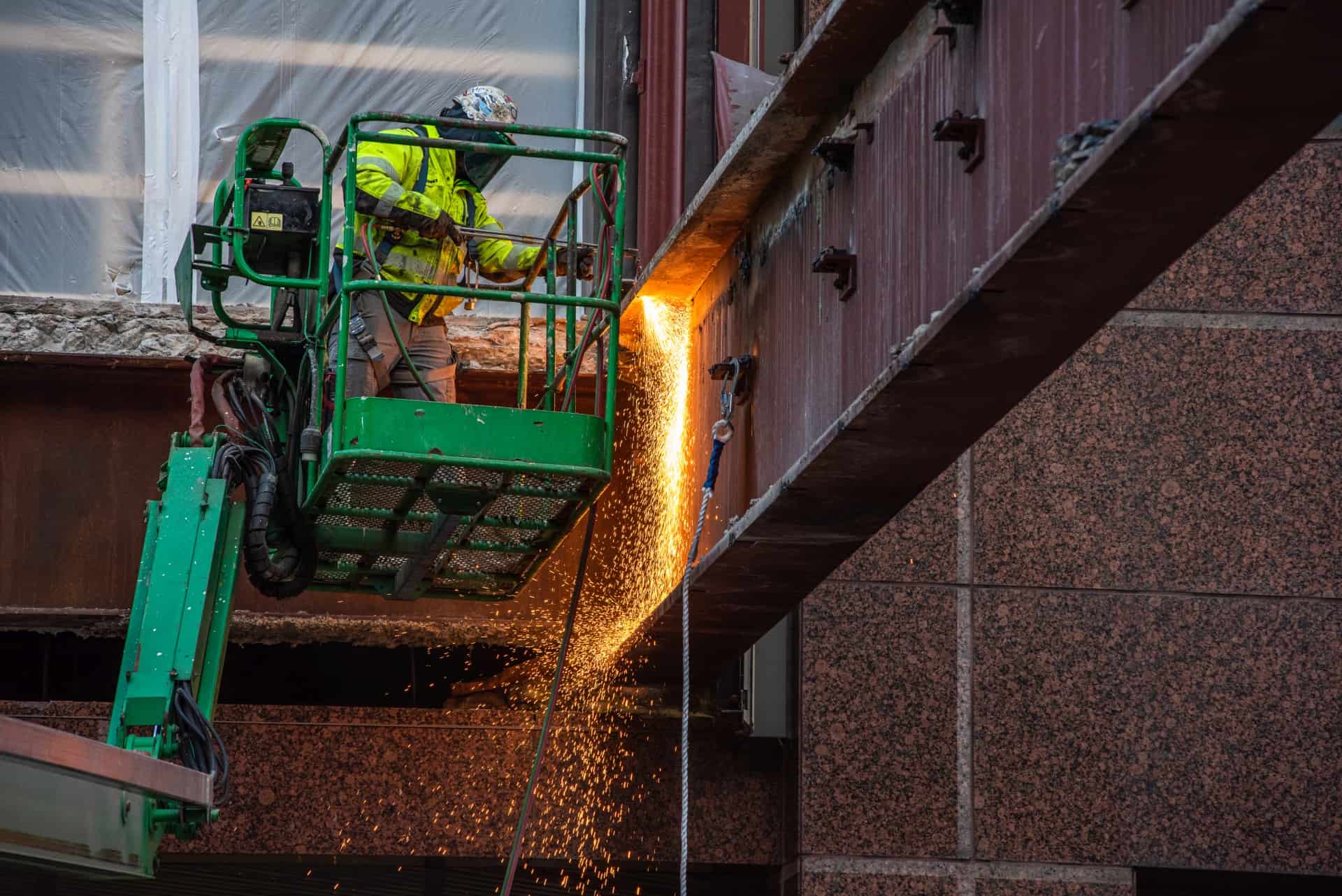
  • Steel beam, girder, and truss dismantlement
  • Reinforced and prestressed concrete removal
  • Pier, abutment, wing wall, and foundation demolition
  • Controlled explosive demolition when appropriate
  • Debris containment and environmental protection
  • Material processing, hauling, recycling, and disposal
  • Emergency removal of damaged or collapsed bridge structures
  • Site clearing and preparation for replacement construction

Bridges and Elevated Structures We Demolish

O’ROURKE has the equipment, personnel, and project management experience needed to address a broad range of bridge structures. The removal method is selected according to the bridge design, structural condition, location, access, and construction schedule.

Highway Bridges and Overpasses

Highway bridge demolition often takes place above active traffic lanes and within limited closure periods. The project may require overnight work, weekend shutdowns, phased lane closures, temporary shielding, or removal of large sections during a carefully scheduled outage.

Our crews coordinate equipment placement, debris protection, truck routing, and removal activities to make the best use of each available work window. When a bridge must remain partially open, the demolition can be completed in stages so replacement construction and traffic operations can continue as planned.

Railroad Bridges

Railroad bridge removal requires detailed coordination with railroad representatives and strict control of work near tracks. O’ROURKE plans around track outages, overhead and underground utilities, railroad right-of-way requirements, equipment clearance, and the protection of active rail operations.

Steel spans may be cut into sections and lifted by crane, while concrete components can be removed using methods suited to the available work window. Each step is sequenced to control the structure and clear the track area before service resumes.

Bridges Over Water

Removing a bridge over a river, creek, canal, or lake requires controls that keep demolition debris out of the water and protect the surrounding environment. Site conditions may call for barges, temporary work platforms, cranes positioned from shore, suspended containment, debris nets, turbidity controls, or other project-specific systems.

O’ROURKE coordinates the removal of decks, beams, piers, and foundations while accounting for water depth, current, flood conditions, vessel traffic, shoreline access, and environmental restrictions. Recovered material is staged, processed, and transported to approved recycling or disposal facilities.

Pedestrian and Utility Bridges

Pedestrian bridges, pipe bridges, conveyor bridges, and other elevated crossings may be connected to occupied buildings or active industrial operations. These structures often require selective dismantlement to protect nearby systems and maintain facility access.

Our team can disconnect and remove the crossing in controlled sections. We also address supporting towers, concrete foundations, utility lines, equipment, and adjoining structural components included in the project scope.

Damaged and Collapsed Bridges

Vehicle impacts, fires, floods, structural failures, and severe weather can leave a bridge unstable or partially collapsed. O’ROURKE provides emergency response for bridge collapse and failure, including stabilization support, debris removal, selective dismantlement, environmental cleanup, and site access restoration.

Emergency bridge work begins with an evaluation of immediate hazards and the condition of the remaining structure. Our crews mobilize specialized demolition equipment and coordinate with engineers, owners, public agencies, and emergency personnel to make the area safe and begin recovery.

Environmental Controls and Material Recycling

Bridge demolition can produce concrete, asphalt, reinforcing steel, structural steel, timber, paint chips, sediment, and other debris. O’ROURKE develops a waste management plan that identifies how each material will be contained, separated, transported, recycled, or disposed of.

Steel and other metals are recovered for recycling. Concrete and asphalt may also be processed for beneficial reuse when project requirements and material conditions allow. Regulated waste is handled separately and transported to an approved facility.

Dust suppression, debris containment, spill controls, water protection, and organized material staging help keep the site clean and reduce the effect of demolition on surrounding property. O’ROURKE’s material management approach supports the waste-reduction principles outlined in the EPA’s guidance for construction and demolition materials.

Our Bridge Demolition Process

Successful bridge removal depends on the work completed before demolition begins. O’ROURKE builds the plan around known structural conditions, site hazards, project interfaces, and the required completion date.

1. Site and Structural Review

Our team reviews drawings, inspection records, access conditions, surrounding infrastructure, bridge materials, utilities, and available staging areas. Field observations help confirm how the structure can be reached and where equipment, cranes, trucks, and processed material can be positioned.

2. Demolition Engineering and Sequencing

The demolition plan establishes how the structure will be removed while maintaining stability. It identifies equipment, lifting operations, temporary supports, exclusion zones, protection systems, debris handling, and the order in which bridge components will be taken apart.

3. Environmental and Hazard Preparation

Older bridges may contain lead-based coatings, asbestos-containing materials, contaminated debris, or other regulated materials. O’ROURKE can integrate hazardous material abatement and environmental services into the project before or during demolition.

For work near water, the plan also addresses debris containment, spill prevention, dust control, and the protection of nearby soil and surface water. Project controls are adjusted to the permits and requirements that apply to the site.

4. Traffic, Rail, and Public Protection

Closures and work windows are coordinated before structural removal begins. Barriers, shielding, signage, spotters, exclusion zones, and other controls are put in place according to the project plan.

The team also coordinates with adjacent property owners, utilities, first responders, and other stakeholders when their operations may be affected by the work.

5. Structural Removal

Crews remove the deck, superstructure, substructure, and foundations in the planned order. Conditions are monitored throughout demolition, and the work sequence can be adjusted when previously concealed construction or deterioration is discovered.

6. Material Processing and Site Completion

Concrete, reinforcing steel, structural steel, timber, asphalt, and other materials are sorted for recycling, reuse, or approved disposal. O’ROURKE can crush concrete on site when the project and available space make it practical.

After demolition, we remove remaining debris and leave the work area ready for the next phase. The final scope may also include excavation, grading, backfilling, access restoration, or preparation for the replacement bridge.

bridge overhang demolition

O'Rourke crew working on steel bar removal in demolition

Millennium demolition project site overview and map

woman working in the demolition industryEmployee laser cutting steam beam in a lift

Safety Throughout Every Phase

Bridge demolition combines structural, fall, lifting, traffic, equipment, and environmental hazards. A site-specific approach is essential. O’ROURKE develops safety plans and daily work procedures around the risks present at each project. Project-specific planning also accounts for the hazards addressed in the Federal Highway Administration’s bridge demolition safety guidance.

Our supervisors and field teams coordinate demolition zones, equipment movement, rigging, access, fall protection, fire prevention, and changing structural conditions. Pre-task planning keeps crews informed about the day’s work and the controls required before it begins.

Safety also extends beyond the project boundary. We plan the work to protect motorists, railroad employees, pedestrians, marine traffic, neighboring properties, and the general public.

Why Choose O’ROURKE for Bridge Demolition?

Bridge owners and project teams need a demolition contractor that can manage structural demolition complexity, environmental risk, tight schedules, and multiple stakeholders. O’ROURKE brings these capabilities together under one experienced team.

  • More than six decades of demolition experience: O’ROURKE has served commercial, industrial, institutional, and public-sector clients since 1962.
  • Engineering-focused planning: Every removal sequence is developed around structural stability, site constraints, equipment access, and public protection.
  • Specialized equipment and experienced crews: Our fleet supports mechanical demolition, high-reach work, heavy lifting, concrete processing, steel cutting, and debris handling.
  • Integrated environmental services: Hazardous material abatement, remediation, waste management, and demolition can be coordinated through one contractor.
  • Material recovery and recycling: We sort and process concrete, steel, and other recoverable materials to support project waste goals.
  • Emergency response capabilities: O’ROURKE can mobilize for damaged, failed, or collapsed bridges when rapid action is required.

Begin Planning Your Bridge Demolition Project with O’ROURKE

Whether your project involves replacing an aging highway overpass, dismantling a railroad bridge, removing a river crossing, or responding to a structural failure, O’ROURKE can develop a plan for the full demolition scope. Contact O’ROURKE to discuss the bridge structure, site conditions, schedule, and next phase of construction. Our team will help define the right removal approach and provide a detailed proposal for safe, controlled bridge demolition.