Site Assessment and Due Diligence
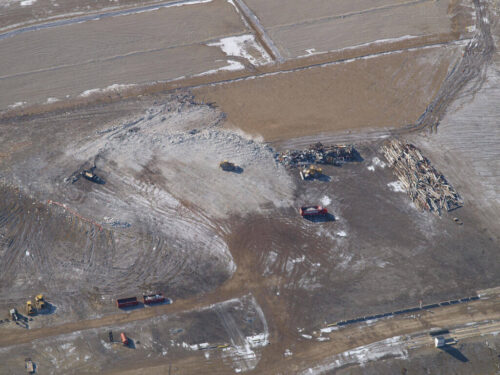
No two brownfield sites share the same conditions, risks, or redevelopment potential. That’s why we begin every project with a detailed review of the site’s history, surrounding environment, and structural realities. Working alongside licensed environmental professionals, we coordinate Phase I and Phase II Environmental Site Assessments (ESAs), site surveys, and materials testing to inform next steps. Our team also evaluates access points, structural layout, and sequencing to ensure the demolition plan aligns with remediation and safety goals.
During the planning phase, we address demolition feasibility, equipment staging, and regulatory coordination, all while identifying any obstacles that could interfere with remediation efforts. This includes mapping utilities, identifying subsurface obstructions, and verifying the presence of hazardous materials such as asbestos, lead, or PCBs. Our early-stage involvement helps reduce the risk of delays by integrating demolition activities with the remediation strategy from the outset.
Environmental Remediation
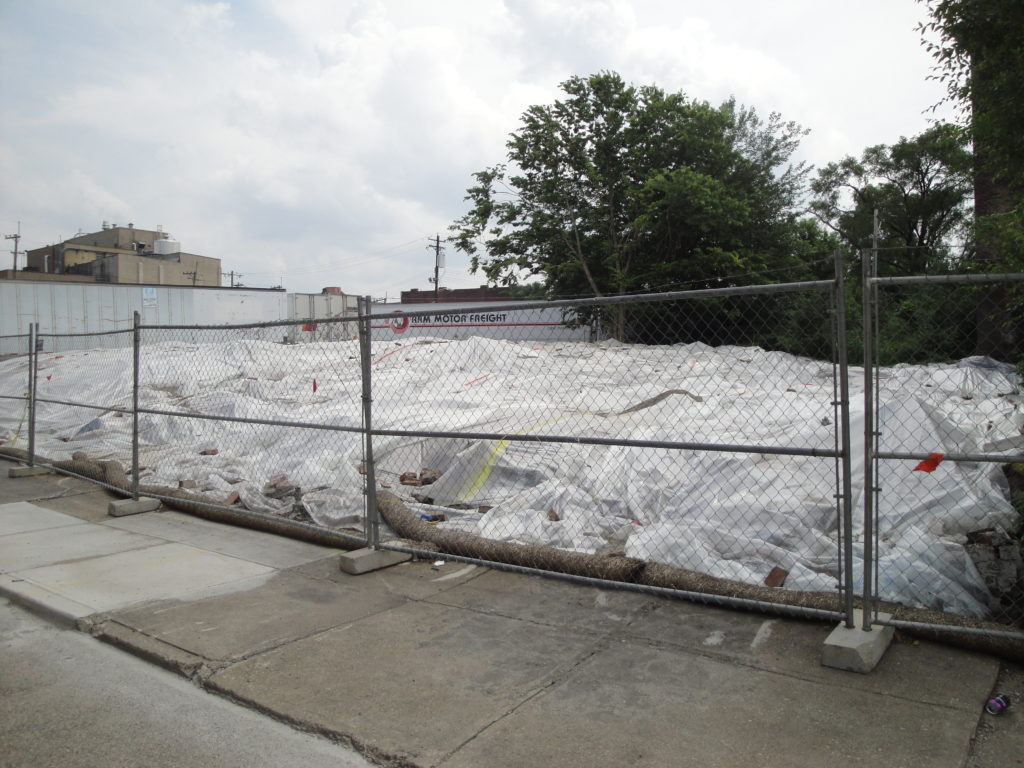
When contamination is present, we support the remediation effort with disciplined coordination and site-ready solutions. Our teams are trained in the safe removal of hazardous materials and the handling of contaminated structures, soils, and utilities. While we do not perform chemical treatment or environmental testing ourselves, we work directly with licensed remediation professionals to keep cleanup efforts on track and free of disruption.
We often assist with lead-based paint and asbestos abatement, PCB-containing equipment removal, and handling of site-specific hazards such as mercury or mold. Our crews manage the structural aspects of remediation by removing contaminated building materials, coordinating soil excavation, isolating utilities, and staging the site for access by environmental specialists. This collaboration ensures remediation work proceeds efficiently and meets regulatory expectations.
Structural Demolition and Deconstruction
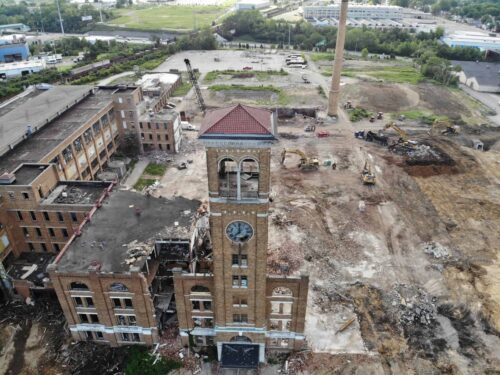
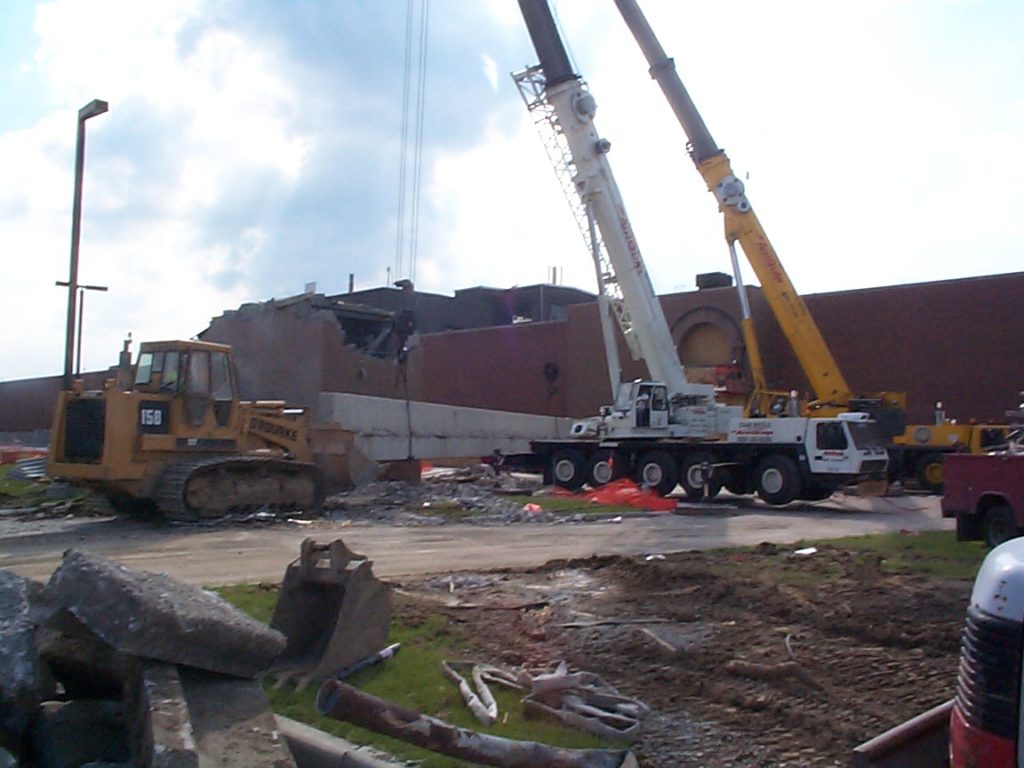
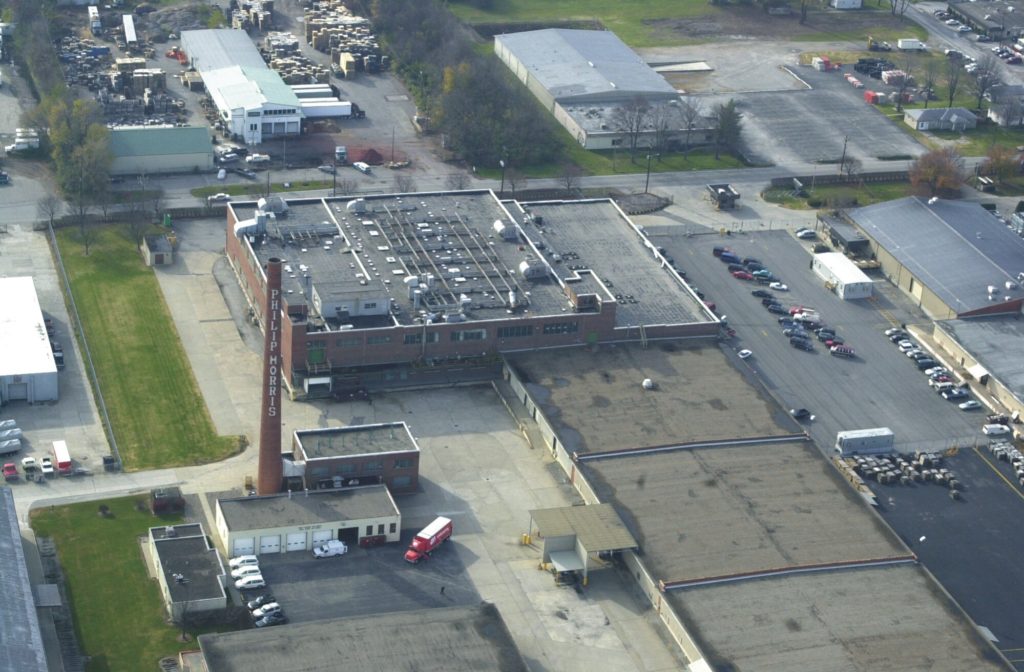
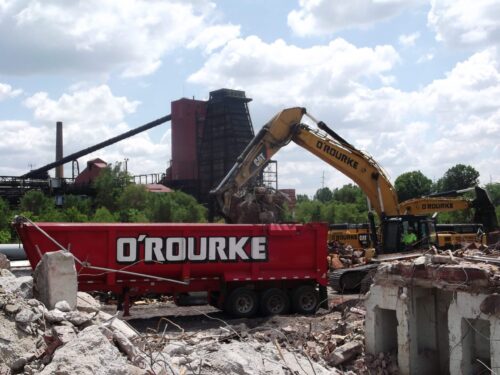
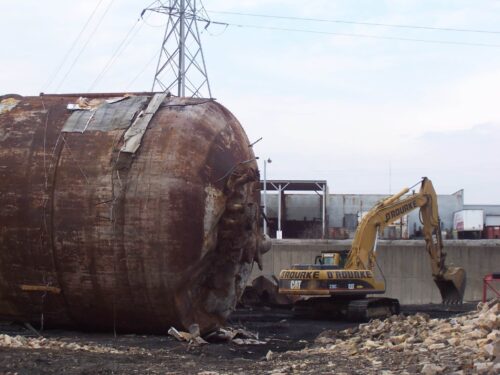
We handle the removal of buildings, infrastructure, and buried obstructions that stand in the way of redevelopment. Whether it’s an aging industrial facility, a decommissioned gas station, or a deteriorating warehouse, we have the personnel, equipment, and experience to take it down safely. Our demolition team works with precision in complex environments, including sites near utilities or active infrastructure.
Our capabilities include full and selective demolition, controlled dismantling in sensitive areas, on-site concrete crushing, and recovery of recyclable steel or salvageable materials. Every demolition is executed with a clear safety plan and a focus on minimizing site disruption, making way for the next stage of site development.
Site Preparation for Redevelopment
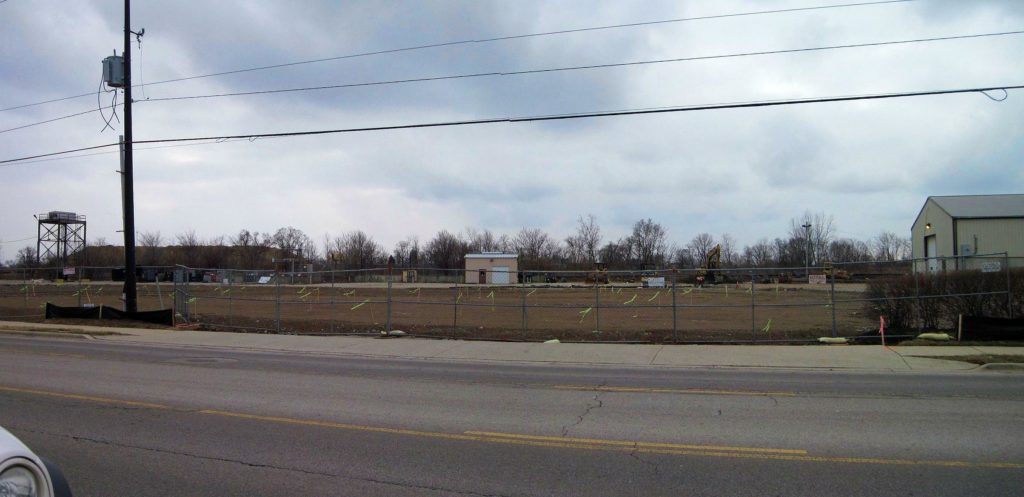
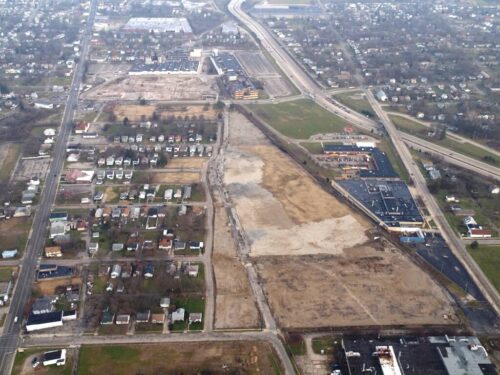
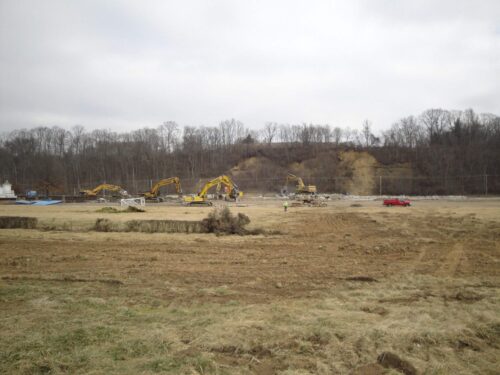
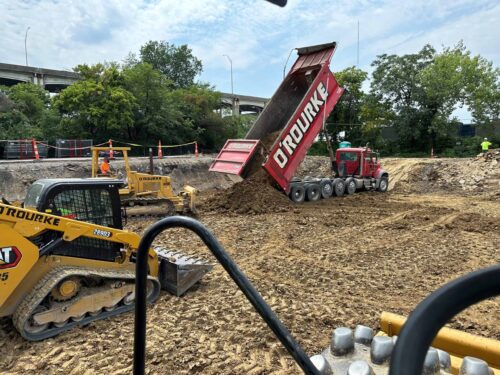
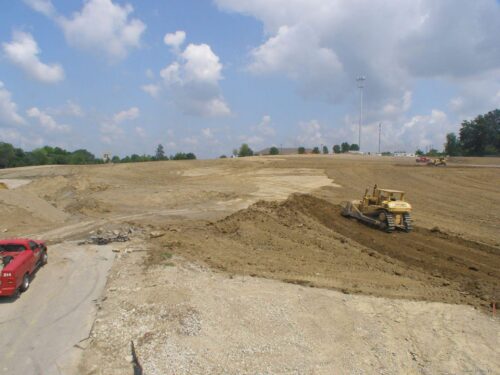
After demolition and remediation are complete, we transition the site into a clean, stable condition that’s ready for redevelopment. This stage involves excavation, grading, compaction, and installation of erosion control measures tailored to the project’s scope and future use. We also handle the removal of underground storage tanks, old foundations, and buried piping systems that could obstruct new construction.
Site preparation often includes excavation and rough grading, backfilling UST cavities, installing silt fences or turbidity controls, and preparing temporary construction access. We focus on delivering a site that’s development-ready—with no leftover demolition complications or buried hazards that might resurface during future building phases.
Regulatory Navigation and Documentation
Brownfield projects often involve multiple layers of environmental oversight. From permit applications to closure documentation, we help project teams navigate the regulatory process with fewer delays and fewer surprises. Our team manages the paperwork, submissions, and communications required to meet compliance standards at the local, state, and federal levels.
We assist with environmental permit applications, track and maintain project documentation logs, and coordinate communications with agencies and the public when needed. Once cleanup and demolition are complete, we provide support with final clearance reports and secure “No Further Action” letters or equivalent closure documentation to formally conclude the site’s regulatory obligations.