
Brownfield sites come with history. Sometimes that history includes abandoned structures, environmental risk, and years of deferred responsibility. We help turn those sites back into usable land through disciplined planning, controlled demolition, and close coordination with environmental professionals. Our brownfield restoration work supports redevelopment, protects surrounding communities, and helps owners move forward with confidence. We approach restoration with one goal in mind. Make the site ready for its next use without surprises, delays, or avoidable risk.
What Brownfield Restoration Means for Property Owners and Developers
Brownfield restoration is the process of preparing previously developed land for safe reuse. These sites often include former factories, warehouses, rail yards, fuel depots, or utility facilities. Many have sat idle for years. Some carry known contamination. Others come with uncertainty below the surface.
Restoration focuses on removing physical obstacles, managing environmental risks, and preparing the property for redevelopment. That includes demolition, coordination with remediation teams, grading, and site preparation. For owners and developers, restoration clears the path for financing, construction, and long-term value.
We have worked with clients who inherited brownfield properties through acquisition, foreclosure, or portfolio transfers. Others own land that no longer supports its original use. In each case, the first challenge is clarity. What is here. What needs to come out. What comes next.
Common Challenges Found on Brownfield Sites
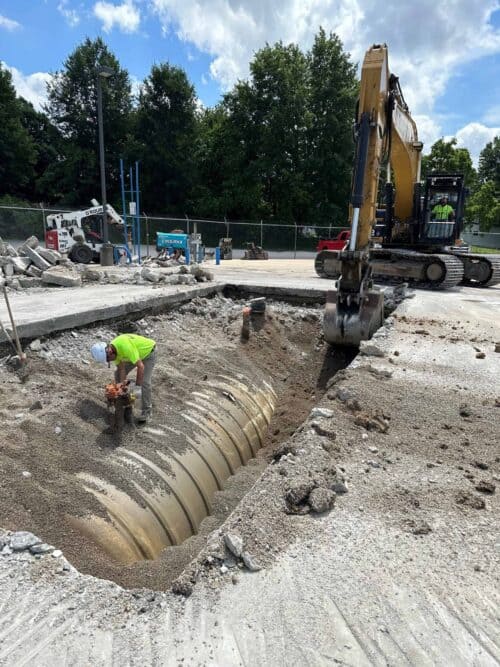
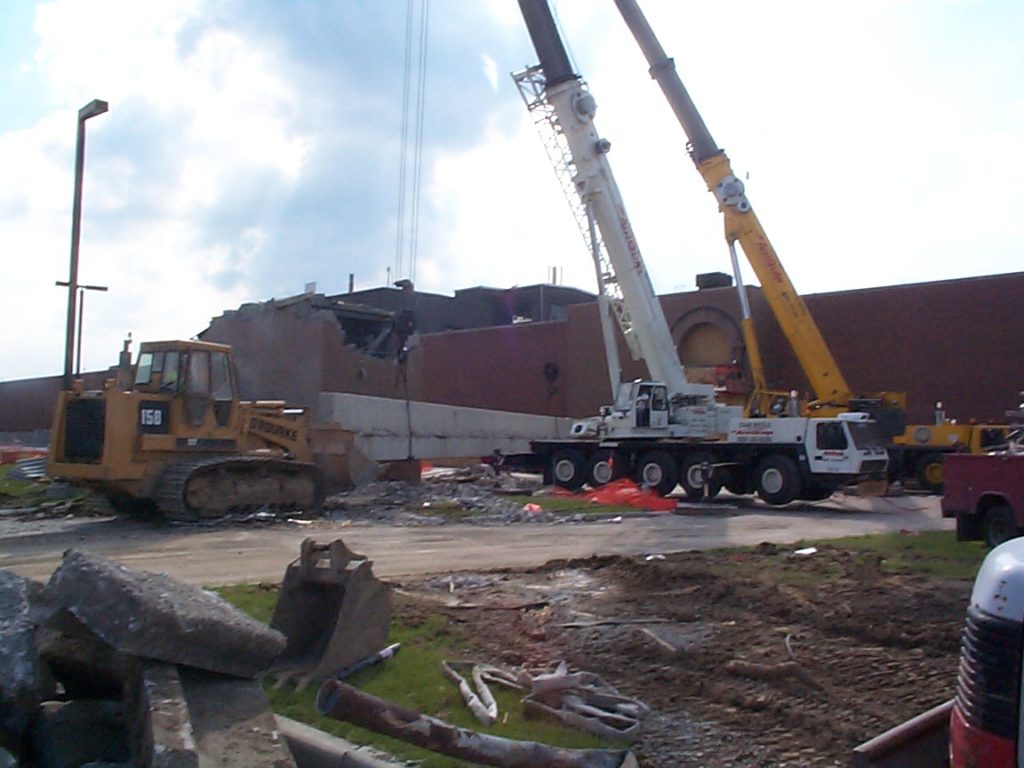
Every brownfield site presents a different set of conditions. Still, certain challenges show up again and again. Many sites contain aging or partially collapsed structures. Steel frames, concrete slabs, underground vaults, and obsolete utilities are common. These features limit access and complicate planning.
Environmental concerns often run alongside structural issues. Asbestos-containing materials, lead-based paint, and PCB-containing components may be present. Soil or groundwater impacts may already be documented or discovered during early investigation. Subsurface uncertainty creates another layer of risk. Buried foundations, abandoned tanks, undocumented utilities, and debris from past operations can disrupt schedules if not addressed early.
Oversight from local, state, or federal agencies adds complexity. Documentation, sequencing, and communication matter. Restoration work must support regulatory requirements while keeping the project moving.
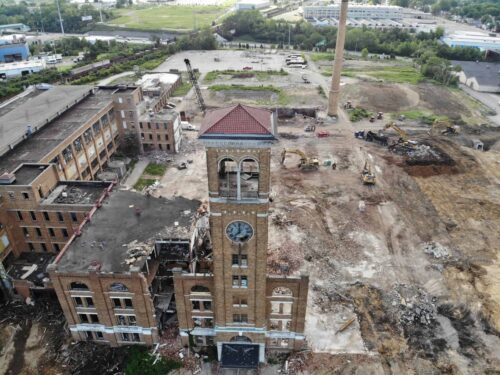
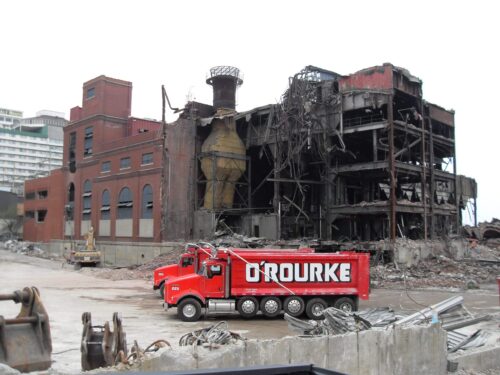
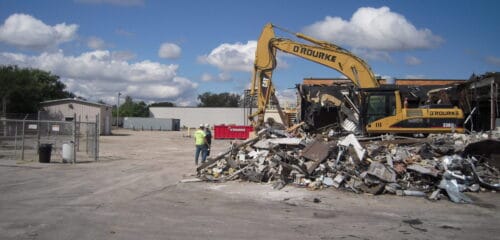
Our Completed Brownfield Restoration Projects
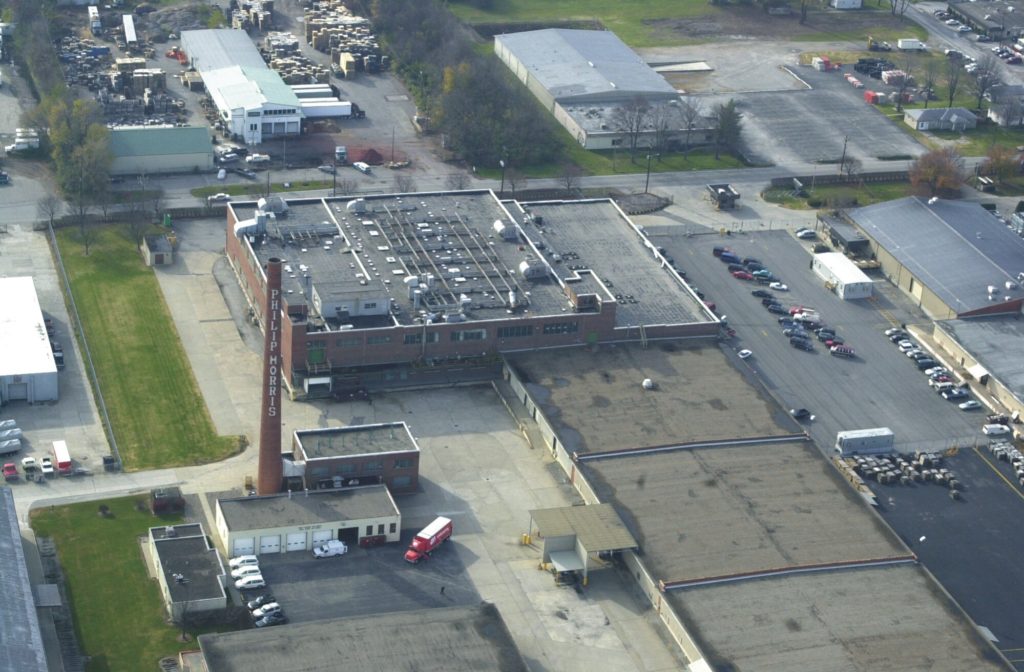
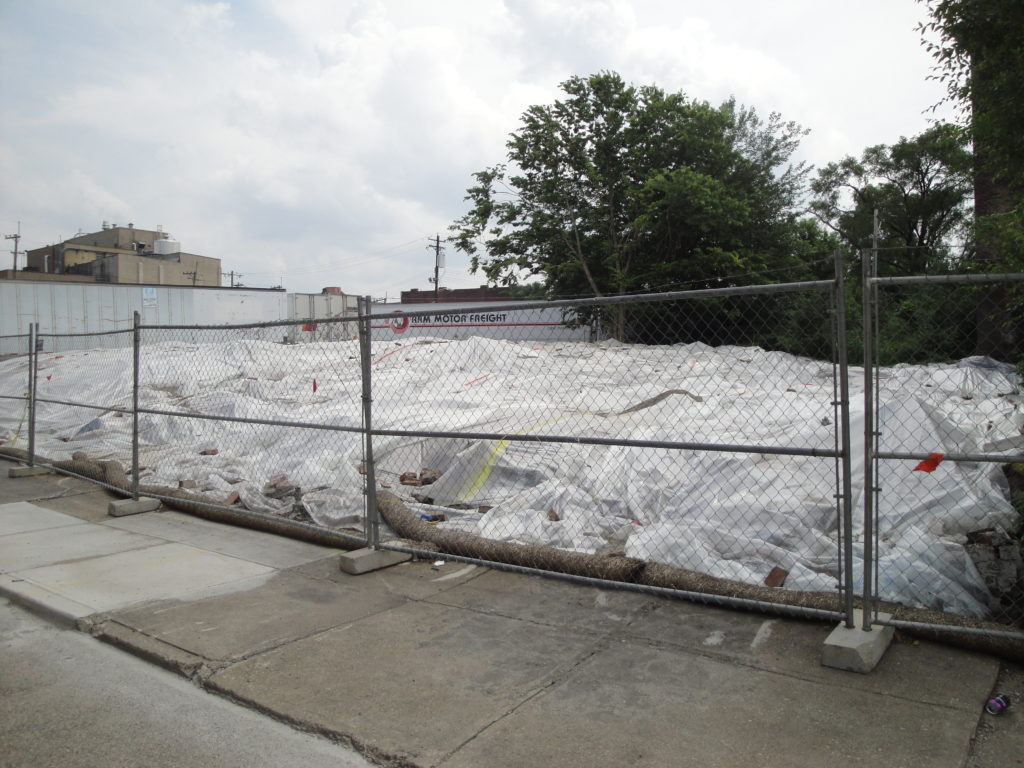
O’ROURKE’s Role in Brownfield Restoration Projects
We serve as the demolition and site preparation partner within the broader restoration team. Our work supports environmental consultants, remediation contractors, engineers, and owners by removing structures safely and preparing sites for cleanup and redevelopment.
Our crews operate under detailed site plans that account for hazards, access, and sequencing. We coordinate closely with licensed environmental professionals to align demolition activities with remediation goals. This approach reduces rework, limits disruption, and keeps projects on track. Brownfield site remediation demands control. It rewards experience. Our role centers on execution, coordination, and accountability.
The Brownfield Restoration Process
Restoring a brownfield site takes planning, expertise, and coordination with many different players. We follow a clear process designed to minimize surprises and keep your project on track.
Site Assessment and Planning
No two brownfields are exactly alike. That’s why our work always begins with a careful site assessment. We coordinate Phase I Environmental Site Assessments (ESA), where we review the property’s history, interview past and present owners, and walk the site to identify red flags. When needed, we move to Phase II ESAs—sampling soil, groundwater, and building materials to pinpoint contamination. Getting the plan right from the start helps prevent costly delays once restoration begins. We keep you updated at every step, making sure you know what’s happening and why. Our planning process also covers:
- Site surveys and material testing
- Identifying utility lines and subsurface structures
- Mapping access routes for equipment and crews
- Safety and health risk reviews
- Coordination with environmental professionals
Regulatory Compliance and Permitting
Dealing with brownfields means navigating a maze of local, state, and federal regulations. Our project managers work closely with the Environmental Protection Agency (EPA), state agencies, and municipal authorities to secure the right permits and maintain compliance. We’ve helped clients unlock these resources to offset costs and move projects forward with less risk. We also guide clients through funding, grants, and redevelopment incentive programs.
Remediation Strategies and Hazard Mitigation
Once contamination is confirmed, remediation takes center stage. Our crews are trained to handle hazardous materials with care, following strict protocols for worker safety and environmental protection. We tailor remediation strategies to each site’s unique challenges, drawing on our experience with hundreds of projects across the Midwest and beyond. Common remediation services include:
- Removing and disposing of asbestos, lead, and PCBs
- Excavating or capping contaminated soil
- Treating groundwater for industrial chemicals or petroleum
- Installing vapor barriers and monitoring systems
- Dust, odor, and water control to protect nearby homes and businesses
Demolition, Cleanup, and Site Preparation
In many cases, buildings or infrastructure on brownfield sites must be demolished to access contaminated areas or prepare for new use. We handle all demolition work, from small structures to massive industrial complexes, with precision and safety at the forefront. Our work doesn’t stop until the site is ready for its next chapter, whether that’s new housing, a commercial facility, or a public park. After demolition, we focus on:
- Separating and recycling debris where possible
- Removing waste in accordance with environmental laws
- Grading and stabilizing the site for redevelopment
- Restoring natural contours or preparing for new construction
Working Alongside Remediation Teams
We do not perform chemical treatment or environmental testing. Our strength lies in coordination. We support remediation teams by creating safe access, removing obstructions, and sequencing demolition work to match cleanup plans.
This coordination allows remediation to proceed efficiently. It avoids duplicate work and minimizes downtime. When teams work from the same plan, progress follows.
Hazard Awareness and Compliance
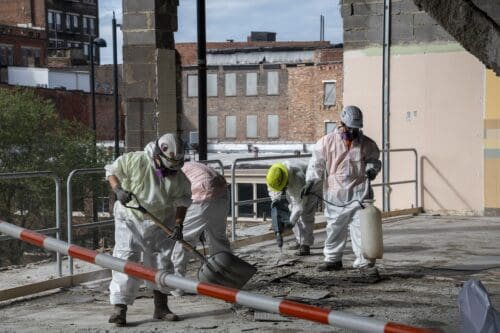
Brownfield sites require heightened awareness. Our crews operate under site-specific health and safety plans. We follow established procedures for hazard communication, personal protective equipment, and controlled work zones. We maintain clear communication with environmental consultants and oversight agencies. Documentation remains current. Compliance stays visible.
Earthwork, Grading, and Site Preparation
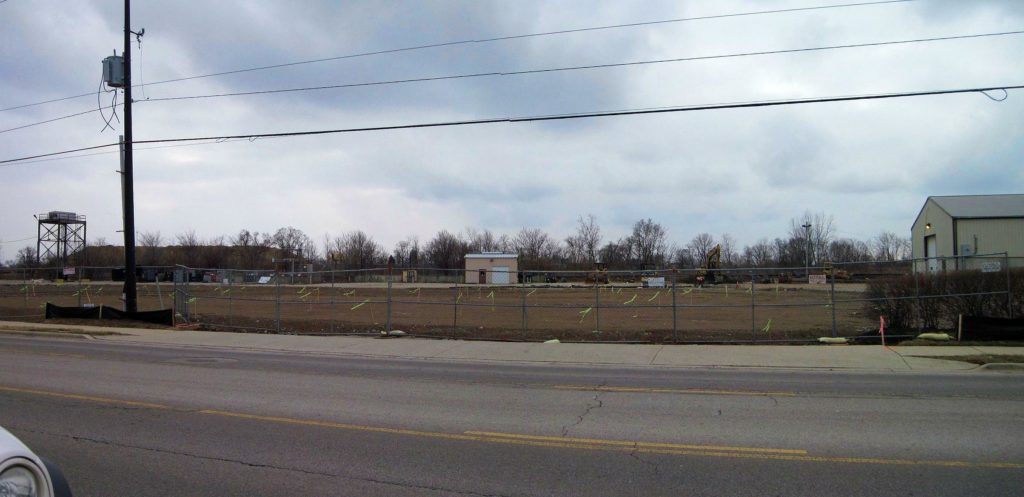
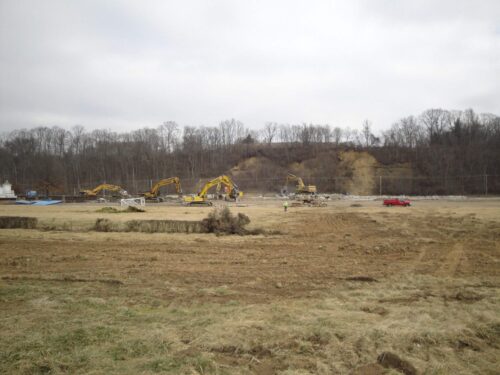
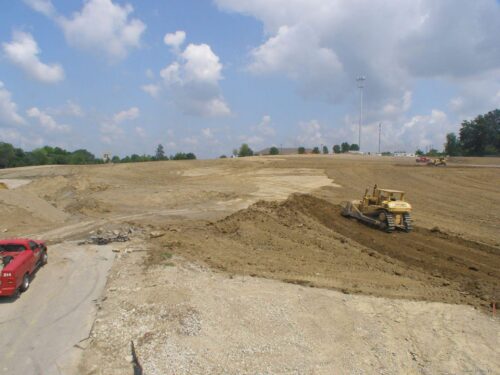
Once structures are removed, restoration shifts to site preparation. Clearing, rough grading, and removal of legacy foundations prepare the property for remediation or redevelopment. Subsurface obstructions are addressed methodically. Utilities are verified and protected. The goal is a stable, accessible site that supports the next phase of work. This step bridges demolition and redevelopment. Done correctly, it saves time later.
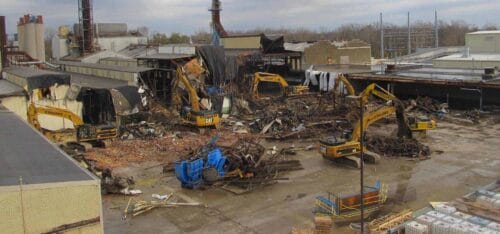
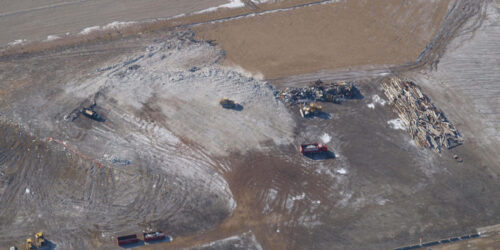
Restoration for Redevelopment and Reuse
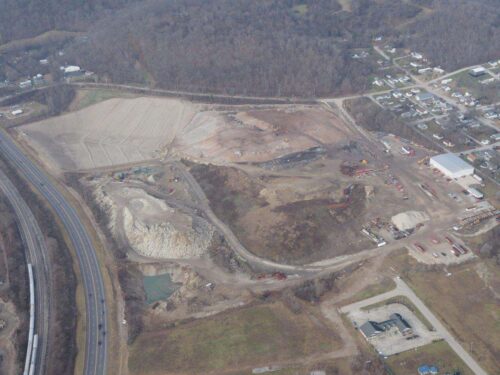
Brownfield restoration sets the stage for new uses. Industrial facilities, commercial developments, logistics hubs, and mixed-use projects often rise where abandoned properties once stood. We align restoration work with long-term plans. That means understanding grade requirements, access needs, and future construction timelines. When restoration supports the end goal, redevelopment moves faster. We have supported projects where restored sites became active again after years of inactivity. Those transitions matter. They bring jobs, investment, and renewed purpose to underused land.
Safety and Regulatory Compliance on Brownfield Projects
Brownfield sites operate under heightened regulatory scrutiny. Safety planning addresses worker exposure, public protection, and environmental controls. Compliance involves federal, state, and local oversight.
We develop site specific safety plans that reflect project conditions and regulatory requirements. Our crews receive training tied to the hazards present on each site. Daily coordination meetings reinforce expectations and address changes as work progresses. Safety remains a constant priority throughout restoration activities:
- OSHA requirements and hazard communication
- Environmental protection measures
- Dust control and debris management
- Site security and controlled access
- Documentation support for regulators and stakeholders
Why Clients Choose O’ROURKE for Brownfield Restoration
Clients choose us for our experience with demanding sites. We bring in-house demolition capabilities and a disciplined approach to coordination. Our teams understand how restoration fits into broader redevelopment efforts. We operate across the Midwest and beyond with regional knowledge that supports compliance and scheduling.
Request a Quote