Posted by Sean Cope on | Comments Off on O’ROURKE WRECKING COMPANY Earns National Excellence in Construction® Eagle Award from Associated Builders and Contractors
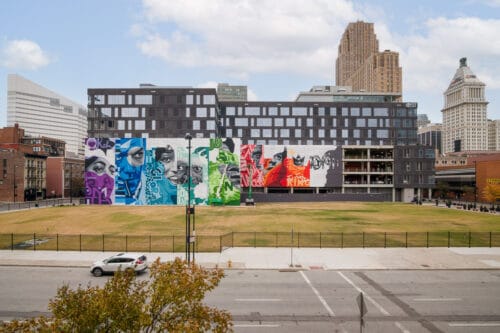
Cincinnati, OH, March 20, 2026 – O’Rourke Wrecking Company (O’ROURKE) today announced that its work on the Cincinnati Convention Center redevelopment, now known as First Financial Center, has been honored with a national Excellence in Construction® (EIC) Eagle Award from Associated Builders and Contractors (ABC). The award was presented at the ABC Convention 2026 in Salt Lake City on March 19.
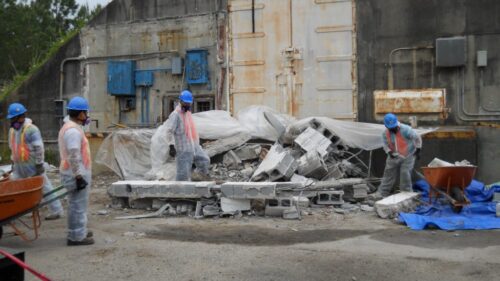
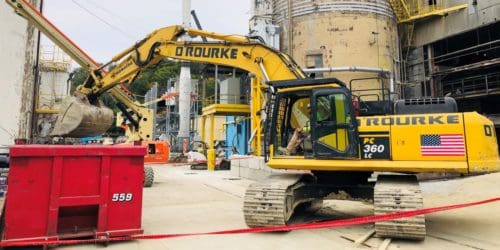
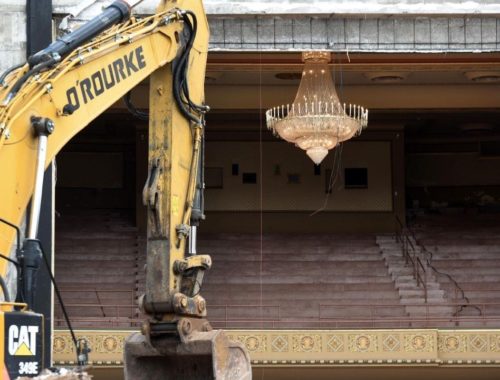
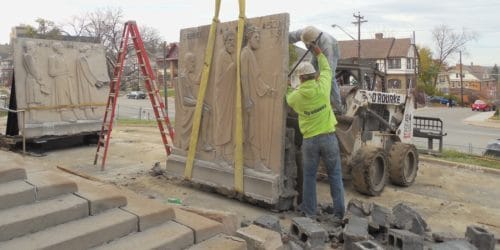
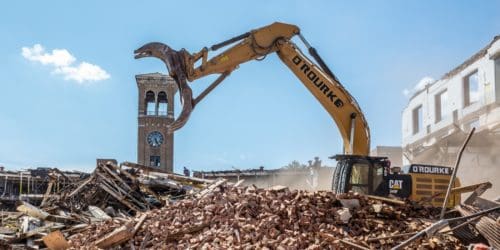
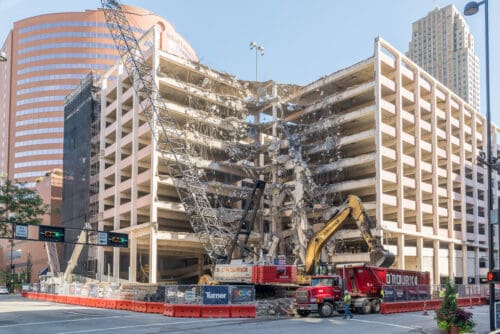
O’ROURKE was selected by 3CDC and the Messer/TriVersity/Jostin team to perform the strategic abatement, demolition, and architectural salvage of the convention center, located in the heart of Cincinnati’s Central Business District. The project involved the highly coordinated demolition of approximately 750,000 square feet of complex, interconnected structures, including elevated skywalk systems and the careful preservation of the historic Albee Arch.
Executed within an active urban environment surrounded by occupied buildings and critical infrastructure, the project required meticulous planning, advanced safety protocols, and precise sequencing to meet an accelerated schedule. O’ROURKE successfully delivered the work safely, efficiently, and on budget demonstrating its expertise in complex urban demolition and commitment to preserving community assets while enabling future development.
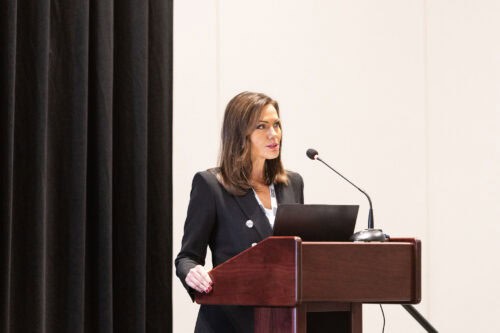
“This project represents more than demolition – it’s about transformation,” said Michele O’Rourke, CEO of O’Rourke Wrecking Company. “We had the opportunity to safely and strategically clear the way for one of Cincinnati’s most important civic reinvestments, while preserving pieces of its history like the Albee Arch. I’m incredibly proud of our team’s ability to execute fast-paced, complex work in a dense urban environment with precision, discipline, and care for the surrounding community. This recognition from ABC is a testament to the grit, expertise, and commitment to excellence that defines O’ROURKE every day.”
The EIC Awards celebrate 86 of the nation’s top construction projects from 2025, recognizing excellence across a wide range of sectors, including infrastructure, commercial, healthcare, and institutional construction. Winners are evaluated on complexity, innovation, safety, and overall project execution.
“Communities thrive when infrastructure is built and rebuilt with excellence, just like this project completed by the team at O’Rourke Wrecking Company,” said 2026 Chair of the ABC National Board of Directors Thomas “Murph” Murphy, vice president of Power & Construction Group. “ABC’s EIC Awards recognize the highest level of achievement in construction. This project exemplifies the leadership, safety, innovation, and merit that define our industry. Congratulations to O’Rourke Wrecking Company for showcasing the pinnacle of construction excellence.”
A panel of industry experts served as the competition’s judges. This year’s judges included representatives from the Design-Build Institute of America, Engineering News-Record, the Construction Owners Association of America, the Metropolitan Washington Airports Authority, the National Institute of Building Sciences, ShareBuilt, the University of North Carolina at Charlotte and other select construction-related organizations nationwide.
The Excellence in Construction Awards are sponsored by ABC’s Insurance Trust, which provides construction-specific employer services for ABC members.
About Associated Builders and Contractors (ABC)
Associated Builders and Contractors is a national construction industry trade association established in 1950 with 67 chapters and more than 23,000 members. Founded on the merit shop philosophy, ABC helps members offer a robust employee value proposition, develop people, win work and deliver that work safely, ethically and profitably for the betterment of the communities in which ABC and its members work. Visit us at abc.org.
About O’ROURKE WRECKING COMPANY
O’ROURKE WRECKING COMPANY is a nationally recognized leader in demolition, environmental remediation, and complex asset recovery, headquartered in Cincinnati, Ohio. Ranked among the top demolition contractors in the United States, O’ROURKE specializes in executing highly complex projects in urban, industrial, and mission-critical environments with a relentless focus on safety, precision, and performance.
With integrated in-house capabilities, O’ROURKE delivers turnkey solutions that clear the way for redevelopment and revitalization. Guided by its mission of Clearing the Way to Build Better Lives & Communities, the company is committed to strengthening the communities it serves through responsible practices, workforce development, and lasting impact. For more information, visit www.orourkewrecking.com
Posted by Sean Cope on | Comments Off on Green Demolitions
At O’ROURKE, we believe demolition doesn’t have to come at the environment’s expense. That’s why we offer green demolition services, a smarter, more responsible way to dismantle buildings, recover materials, and reduce waste. Whether you’re targeting LEED certification, following ESG guidelines, or simply trying to do right by your community, we bring decades of experience and a clear plan to help you minimize environmental impact while staying on schedule.
What Is Green Demolition?
Green demolition refers to the process of dismantling structures with a focus on maximizing salvage, minimizing waste, and protecting the surrounding environment. It includes selective teardown, material recovery, low-emission equipment, and strict compliance with environmental regulations.
Unlike traditional mechanical demolition that sends everything to the landfill, green demolition slows things down when needed. It allows reusable materials to be separated and recycled or repurposed. It’s more than a demolition method. It’s a sustainable construction strategy that starts where old buildings end. We’ve seen owners, contractors, and developers use green demolition to:
Offset costs through material salvage
Earn LEED points on redevelopment
Protect surrounding land and water
Create safer job sites for workers and neighbors
Our Approach to Sustainable Demolition
We tailor every green demolition project based on site constraints, goals, and environmental risks. Before we ever bring in machines, we work with licensed environmental professionals to understand the conditions beneath and around your site. We’re also flexible. If your LEED consultant or architect has specific goals, we work within that framework to support documentation and performance benchmarks.
Perform Phase I and Phase II Environmental Site Assessments (ESAs)
Coordinate with remediation teams during contaminated site work
Establish waste diversion goals and reporting standards
Sequence teardown to salvage high-value materials first
Keep crews trained on environmental protocols and handling
Materials Commonly Recovered Through Green Demolition
Many demolition projects contain significant recoverable value. Our teams focus on materials with proven recycling or reuse pathways. Material recovery depends on building age, condition, and project goals, which is why early evaluation is critical. Nothing is treated as generic debris. Our foremen and equipment operators are trained to recognize materials worth saving and to handle them safely.
Commonly recovered materials include:
Structural steel and non-ferrous metals
Concrete and masonry for crushing and reuse
Wood framing and architectural lumber when feasible
Mechanical, electrical, and plumbing components
Doors, fixtures, and architectural elements
Deconstruction vs. Mechanical Demolition
Not every structure needs to be pulled down by an excavator. In many cases, we use a hybrid approach: mechanical demo for the structural shell, and manual deconstruction for interior finishes, millwork, or items that can be donated or reused.
Schools may require fixture removal for donation
Historic buildings may contain salvageable hardwood flooring
Commercial spaces might be stripped before mechanical demo starts
We assess each job during planning and decide what balance of labor, equipment, and salvage makes the most sense.
Waste Tracking and Reporting
If you’re pursuing LEED certification, government funding, or working under a sustainability mandate, documentation matters. We’ll help you meet or exceed waste reduction targets, and we’ll document it clearly so there’s no guesswork at project closeout. We provide detailed waste diversion reports, including:
Tonnage by material type
Reuse vs. recycling breakdown
Landfill diversion rates
Source and destination of salvaged materials
Air, Soil, and Water Protections
Green demolition isn’t just about what happens to materials. It’s also about protecting what surrounds the site. We use engineered controls to contain debris, prevent runoff, and keep air and water clean. We take extra care around wetlands, residential neighborhoods, schools, and hospitals—anywhere the impact of dust, noise, or vibration could be greater. Our environmental controls include:
Dust suppression systems (misting, water cannons, negative air machines)
Stormwater pollution prevention plans (silt fences, drain covers, and BMPs)
Hazardous material handling (asbestos, lead, PCBs removed before general demo)
When Green Demolition Makes Sense
Brownfield Redevelopment
When contamination is confirmed, demolition and remediation must work hand in hand. Our experience on brownfield projects across Ohio and the Midwest helps ensure that demolition supports the site’s long-term cleanup and development. We coordinate with your environmental consultants to:
Prevent cross-contamination during structure removal
Sequence demolition around soil or groundwater remediation
Provide safe access for ongoing sampling or abatement
Projects Seeking LEED or ESG Goals
For developers targeting LEED certification or reporting ESG metrics, waste diversion, carbon reduction, and environmental safety are critical. We sequence carefully, communicate with stakeholders, and ensure our impact is kept as low as possible. We support those goals through:
Material diversion reporting for LEED MR credits
Dust and erosion control for sustainable site compliance
Documentation to support ESG audit trails
Sensitive Facilities and Urban Sites
Hospitals, schools, and downtown projects demand care, control, and precision. We’ve performed green demolitions next to:
Active healthcare facilities (coordinating noise, dust, and shift work)
Public K-12 schools (timing work during summer or off-hours)
Tight infill sites (using compact, electric machines)
Planning and Pre-Demolition Assessments
Every green demolition project starts with a conversation. We don’t roll up with machines until we understand the site, the goals, and the opportunities to minimize environmental impact. We also identify potential reuse pathways early on—whether that’s crushing concrete on-site or salvaging wood trim for local reuse. This level of planning helps keep the project efficient, compliant, and aligned with your sustainability goals. Our planning services include:
On-site walkthroughs with engineers and consultants
Sequencing analysis to prioritize salvage
Utility and subsurface obstruction mapping
Hazardous materials evaluation and coordination
Why Owners and Developers Choose Green Demolition
Project stakeholders face increasing pressure to demonstrate environmental responsibility. Green demolition provides a practical way to meet those expectations while maintaining cost and schedule control. Green demolition also supports long-term site value. Clean material separation and proper documentation help prepare properties for future use without lingering compliance issues. Owners and developers choose green demolition for several reasons:
Reduced landfill disposal and tipping fees
Improved material recovery value for metals and aggregate
Support for sustainability reporting and certification goals
Alignment with municipal or state redevelopment programs
Stronger community perception during visible demolition work
Why Choose O’ROURKE for Green Demolition?
Experience that Reduces Risk: We have specialized in complex dismantling since the early 1960s. Every superintendent on a green demolition job has logged thousands of field hours and holds current OSHA-30 and HAZWOPER credentials. Our safety culture shows in an Experience Modification Rate below 0.70, a figure that keeps insurance premiums low and schedules steady.
Integrated Services Under One Roof: Because we self-perform abatement, selective deconstruction, concrete crushing, metal recycling, earthwork, and final grading, you avoid the delays and mark-ups that come with multiple subcontractors. A single project manager steers everything from the initial material audit through the last seed blanket.
Measurable Sustainability: Our diversion rate typically lands between 70 and 95 percent. Each outbound load carries a QR-coded tag that links to weight tickets, photos, and destination addresses. You receive live dashboard access plus a close-out packet that drops straight into LEED Online or Green Globes portals.
Modern, Low-Emission Fleet: Tier 4 Final excavators, hybrid electric-hydraulic shears, atomized mist cannons, and GPS-guided graders form the backbone of our work. Owning this equipment lets us mobilize in days instead of weeks and keeps carbon, noise, and dust well below regulatory limits.
Documented Cost Savings: On-site concrete crushing replaces imported fill. Scrap steel moves to local mills within hours, earning real-time revenue credits. Fewer waste hauls translate into lighter tipping fees and less fuel burned on the highway. We include a line-item comparison so you see where every dollar stays in your pocket.
Transparent Communication: Daily reports list diversion progress, crew counts, equipment hours, and safety observations. Stakeholders—owners, architects, regulators—see exactly what we see. No surprises, no hidden line items.
Regulatory and Community Wins: Clean, quiet sites secure permits faster and draw positive media coverage. Developers often leverage our diversion stats to strengthen ESG filings or meet municipal green-building ordinances.
Dedicated Sustainability Coordinator: One point of contact manages all submittals, tracks material flows, and prepares final documentation. That frees your team to focus on design, financing, and tenant build-outs.
Prompt, No-Charge Project Review: Send over your drawings or invite us to walk the site. Within one business day we return a high-level diversion estimate, a safety outline, and a preliminary schedule.
Posted by Sean Cope on | Comments Off on O’ROURKE CEO Delivered VIP Keynote at World Demolition Summit
O’Rourke Wrecking Company is proud to share that CEO Michele O’Rourke served as the VIP Keynote Speaker at the World Demolition Summit in Nashville – the premier global event for the demolition and dismantlement industry, attended by 500+ leaders from around the world.
Her keynote, “Sustainability is Stewardship: Building Hope Beyond the Jobsite,” highlighted how O’ROURKE is advancing the future of:
Sustainable demolition & material recycling
Brownfield redevelopment & community revitalization
Workforce development & skilled-trades careers
Jobsite health, safety & environmental excellence
Michele showcased how demolition can be a force for positive transformation creating safer communities and building opportunities long after the last wall comes down.
Posted by Sean Cope on | Comments Off on Plant Relocation
Relocating a manufacturing or industrial plant isn’t just about moving equipment from one place to another. It’s about preserving operational integrity, reducing downtime, and getting every piece reassembled and functional in a new environment. We’ve been moving industrial assets, entire facilities, and complex equipment systems for decades. Whether your operation is moving across town or across state lines, we manage the entire plant relocation process: planning, dismantling, hauling, reassembly, and environmental support.
Call O’ROURKE today to schedule a plant relocation consultation or request a bid.
What Is Plant Relocation?
A plant relocation involves transferring a facility’s physical infrastructure to a new site. This may involve a complete relocation of the entire plant or a partial transfer of key operations. The complexity of a relocation depends on the size of the facility, the type of equipment, the operational schedule, and the regulatory environment.
Companies relocate for various reasons. Some need more space to scale. Others move closer to raw material sources, workforce hubs, or transportation lines. Mergers and acquisitions often require consolidating operations. Environmental pressures, tax incentives, and infrastructure improvements also drive decisions.
Regardless of the reason, the process presents challenges that require specialized knowledge and field-tested execution. That’s what we bring to the table.
O’ROURKE’s Turnkey Plant Relocation Services
We’ve handled plant moves across various industries, always with an eye toward keeping your operation safe, secure, and on time. Here’s how our team supports every phase:
Comprehensive Project Planning
We start with feasibility studies and cost estimates. This includes site visits, risk assessments, and stakeholder input to design a move that matches your operational requirements. Every step is documented, scheduled, and coordinated with your team.
Asset Inventory and Condition Assessment
Before a single bolt is turned, we catalog all assets, recording condition, maintenance needs, and specific handling instructions. This helps avoid confusion, protects your investments, and supports insurance documentation.
Selective Demolition and Decommissioning
Many plants include equipment or structures that must be dismantled or demolished before a move. Our crews handle disconnection, hazardous material removal, and site cleanup with precision.
Equipment Disassembly and Rigging
Heavy machinery, presses, process lines, and robotics are disassembled by our experienced technicians. We use purpose-built rigging, cranes, and protective packaging to safeguard assets.
Transportation and Logistics
Our team manages everything from route planning to load permitting. We select the right transport methods for each asset, coordinate real-time tracking, and solve logistical challenges before they impact your schedule.
Site Preparation at the New Location
A successful move requires the destination to be ready. We handle grading, foundation work, and any utility upgrades. This enables reinstallation to begin the moment assets arrive.
Equipment Reassembly, Alignment, and Calibration
Machines are rebuilt, aligned, and calibrated by specialists. Our process restores production lines to full functionality and supports any required testing or inspections.
Waste Management and Site Restoration
Once your facility is operational, we provide debris removal, recycling, and environmental remediation to leave both sites in good standing.
Unique Capabilities
We manage large-scale moves, hazardous material handling, and heavy lifts with our own crews and equipment. Our certifications include safety training, environmental compliance, and specialized logistics.
Key Challenges in Industrial Plant Relocation
Relocating a plant can disrupt operations, impact delivery schedules, and increase risk if not properly managed. Each step must be coordinated with precision.
Downtime pressure – Production stops cost money. Whether your timeline is tight or flexible, we build schedules that keep critical systems online as long as possible. In phased relocations, we coordinate around your operating hours to maintain throughput.
Heavy equipment dismantling – Large machines aren’t plug-and-play. They need careful disconnection, labeling, protection, and transport. Some require cranes or custom rigging. We’ve moved everything from press lines and stamping machines to material handling systems and kilns.
Safety and compliance – We work within OSHA standards and your internal protocols. We also manage compliance with EPA, DOT, and state agencies during the dismantling, hauling, and environmental handling phases.
Environmental cleanup – If your site includes hazardous materials, underground storage tanks (USTs), or suspect building materials (asbestos, lead-based coatings), our teams handle remediation and abatement before handoff.
New site permitting – If your relocation involves changes in footprint, emissions, or utility load, we help coordinate with local authorities on zoning and permitting.
You need every element of the move to work in sync. That’s why we handle the project holistically.
Step-by-Step: The Plant Relocation Process
We approach each relocation as a custom project. But every successful move shares a few core stages.
1. Planning and Pre-Relocation Assessment
We begin with a site walk, asset review, and logistical assessment. Our team documents every piece of equipment, including its connections, support systems, condition, and transport requirements.
From there, we develop a relocation roadmap. That includes the schedule, labor resources, specialized equipment needs, and staging areas. We’ll also coordinate with your team leads to make sure we’re aligned with production goals and safety standards.
2. Equipment Dismantling and Decommissioning
Once plans are approved, we begin the decommissioning process. Every bolt, cable, and bracket is removed with the intention of rebuilding. We label each component clearly and pack everything for reassembly at the new site. For certain equipment, we design and build custom crates or protective structures to prevent damage during transportation.
Electrical systems, pressurized lines, gas piping, compressed air units, and conveyors all require careful isolation and de-energization. Our crews shut them down in sequence and handle drainage or purge operations where necessary.
If any systems need to be permanently decommissioned (rather than relocated), we manage this process according to local codes and disposal regulations.
3. Transportation and Heavy Hauling
Next comes the physical move. O’ROURKE coordinates all transportation, including:
Heavy haul permits
Escort vehicles (if needed)
Load securement
Route clearance and traffic planning
We use rigging equipment, flatbeds, stretch trailers, and cranes suited to each asset. Larger items may require oversize load handling or night-time transport windows. Everything is logged, tagged, and tracked.
We also separate loads for delivery by priority, so systems arrive in the correct order for reassembly.
4. Reassembly and Installation at the New Site
Once everything is on-site, we reverse the process. Equipment is unloaded, positioned, and aligned according to layout specs. We coordinate with your facilities team or external contractors for utility reconnections, anchoring, and calibration.
We also:
Conduct torque checks and alignment verification
Provide utility stub-ups or conduit extensions
Set up temporary power for commissioning tests
Coordinate startup with your OEM or operations leads
Every detail is tracked to make sure your equipment functions as expected. Once installed, we verify that safety systems and control panels are operational before turning it over.
5. Environmental and Regulatory Compliance
Throughout the move, we handle the compliance requirements that come with industrial relocations.
At the old site, that may involve:
Hazardous waste characterization and disposal
Asbestos or lead paint abatement
Floor or soil sampling (post equipment removal)
UST identification and removal
Air or water discharge permitting closeout
At the new site, we help address:
Local zoning permits
Utility permits and inspections
Equipment emission ratings
Safety signage and traffic planning
Stormwater and dust control (during unloading and reassembly)
All documentation is shared with your compliance team and retained in case of future audits.
Why Experience Matters in Plant Relocation
Plant relocation isn’t the place for improvisation. Mistakes can cost money, delay operations, or put workers at risk. Our team has managed relocations for manufacturing plants, refineries, power generation sites, and research facilities. We have the credentials and experience to back up our promises.
A national beverage producer recently chose O’ROURKE for a facility move. They wanted a partner with deep experience in both demolition and heavy equipment handling. By planning the project in phases and coordinating with the client’s engineering team, we minimized downtime and delivered the new site ready for production ahead of schedule.
Clients trust us because we’re transparent about what’s possible and what’s not. We give honest estimates, clear timelines, and a full accounting of costs. Our certifications cover rigging, hazardous materials handling, and demolition, and we’re fully insured for complex projects.
Why Choose O’ROURKE for Your Plant Relocation?
We bring decades of experience, technical know-how, and a dedicated safety culture to every plant relocation project. Our in-house crews manage every phase, and we coordinate closely with your team to ensure a predictable, efficient move.
Clients trust us for:
Transparent planning and budgeting
Industry certifications and safety focus
Proven logistics and equipment handling
Complete documentation and support after the move
If you’re planning a plant relocation or exploring your options, contact us for a consultation. Our team is ready to help you protect your investment, maintain productivity, and complete your move on schedule.
Contact O’ROURKE for Plant Relocation Services
Moving an industrial facility is a high-stakes project that calls for expert management. At O’ROURKE, we bring the planning, safety, and technical skills needed to relocate plants of any size. Whether you need a full facility move, selective demolition, or environmental remediation, our team delivers solutions that help your business move forward.
If you’re planning a relocation, or just exploring your options, reach out to us for a consultation. We’ll schedule a site visit, walk you through our process, and answer any questions you have. Let’s make your plant relocation a success, contact us today to get started.
Posted by Sean Cope on | Comments Off on Environmental Engineering Services
Environmental liabilities don’t wait. Whether you’re preparing a site for redevelopment, responding to an emergency, or coordinating a demolition project, you need a partner who can manage contamination, navigate regulations, and move the job forward. That’s where environmental engineering services come in.
At O’ROURKE, we’ve provided integrated demolition and environmental solutions for over 60 years. Our team helps property owners, developers, general contractors, and government agencies handle hazardous materials and complex site conditions with confidence. We engineer every project with safety, compliance, and long-term value in mind. We bring field-tested experience to industrial, municipal, and private-sector projects that require hazardous material handling, remediation design, and full-spectrum environmental compliance. From site evaluations to full-scale remediation, we manage risk early so demolition and construction don’t stall later.
What Environmental Engineering Services Include
Environmental engineering covers a wide range of project-critical responsibilities. These aren’t optional extras—they’re foundational steps for safe, legal, and efficient development. Here’s what we focus on:
Site Assessments and Environmental Planning
Before any physical work starts, we conduct Phase I and Phase II Environmental Site Assessments (ESAs) to uncover site history, evaluate contaminant risks, and determine next steps. Our teams collect soil samples, run groundwater tests, and review site history records for past spills or structural issues. This work might include using GIS mapping tools to visualize the spread of contaminants or identify sensitive areas that need special attention.
During field inspections, we document materials in buildings and on the property. If we find evidence of asbestos, lead-based paint, or chemical residues, we log locations and volumes. We use this information to build project plans that sequence demolition, remediation, and abatement activities to minimize risks. Early planning also helps clients avoid unexpected costs or delays later on.
Regulatory Compliance and Permitting Support
Environmental engineering always means working within strict regulations. Our project managers handle everything from federal EPA requirements to local agency permits. Each region sets rules for air, water, and waste. We help clients navigate those layers of compliance, preparing documentation and keeping records that stand up to agency scrutiny.
When a job requires public notification, such as for asbestos removal or major dust-generating work, we prepare the necessary filings and communicate with stakeholders. Our familiarity with permitting processes means we can often shorten approval timelines and reduce the risk of compliance issues causing schedule overruns.
Salvage and Materials Recovery
Not every part of a structure needs to end up in a landfill. We survey buildings to identify steel, copper, concrete, and even architectural features that can be recovered. Salvage reduces the volume of waste, lowers disposal costs, and supports sustainable redevelopment. For LEED-certified projects, we track recovery rates and provide detailed reporting to support client certifications.
Material recovery also appeals to clients pursuing ESG (Environmental, Social, and Governance) objectives. By prioritizing reuse and recycling, we help clients meet internal sustainability benchmarks and demonstrate commitment to responsible development.
Waste Handling and Disposal Plans
Waste streams on demolition projects can include everything from concrete rubble to hazardous debris. We segregate materials at the source, using color-coded bins and onsite processing stations. Hazardous materials are clearly labeled and handled according to DOT and EPA rules. All materials leaving the site are tracked with manifests, and we work only with licensed disposal and recycling partners. Our teams document the full journey of each waste stream, so clients receive transparent reporting for compliance and project records. If a client faces a regulatory audit, our records help ensure a smooth review.
Environmental Remediation and Hazard Mitigation
Many industrial or commercial sites hold a legacy of hazardous materials. These can include everything from asbestos and PCBs to petroleum byproducts and solvents. Our environmental engineering team specializes in identifying, removing, and safely disposing of these risks, setting the stage for safe demolition and future land use.
Hazardous Material Identification and Abatement
A typical project might involve asbestos-containing materials (ACM) in insulation or flooring, lead-based paint (LBP) on structural steel, or polychlorinated biphenyls (PCBs) in electrical systems. We use certified inspectors and field-tested sampling kits to identify these hazards before demolition starts. Once identified, our abatement crews isolate work zones with barriers, negative air machines, and decontamination chambers. Materials are removed using controlled methods to prevent spread, then packaged and shipped to licensed facilities.
For clients, this means hazardous material abatement is fully integrated into the demolition sequence. We keep projects moving and ensure no cross-contamination between hazardous and non-hazardous debris streams.
Soil and Groundwater Remediation
Soil and groundwater contamination are common on older industrial sites. Our remediation teams offer a variety of solutions depending on the contamination profile and project goals. Excavation might remove affected soil for offsite treatment. Sometimes, stabilization techniques are used to lock contaminants in place. On larger or more complex sites, we might deploy pump-and-treat systems for groundwater or vapor mitigation measures to prevent off-gassing of volatile compounds.
Environmental Monitoring and Controls
Environmental conditions can shift quickly during demolition and remediation, so ongoing monitoring is critical. Our teams install air monitors around project perimeters to measure dust, particulates, and volatile organic compounds (VOCs). Water quality is tracked through regular sampling of runoff and site drainage points. Where needed, we use erosion controls, silt fencing, and water treatment units to keep contaminants from leaving the site.
Noise and vibration are also monitored and we use real-time data feeds to spot trends and take corrective action before issues arise. This active monitoring helps us demonstrate compliance, manage public concerns, and keep projects running smoothly.
Engineering Support for Complex Industrial Projects
Environmental engineering gets more complex as project size, risk, and operational challenges increase. O’ROURKE’s experience in large-scale and specialized sites sets us apart.
Environmental Risk Mitigation for Plant Decommissioning
Decommissioning a power plant or chemical facility introduces unique hazards. Old equipment may contain legacy chemicals, pressurized systems, or unknown materials inside piping. Our engineers use site-specific risk assessments and historical plant drawings to plan safe system shutdowns and removals.
Special care is given to process vessels and storage tanks. We often use remote cameras and non-invasive testing to verify contents before opening. This level of planning helps prevent surprises, protect workers, and avoid accidental releases that could impact neighbors or the environment.
Environmental Controls for Heavy Demolition
Heavy demolition can generate dust, noise, and stormwater runoff, all of which require engineered controls. We deploy water mist cannons and localized sprays to contain dust at the source. Site drainage is managed using temporary berms and catch basins. For projects near waterways or wetlands, we install sediment traps and water treatment units to prevent offsite impacts.
Sensitive sites, such as hospitals or high-traffic urban corridors, require additional controls. Noise barriers, real-time vibration monitors, and scheduled work hours help us reduce disruption. We tailor our approach to match the needs of each location and the expectations of the surrounding community.
Brownfield and Redevelopment Project Support
Many of our projects involve brownfield sites and properties with contamination that complicates redevelopment. Our engineering team develops strategies that allow for land reuse while managing or removing environmental risks. This may include capping contaminated areas, removing source material, and installing long-term monitoring systems.
Integration of demolition, remediation, and redevelopment means clients move from contaminated land to construction-ready parcels without managing multiple contractors. Our single-team approach saves time and reduces the risk of miscommunication.
Why Environmental Engineering Matters in Demolition and Construction
Poor planning at the start creates expensive problems later. Environmental engineering minimizes that risk.
Protecting Worker Safety and Public Health
Demolition projects often expose unknown hazards (contaminated dust, buried drums, unstable asbestos-containing materials). Our engineers develop health and safety plans (HASPs), design engineering controls, and conduct on-site monitoring to reduce exposure risks for crews and the public.
Reducing Project Delays Through Proactive Planning
Early site assessments and regulatory coordination help prevent mid-project shutdowns. We work closely with project managers, general contractors, and municipal agencies to align timelines with permitting and remediation workflows. When delays do occur, we troubleshoot fast. Our field teams are used to adapting in live environments with multiple stakeholders and changing site conditions.
Supporting Sustainable and Responsible Redevelopment
Environmental engineering isn’t just about cleanup. It’s about making the land usable again. We support brownfield redevelopment, urban infill projects, and industrial-to-residential conversions by ensuring contaminated properties are made safe for new use. That includes documentation for liability protection, public transparency, and post-project reuse.
O’ROURKE’s Approach to Environmental Engineering
Our environmental engineering work is fully integrated with our demolition and construction services. That means fewer handoffs, better communication, and field plans that actually match site conditions. Our experience spans hundreds of projects, from straightforward commercial teardowns to high-profile industrial decommissioning. We maintain in-house teams of environmental engineers, remediation specialists, and field technicians, all trained to meet project-specific needs.
We work closely with owners, general contractors, and regulators at every phase. When unexpected conditions arise, we provide solutions backed by real data and years of expertise. We’ve helped clients meet aggressive redevelopment schedules, secure agency approvals, and turn challenging sites into assets for their communities. Our approach keeps projects safe, compliant, and on track.
Experience with High-Risk and Specialized Sites
We’ve completed environmental engineering work in some of the most challenging environments in the country:
Aging power plants with legacy contaminants
Abandoned chemical processing facilities
Decommissioned wastewater treatment plants
Active industrial facilities requiring phased demolition
Urban infill sites surrounded by occupied structures
These projects demand detailed planning, constant monitoring, and real-time adjustments. That’s where our team thrives.
Get Environmental Engineering Support
We help owners, developers, and contractors move forward with confidence. If your project involves contamination, regulatory complexity, or long-term reuse planning, let’s talk. Our environmental engineers are ready to support every phase of the job—from initial assessment to final closeout.
Posted by Sean Cope on | Comments Off on Demolition Salvage
What Is Demolition Salvage?
Demolition salvage is the process of recovering valuable materials from a structure before or during its demolition. Rather than sending everything to a landfill, the goal is to identify what can be reused, recycled, or resold. Materials like steel, concrete, brick, wood, and architectural elements are carefully separated for another life in construction or manufacturing.
For O’ROURKE, demolition salvage is not an afterthought; it’s a planned and integrated step in every project. Each site is evaluated for its potential to yield reusable materials before the first piece of equipment arrives. The result is a more sustainable demolition that benefits clients, communities, and the environment.
O’ROURKE’s Sustainable Demolition Approach
O’ROURKE’s demolition salvage process starts long before the wrecking ball. The team conducts a full site assessment to understand which materials can be recovered. Engineers, environmental specialists, and project managers work together to coordinate dismantling, separation, and transport strategies that align with local recycling and environmental regulations.
Every project follows a similar set of sustainable priorities:
Reuse whenever possible: Many materials, like structural steel and brick, can be directly reused after cleaning or processing.
Recycle efficiently: When reuse isn’t possible, O’ROURKE works with certified recyclers to ensure materials are converted responsibly.
Reduce landfill waste: We consistently diverts large percentages of demolition debris from disposal facilities.
Report transparently: Clients receive documentation showing what materials were recovered, where they went, and how much waste was avoided.
This systematic approach has helped O’ROURKE become a trusted partner for developers and municipalities pursuing environmentally responsible demolition projects.
Sorting, Recycling, and Repurposing
Recovered materials are transported to approved recycling or processing facilities. O’ROURKE maintains strong partnerships with regional recyclers and suppliers to ensure materials are reused effectively. Concrete is often repurposed as backfill or aggregate. Metals are melted and returned to manufacturing supply chains. Even non-structural items like fixtures and doors can find new life through resale or donation.
Throughout the process, detailed documentation tracks every load removed from the site. This data supports environmental reporting, waste diversion metrics, and sustainability certifications.
Salvaged Materials
Demolition sites contain more reusable materials than most people expect. O’ROURKE’s teams are trained to identify and recover these valuable resources efficiently and safely.
Structural Steel: Salvaged steel is cleaned, sorted, and shipped to mills for reprocessing or reused in structural applications.
Concrete and Masonry: Concrete is crushed and repurposed as aggregate for new roads, foundations, and site fill.
Brick and Stone: Older buildings often contain durable bricks and cut stone that can be cleaned and reused in restoration work.
Wood and Lumber: Heavy timbers and framing lumber are reclaimed for new construction or repurposed into furniture and flooring.
Architectural Elements: Fixtures, doors, windows, and ornamental metals are preserved and reused in adaptive reuse or historical projects.
By recovering these materials, O’ROURKE reduces both environmental impact and disposal costs—while giving new life to quality building components.
Our Demolition Salvage Process
O’ROURKE’s demolition salvage process is structured for precision, efficiency, and accountability. Every step is documented to ensure materials are handled responsibly and safely.
1. Site Assessment
Before demolition begins, the project team surveys the structure to identify materials suitable for recovery. This step includes reviewing blueprints, inspecting key structural areas, and cataloging components with salvage potential.
2. Selective Demolition
Crews carefully dismantle sections of the structure, removing items that can be reused or recycled. This controlled approach preserves the integrity of materials and ensures safety throughout the process.
3. Sorting and Recovery
Once materials are separated, they are sorted into categories like metals, concrete, wood, and mixed debris. Specialized equipment, including mobile crushers, magnets, and material handlers, helps streamline this stage.
4. Transport and Recycling
Recovered materials are transported to approved recycling or reuse facilities. O’ROURKE coordinates logistics to minimize transportation distance and emissions, often using regional partners to close the loop locally.
5. Documentation and Reporting
After the salvage process is complete, O’ROURKE provides clients with detailed reports showing the quantities and types of materials recovered. This data is used for project certifications, environmental reports, and internal sustainability metrics.
Sustainability and reporting
Many owners track diversion, reuse, and donation outcomes. Our reporting supports those needs.
Diversion tracking by category and weight
Receipts and manifests from recycling facilities and scrap buyers
Donation acknowledgments for qualifying items
Photo documentation before removal, during removal, and at staging
Narrative summary that connects salvage steps to project goals
For projects pursuing LEED v4/4.1 Materials and Resources credits, we align data with credit language. We list end markets, facilities, and percentages. Your team can place this data into the project’s documentation platform.
Why Sustainable Demolition Matters
The construction and demolition industry produces millions of tons of waste each year, much of it still usable. Demolition salvage changes that equation. It transforms what would have been waste into raw material for new projects.
As more organizations focus on sustainability, the demand for responsible demolition continues to rise. Property owners are looking for contractors who can deliver both efficient demolition and meaningful environmental impact. From high-rise dismantling to heavy industrial sites, O’ROURKE has proven that demolition can be both efficient and environmentally sound. Salvage plays a key role in achieving that balance.
Why Owners Choose O’ROURKE
We engage during preconstruction. Our team inventories likely salvage items, ranks value by market demand, and sequences removal so crews do not conflict. Your superintendent gets a schedule that fits the critical path.
We prepare site specific safety plans, perform daily Job Hazard Analyses, and follow OSHA rules for lockout and tagout. Rigging plans cover picks, travel paths, and staging. Crews use rated gear from recognized brands (Crosby rigging hardware, CM hoists) and follow manufacturer guidance.
We maintain relationships with scrap buyers, equipment resellers, auction platforms, and donation partners. Items move through the right channel based on condition and timing. Metals sell by weight. Switchgear and mechanical units move through brokers or auctions. Architectural items may go to reuse centers or directly to designers and contractors.
You receive weights by category, receipts and manifests, photos, and a summary of resale proceeds or donation acknowledgments. We align our reporting with LEED v4/4.1 Materials and Resources credits when relevant. We also provide diversion summaries you can use for ESG reports.
O’ROURKE manages on-site sorting, packaging, labeling, temporary storage, loading, and transport. We handle refrigerant recovery through Section 608 certified technicians when chillers or RTUs are removed. Universal wastes such as lamps and ballasts follow EPA guidelines with proper containers and manifests.
Benefits of Demolition Salvage
Choosing demolition salvage provides benefits that extend beyond environmental responsibility. O’ROURKE helps clients turn sustainability into measurable project value.
Environmental Impact
Diverting waste from landfills significantly reduces a project’s carbon footprint. Recycling metals and reusing masonry prevents new resource extraction and lowers emissions linked to manufacturing. Salvage also keeps hazardous materials contained and properly handled through regulated recycling streams.
Cost Efficiency
Salvage can lower overall project expenses by reducing hauling and landfill fees. Some recovered materials carry resale value, which can offset demolition costs. Over time, this approach makes large-scale demolition more economically sustainable for owners and contractors alike.
Community Value
Reclaimed materials often stay within the region, supporting local construction, art, and restoration projects. O’ROURKE’s partnerships with local reuse centers and architectural salvage companies ensure valuable materials benefit nearby communities.
Compliance and Recognition
Many government and private development projects now require waste diversion targets or green certifications. Demolition salvage supports compliance with LEED and similar programs by providing quantifiable data on materials recovered and recycled.
Ready For A Salvage Assessment?
Share your project address, structure type, approximate square footage, and target start date. If you have drawings, equipment schedules, or photos, include them. We will respond with a short plan that lists priorities, rough value ranges, staging needs, and next steps. If you need a firm number for bidding, we can deliver a detailed scope with unit rates and assumptions.
Posted by Sean Cope on | Comments Off on Specialty Demolition
When a structure needs to come down with precision, not power, that’s where O’ROURKE’s specialty demolition team comes in. From interior dismantling to complex decommissioning, O’ROURKE brings technical skill, control, and decades of experience to every project.
What Is Specialty Demolition?
Specialty demolition refers to controlled, engineered methods used to dismantle structures selectively. Unlike total demolition, these projects require precise techniques to remove specific sections, preserve adjacent areas, or handle hazardous materials. The goal is simple: remove what needs to go while protecting what stays in place.
These projects often occur in environments where downtime, contamination, or vibrations must be minimized. Examples include hospitals, research labs, power generation sites, and historic buildings. Each site demands a custom plan that accounts for structure type, surrounding infrastructure, and environmental controls.
Types of Specialty Demolition Projects
No two demolition projects are the same. Each site has its own challenges, from structural limitations to active utilities or environmental constraints. O’ROURKE’s specialty demolition division manages these challenges with tailored methods that reduce risk and maximize efficiency.
Industrial Decommissioning
Industrial facilities often require staged demolition to protect operational systems or adjacent buildings. O’ROURKE manages the removal of process equipment, tanks, and utilities while coordinating with environmental consultants. Hazardous material containment, such as asbestos and lead, is addressed through integrated remediation efforts.
Our teams handle mechanical separations, floor slab removal, and below-grade structure demolition while ensuring minimal disruption to ongoing operations.
Interior and Selective Demolition
Hospitals, data centers, and research labs rely on O’ROURKE’s interior demolition expertise to prepare for renovations or expansions. These projects demand dust control, vibration monitoring, and noise mitigation to keep critical systems online.
Crews use negative air machines, soft demolition tools, and controlled hand removal methods to protect surrounding spaces. We plan schedules around client operations, completing work during off-hours when necessary.
Controlled Demolition in Active Environments
Some facilities must stay open even while major changes are underway. O’ROURKE’s controlled demolition service supports hospitals, laboratories, and research centers that cannot pause their operations.
Crews plan each project to maintain air quality, reduce vibration, and avoid interference with ongoing work. Temporary barriers, negative air machines, and real-time monitoring systems help maintain compliance and protect nearby staff and visitors.
Structural Separation and Building Modification
Some projects require partial building removal while leaving the rest intact. O’ROURKE specializes in structural separations, using engineered supports and cutting sequences to isolate one section from another. This approach is often used in expansions, renovations, or property reconfigurations where structural integrity must remain intact.
Bridge, Stack, and Tower Demolition
Tall and complex structures require controlled dismantling. O’ROURKE performs these projects using cranes, saw cutting, and mechanical methods designed to prevent collapse or uncontrolled debris. Each lift is planned, each connection mapped, and each section safely lowered to the ground for removal.
O’ROURKE’s Expertise in Specialty Demolition
Decades of Complex Project Experience
O’ROURKE’s reputation was built on completing demanding projects others turned down. We’ve executed work in active facilities, high-risk industrial plants, and urban settings with strict safety and environmental standards. Projects include:
Decommissioning power plants with active substations on site
Selective removal of hospital wings without interrupting operations
Dismantling structural steel bridges with controlled crane picks
Concrete and steel separation within live production environments
Every project begins with an engineering review to understand the building’s composition and support system. That foundation allows our crews to work methodically, ensuring control during every phase of the demolition.
Advanced Engineering and Planning
The key to specialty demolition lies in preparation. O’ROURKE’s in-house engineers analyze structural drawings, assess load paths, and plan each step before work begins. Detailed sequencing and temporary shoring designs prevent unplanned structural movement.
3D modeling, drone surveys, and on-site testing help identify risks and refine methods. Our planning also includes environmental and safety reviews to address dust suppression, noise management, and debris handling. Clients receive a comprehensive demolition plan outlining methods, equipment, and safety measures before the first cut or lift.
Specialized Equipment and Techniques
O’ROURKE’s equipment fleet includes tools specifically designed for specialty demolition. Our teams use:
Diamond wire saws for precision concrete cutting
Robotic demolition machines for confined or hazardous areas
High-reach excavators for multi-story removals
Hydraulic shears and grapples for controlled dismantling
Negative air systems and HEPA filtration for interior projects
This technology allows for precise work in areas where vibration or dust control is critical. Our operators are trained to adapt equipment configurations to each site’s unique challenges.
How Specialty Demolition Supports Redevelopment
Specialty demolition plays a vital role in urban renewal, facility modernization, and sustainability initiatives. By removing only the sections that need replacement, property owners can reduce waste and preserve valuable infrastructure.
O’ROURKE’s methods make these improvements practical. Selective dismantling helps prepare sites for adaptive reuse while maintaining compliance with local building codes. Controlled demolition of interior sections allows for energy-efficient system upgrades without full reconstruction.
This precision-based approach saves time, lowers costs, and supports a more sustainable future for industrial and commercial development.
Why Choose O’ROURKE for Specialty Demolition
O’ROURKE’s experience spans more than six decades. Founded as a family-owned company in Cincinnati, the firm has evolved into one of the most respected demolition and sitework contractors in the Midwest.
Here’s what sets O’ROURKE apart:
Comprehensive capabilities – From full structural demolition to precise interior dismantling, every project is managed in-house.
Experienced workforce – Supervisors and operators bring extensive field knowledge, ensuring smooth coordination between teams.
Safety-first culture – The company maintains an industry-leading safety record supported by ongoing training and certification programs.
State-of-the-art equipment – O’ROURKE owns and maintains its own machinery, reducing delays and maintaining full operational control.
Proven reliability – Clients trust O’ROURKE for projects with tight schedules, complex logistics, or high-risk environments.
The company’s long-term partnerships with municipalities, industrial corporations, and general contractors reflect its ability to deliver consistent results under demanding conditions.
Request a Quote or Consultation
O’ROURKE’s specialty demolition services are available for projects of any size or complexity. Whether you need selective interior removal, process dismantling, or precision concrete cutting, the team is ready to plan and execute safely.
Contact O’ROURKE Wrecking Company to schedule a consultation or request a detailed proposal. Discuss your project requirements, receive a tailored demolition plan, and see how O’ROURKE’s expertise can move your project forward efficiently and safely.
Posted by Sean Cope on | Comments Off on Stadium Demolition
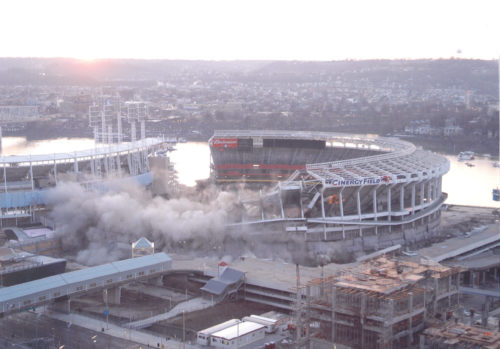
When a stadium reaches the end of its lifespan, taking it down is far more complex than knocking down walls and hauling away debris. It requires precise engineering, advanced equipment, and an experienced team capable of coordinating every detail. O’ROURKE Wrecking Company has led some of the most recognized stadium demolition projects across the United States. From professional sports venues to collegiate arenas, our team manages every phase safely and efficiently.
O’ROURKE leads stadium demolition with an engineering-first process, proven field controls, and clear communication with every stakeholder. We plan the means and methods, manage permits, coordinate with public agencies, and deliver clean, graded ground that is ready for construction.
Ready to talk through your stadium or arena demolition? Request a plan and timeline today.
Safe and Strategic Stadium Demolition
Every stadium demolition project begins long before equipment arrives on site. O’ROURKE develops detailed work plans based on engineering studies, 3D modeling, and safety assessments. These plans define the sequence of removal, load paths, and safety buffers.
We collaborate with engineers, owners, and municipalities to minimize disruption and protect nearby infrastructure. Our methods are designed for both safety and precision, especially when a stadium is located in a dense urban environment or near active roadways.
Each structure presents unique challenges, post-tensioned concrete, cantilevered seating decks, or complex steel truss systems. Our team evaluates these structural conditions and chooses the right combination of mechanical and controlled methods to bring them down efficiently. By managing logistics, scheduling, and permitting internally, O’ROURKE ensures that every step aligns with project timelines and safety standards.
Stadium Types We Demolish
Professional and minor league stadiums and arenas
Collegiate stadiums, fieldhouses, and natatoriums
Multi purpose domes and enclosed venues
Racetracks and grandstands
Training complexes and practice facilities
Demolition Methods and Equipment
The size and construction type of a stadium determine which demolition approach is best. O’ROURKE uses a range of specialized techniques, supported by a modern fleet of heavy machinery and equipment designed for large-scale dismantling.
Controlled Implosion
When conditions allow, controlled implosion can bring down a massive structure within seconds. This method requires extensive preparation—structural modeling, blast sequencing, vibration monitoring, and public safety planning.
Our engineers work with explosive specialists to design a pattern that ensures the structure collapses inward on its footprint. Crews perform weeks of interior stripping and pre-cutting before the blast, ensuring the load paths behave as predicted. After detonation, cleanup operations begin immediately, with dust suppression and debris hauling handled according to environmental guidelines.
Mechanical Demolition
Most stadiums are dismantled mechanically. This method uses high-reach excavators, hydraulic shears, and concrete pulverizers to remove structural components in phases.
Sections of the grandstand, press boxes, and structural steel are taken down methodically, ensuring that each step maintains site safety and stability. O’ROURKE’s operators use advanced attachments to shear through reinforced concrete and separate materials for recycling.
By combining high-reach equipment with precision cutting tools, our crews can dismantle massive structures efficiently without disturbing surrounding properties.
Selective and Interior Demolition
Before the main structure is removed, O’ROURKE performs selective interior demolition. Seats, signage, scoreboards, lighting systems, and HVAC components are removed for reuse, recycling, or proper disposal.
This stage allows for safe handling of electrical and mechanical systems and ensures that all materials are documented before removal. It also supports sustainable waste management, reducing the total debris volume that enters landfills.
Environmental Responsibility and Material Recycling
Stadium demolition often produces tens of thousands of tons of concrete, steel, and other materials. O’ROURKE has a long record of environmentally responsible practices that emphasize recycling and reuse.
Our crews separate materials on site using magnets, screening systems, and mobile crushing units. Concrete is crushed and repurposed as aggregate for new construction. Steel and metals are sorted and sent to regional recycling facilities.
On average, more than 90 percent of materials from a stadium demolition are recovered for reuse or recycling. This approach conserves natural resources and supports sustainable redevelopment of the site.
O’ROURKE complies with all EPA, OSHA, and state environmental standards, ensuring that air quality, stormwater management, and noise control are addressed throughout the project. When hazardous materials such as asbestos or PCB lighting are present, our environmental division handles abatement prior to demolition, keeping the process compliant and safe. Our goal is to leave a clean, developable site ready for new construction or public use.
Risk Management and Demolition Controls
Structural Stability
Sequencing and temporary measures protect stability as elements come down. We cut and remove members in a way that prevents unplanned loads. Engineering reviews confirm each step before crews proceed.
Dust, Noise, and Vibration
Air monitors track particulate levels. Misting systems address dust at the source and at perimeter lines. We set noise windows and use mufflers and equipment placement strategies. Vibration monitors track readings near sensitive structures and utilities.
Adjacent Property Protection
Many stadiums share property lines with arenas, labs, or housing. Our plans include debris curtains, scaffolding, and controlled exclusion zones. We survey adjacent buildings before work begins and document conditions with photos and video.
Utilities and Critical Infrastructure
Gas, electric, steam, chilled water, and communication lines often run under concourses and plazas. We verify routes, install protection where needed, and maintain access for campus and city operations. Any temporary outages are coordinated with owners.
Emergency Action Planning
We prepare for weather, equipment failures, and unexpected conditions. The team conducts drills, confirms backup communications, and maintains access for emergency response.
Why Choose O’ROURKE for Stadium Demolition
Selecting the right demolition contractor determines whether a complex stadium removal stays on schedule, on budget, and within safety limits. O’ROURKE Wrecking Company provides unmatched experience in large-scale and high-profile projects.
Proven Track Record: Decades of successful stadium, arena, and sports complex demolitions nationwide.
In-House Resources: Company-owned fleet of cranes, excavators, and specialized demolition attachments maintained to the highest standards.
Full-Service Capabilities: From pre-demolition abatement to site restoration and grading.
Experienced Crews: Long-term employees trained in heavy industrial demolition and environmental safety.
Client Collaboration: Transparent communication, scheduling updates, and dedicated project management.
Get Started on Your Stadium Demolition Project
Every stadium tells a story, but when it’s time for a new chapter, you need a demolition partner that understands scale and precision. O’ROURKE Wrecking Company brings decades of expertise, advanced equipment, and a commitment to safety that has earned the trust of cities, developers, and sports organizations nationwide.
Our team works with you from initial planning to final site restoration, ensuring that every phase meets engineering standards and environmental goals. If you’re planning a stadium demolition, contact us today to schedule a consultation or request a proposal.
Posted by Sean Cope on | Comments Off on Total Demolition
When a structure reaches the end of its use, O’ROURKE is the partner clients call for complete and controlled removal. Total demolition means taking down every part of a structure (steel, concrete, utilities, and foundations) until the site is ready for what comes next. With more than sixty years in the demolition and site-preparation industry, O’ROURKE delivers these projects safely, efficiently, and in full compliance with local and federal regulations.
Our teams manage projects across the Midwest and beyond. From aging industrial plants to city hospitals and commercial complexes, we bring the planning discipline, heavy equipment, and skilled workforce to handle demolition at any scale.
Call O’ROURKE today to schedule a total demolition consultation or request a bid.
What Is Total Demolition?
Total demolition is the complete removal of a building and its supporting structures down to the slab or below-grade foundations. It is often used when a facility is unsafe, contaminated, or being replaced with new development.
While selective demolition targets specific portions of a structure, total demolition clears the site entirely. This approach may include utility isolation, structural dismantling, debris removal, and final grading to prepare the land for future use.
Projects that require total demolition include:
Outdated manufacturing and energy facilities.
Damaged or condemned buildings.
Redevelopment sites that require full clearance.
Infrastructure replacements such as bridges or water towers.
O’ROURKE’s team assesses each site individually, ensuring all hazards, materials, and utilities are identified before work begins.
Our Total Demolition Capabilities
O’ROURKE Wrecking Company has the resources, manpower, and technology to handle demolition projects of any scale. Our experience covers a wide range of environments, from rural industrial zones to downtown city blocks.
Large-Scale Industrial and Commercial Demolition
Our team has completed some of the region’s most demanding industrial and commercial demolitions. We handle power plants, chemical facilities, and large warehouses where coordination with environmental and engineering teams is essential. Each project begins with a comprehensive plan that outlines safety protocols, waste management, and site restoration goals.
O’ROURKE’s crews work efficiently while minimizing disruption to nearby operations. We maintain continuous communication with site owners and contractors to ensure schedules and budgets remain on track.
High-Rise and Structural Demolition
High-rise and heavy structural demolition requires specialized equipment and trained operators. O’ROURKE uses high-reach excavators, hydraulic shears, and cranes for controlled dismantling of tall or reinforced structures. When necessary, we collaborate with licensed blasting engineers to execute precision explosive demolitions.
Before any demolition begins, our team conducts detailed engineering studies to understand load paths and potential collapse zones. Protective barriers and exclusion areas are established, ensuring worker and public safety throughout the project.
Bridge and Infrastructure Demolition
Bridge demolition calls for careful sequencing and environmental control. O’ROURKE has dismantled bridges, viaducts, and overpasses in active transportation corridors with minimal disruption to traffic and nearby residents.
Our methods include mechanical removal using cranes and saws, as well as controlled implosions when conditions allow. Coordination with state Departments of Transportation and local municipalities ensures full compliance with safety and environmental regulations.
The O’ROURKE Total Demolition Process
Every successful demolition project starts with a clear plan and a disciplined sequence of operations. O’ROURKE’s process is designed to manage risk, maintain environmental compliance, and minimize disruption to nearby properties.
Pre-Demolition Planning
Planning begins with a site evaluation. Our engineers and project managers perform detailed surveys to map utilities, structural conditions, and environmental factors. Permitting and coordination with local authorities are handled by our in-house compliance staff.
Environmental testing may identify asbestos, lead, or PCBs that require remediation prior to demolition. O’ROURKE coordinates closely with certified abatement teams to ensure the site meets all regulatory standards before heavy equipment moves in.
Controlled Demolition Execution
Once the site is prepared, demolition begins using the method best suited to the structure. For large concrete and steel buildings, we use high-reach excavators, shears, and hydraulic hammers. Compact sites may require smaller mechanical equipment and precise sequencing to protect surrounding structures.
All work is directed by supervisors certified in OSHA and MSHA standards. They manage operator rotation, equipment inspections, and real-time adjustments for weather or site conditions. For complex structures, 3D modeling and drone mapping are used to track progress and ensure safe load distribution during teardown.
Debris Management and Recycling
After structural removal, debris is processed on-site for sorting and recycling. Concrete and masonry are crushed for reuse as fill or aggregate. Steel and non-ferrous metals are separated and transported to regional recycling facilities.
Recycling reduces landfill waste and often lowers the total project cost for clients. O’ROURKE’s team tracks and reports material diversion rates to support LEED certification or sustainability goals.
Site Restoration
When the last load leaves the site, our grading crews shape and compact the ground for redevelopment. We provide erosion control, temporary stabilization, and backfilling where required. For clients planning new construction, O’ROURKE can integrate excavation and utility trenching into the final phase, streamlining the transition from demolition to building.
Safety and Environmental Commitment
Demolition is inherently complex, but safety and environmental protection define every O’ROURKE project. Each site follows a detailed safety plan tailored to local conditions and project scale. This includes hazard analyses, fall protection systems, confined-space procedures, and constant monitoring.
Dust and noise are controlled using misting systems, water cannons, and real-time air-quality monitors. Equipment is fitted with Tier 4 Final engines to reduce emissions. Vibration sensors are placed near neighboring structures to ensure compliance with local tolerances. O’ROURKE’s environmental specialists coordinate disposal of hazardous materials under EPA and RCRA guidelines. Every phase is documented for transparency and audit readiness.
Why Clients Choose O’ROURKE for Total Demolition
Clients across the Midwest choose O’ROURKE because of experience, capability, and performance consistency.
Proven Track Record: Over sixty years of safe and successful demolition projects.
Complete Project Management: Planning, permitting, and debris recycling under one roof.
Union-Trained Workforce: Skilled operators and supervisors with certifications in safety and environmental standards.
Commitment to Quality: Every project is executed with clear communication and verified compliance documentation.
O’ROURKE’s clients include major contractors, developers, municipalities, and federal agencies that rely on dependable results under strict deadlines.
Partner with O’ROURKE for Your Next Total Demolition Project
When a facility reaches the end of its life cycle, the next step requires precision, safety, and trusted experience. O’ROURKE provides full-service total demolition—from planning and permitting through final grading and restoration.
Our in-house team coordinates every phase with the same attention to detail that has defined the company since 1962. Whether your project involves a small commercial teardown or a multi-acre industrial clearance, O’ROURKE ensures the work is done safely and efficiently.
Posted by Sean Cope on | Comments Off on Old Building Demolition
Old buildings often hold architectural, historical, and sentimental value. But when these structures become unsafe or no longer meet modern standards, professional demolition becomes essential. O’ROURKE has decades of experience managing complex demolitions for older buildings, aging facilities, historic landmarks, and commercial properties throughout the Midwest. Each project is planned with precision, using proven techniques that protect workers, surrounding properties, and the environment.
Our demolition teams bring a combination of technical skill and practical knowledge earned from years on construction and redevelopment sites. From large-scale commercial teardowns to delicate dismantling in downtown districts, O’ROURKE has built a reputation for completing projects safely and efficiently while meeting strict regulatory standards.
Expert Demolition for Older Buildings and Historic Structures
At O’ROURKE, headquartered in Cincinnati, Ohio, we specialize in old building demolition for commercial and industrial structures throughout the Midwest. Our team handles projects that demand technical precision, structural awareness, and environmental responsibility.
Whether it’s a century-old factory in Indiana, a brick office complex in Kentucky, or an outdated warehouse in southern Ohio, O’Rourke provides a complete demolition solution that leaves your site clean, compliant, and ready for what’s next.
Experience That Matters
Old buildings require a different kind of demolition expertise. Many were built before modern codes existed and contain materials like asbestos, lead-based paint, or insulated piping that need special handling. Our team has managed projects involving structures built from as early as the 1800s. We’ve seen every type of construction method and understand how to dismantle these structures safely and efficiently.
O’ROURKE’s crews are trained to assess every detail before work begins and bring decades of experience to every site. From historic brick façades to steel-frame manufacturing plants, we develop a strategy tailored to your building’s age, material composition, and surrounding environment.
Understanding the Challenges of Older Buildings
Each demolition project carries a unique set of risks, often tied to the building’s age, materials, and layout. O’ROURKE approaches these sites with detailed planning and field-tested safety measures.
Historic and Sensitive Structures
Preservation goals are common on older sites. Our team coordinates with the owner’s architect and the local preservation board to define façade retention boundaries, salvage items, and preserve historical pieces. Non impact techniques may be used near fragile elements.
Structural Instability
Old foundations, weakened load-bearing walls, and corroded steel can make a building unpredictable. Before demolition, O’ROURKE performs a complete survey to identify vulnerable areas and determine whether bracing or selective dismantling is necessary. Stabilization prevents unplanned collapses and protects both workers and surrounding properties.
Hazardous Materials
Many older buildings contain materials that are no longer safe for human contact. Asbestos insulation, lead-based paint, mercury switches, and PCBs are common in facilities built before the 1980s. O’ROURKE’s environmental specialists handle these hazards with certified abatement teams. This process includes sampling, containment, and disposal under EPA and OSHA standards. By combining demolition and environmental services, you can avoid delays and ensure full compliance with all regulations.
Limited Site Access
Downtown areas and industrial zones often leave little room for staging or debris removal. O’ROURKE adapts demolition plans to fit these restrictions. High-reach excavators work vertically to minimize ground impact, while smaller remote-controlled machines can access basements and tight corners. Material is loaded into sealed containers and removed on a set schedule to avoid disrupting traffic or nearby businesses.
These controlled operations demonstrate O’ROURKE’s ability to balance productivity with safety and community consideration.
Demolition for Redevelopment and New Construction
Many demolition projects mark the start of something new; A parking structure giving way to a hospital expansion or a vacant warehouse making room for mixed-use development. O’ROURKE’s services extend beyond demolition alone. Clients rely on the company for site preparation, excavation, and site grading once debris is cleared.
Materials Management and Recycling
Old buildings carry a wide variety of materials. We plan for it and separate the materials for recycling throughout the project. Managing the demolition waste responsibly is a major part of O’ROURKE’s value to clients. Concrete and masonry are crushed for aggregate reuse. Steel and non ferrous metals are segregated. Clean dimensional lumber may be salvaged. Doors and architectural items can be reclaimed when requested. We provide diversion reports that show tonnage and percentages by material type.
These recycling efforts lower disposal costs and reduce the environmental impact of redevelopment. O’ROURKE tracks waste diversion metrics and provides clients with documentation showing material recovery rates. For projects seeking LEED certification, this data supports sustainability credits and demonstrates compliance with green building goals.
Why Developers and Municipalities Choose O’ROURKE
O’ROURKE Wrecking Company is one of the Midwest’s most established demolition contractors. With headquarters in Cincinnati and projects spanning Ohio, Indiana, Kentucky, and beyond, we have served public and private clients for over six decades.
Several Factors Define O’ROURKE’s Reputation
Proven Experience: Thousands of successful demolitions across industrial, commercial, and municipal sectors.
Comprehensive Services: Full environmental remediation, site preparation, and recycling capabilities.
Skilled Workforce: Certified operators and technicians with extensive safety training.
Advanced Equipment: A large fleet of excavators, cranes, and specialty attachments for high-reach and selective demolition.
Insurance and Compliance: Complete coverage and documentation that meet all local, state, and federal requirements.
O’ROURKE’s long-standing relationships with regional developers and public agencies demonstrate trust built through consistent performance. Whether removing a single structure or clearing an entire complex, the company provides predictable results backed by a detailed plan and measurable outcomes.
Serving Clients Across the Midwest
O’ROURKE provides demolition services to a wide range of clients, including municipalities, universities, property managers, and private developers. The company’s regional coverage includes major metro areas such as Cincinnati, Columbus, Indianapolis, Louisville, and Nashville.
Clients turn to O’ROURKE for both large and small demolitions. Whether removing a single outdated building or clearing multiple city blocks, the company applies the same detailed planning and commitment to quality.
Ready to Plan Your Old Building Demolition?
Whether you’re redeveloping a city block, modernizing an industrial site, or preparing land for new construction, O’ROURKE delivers the expertise and equipment to do it right.