We don’t believe in shortcuts when it comes to asbestos. Our process is designed to meet every regulatory requirement while protecting building occupants, workers, and the environment. Here’s how we approach every project:
Detailed Surveys and Asbestos Testing
The first step in any abatement project is knowing what you’re dealing with. We provide a clear report showing where asbestos is located and whether it’s friable (easily crumbled and airborne). From there, we help you understand your legal obligations and project options. Our certified inspectors conduct full surveys of your property, including:
– Visual inspections of suspect materials
– Bulk sampling of insulation, tile, and surface coatings
– Coordination with accredited labs for analysis
– Documentation of asbestos type (chrysotile, amosite, etc.), condition, and quantity
Project Planning and Regulatory Coordination
We handle all the paperwork, notifications, and logistics so you can focus on the rest of your project. This includes:
– Defining the scope of removal or encapsulation
– Assessing occupancy status and containment requirements
– Creating a schedule that minimizes disruption
– Preparing worksite safety and air monitoring plans
– Obtaining permits from Metro Nashville, TDEC, and other local agencies
Safe Containment, Removal, and Disposal
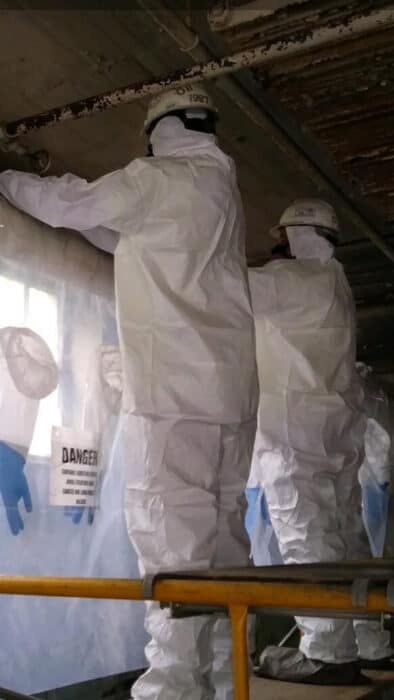
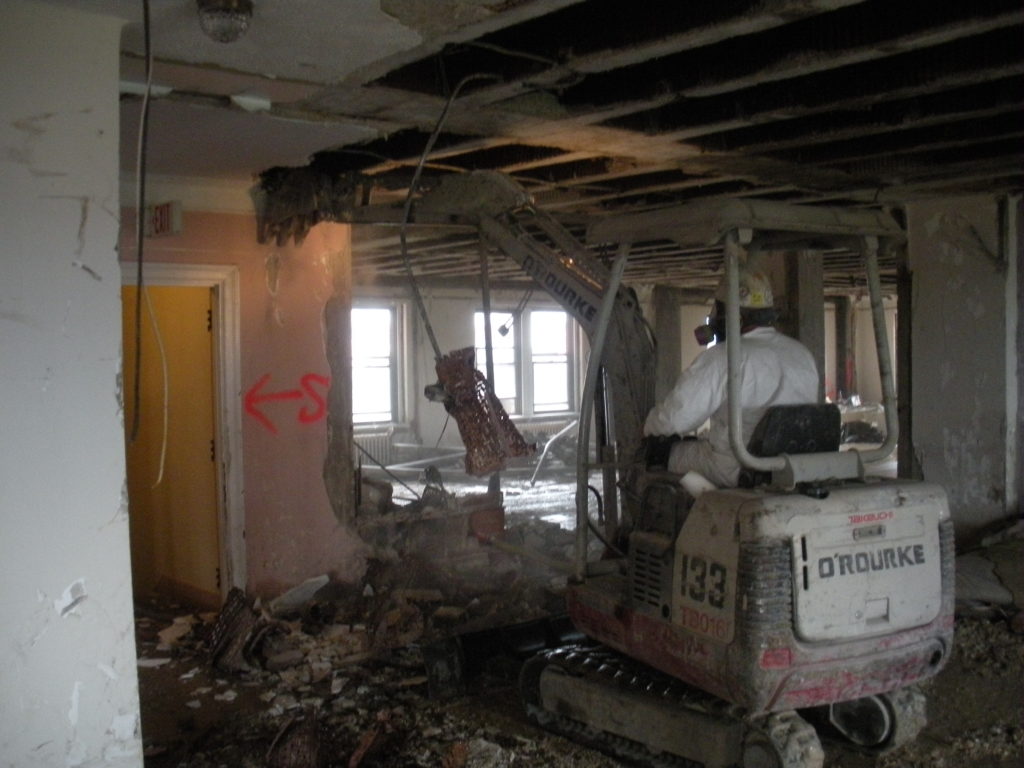
Our crews follow OSHA standards for respiratory protection and personal safety. We document every step and provide detailed logs for your records. When it’s time to begin removal, we implement strict controls to contain and eliminate asbestos fibers:
– Full negative-pressure containment setups
– Poly-sheet barriers and sealed work zones
– HEPA-filtered air scrubbers running 24/7
– Wet removal methods to minimize dust
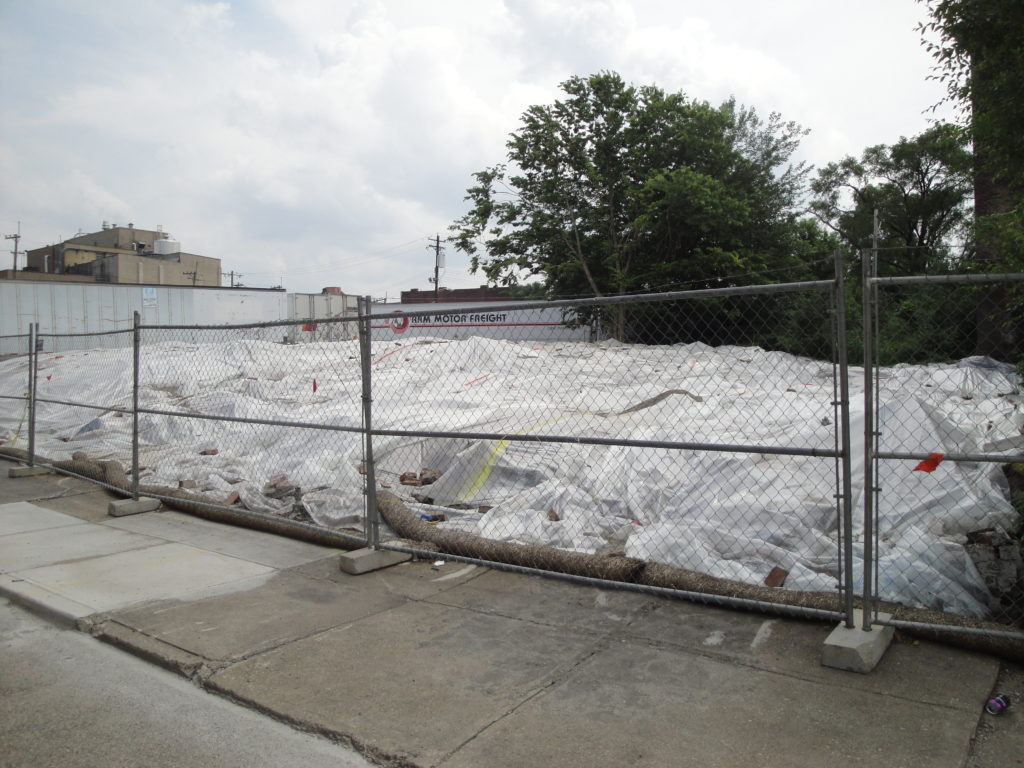
– Proper decontamination and waste packaging
– Transportation to licensed hazardous waste landfills
Post-Abatement Clearance and Documentation
Before we leave a site, we verify that the air is clean and the space is safe. This is essential for project close-out, real estate transactions, and future liability protection. That includes:
– Visual clearance inspections by a third-party professional
– Final air monitoring using aggressive sampling
– Lab results confirming airborne fiber levels are below regulatory thresholds
– A formal clearance report and documentation package