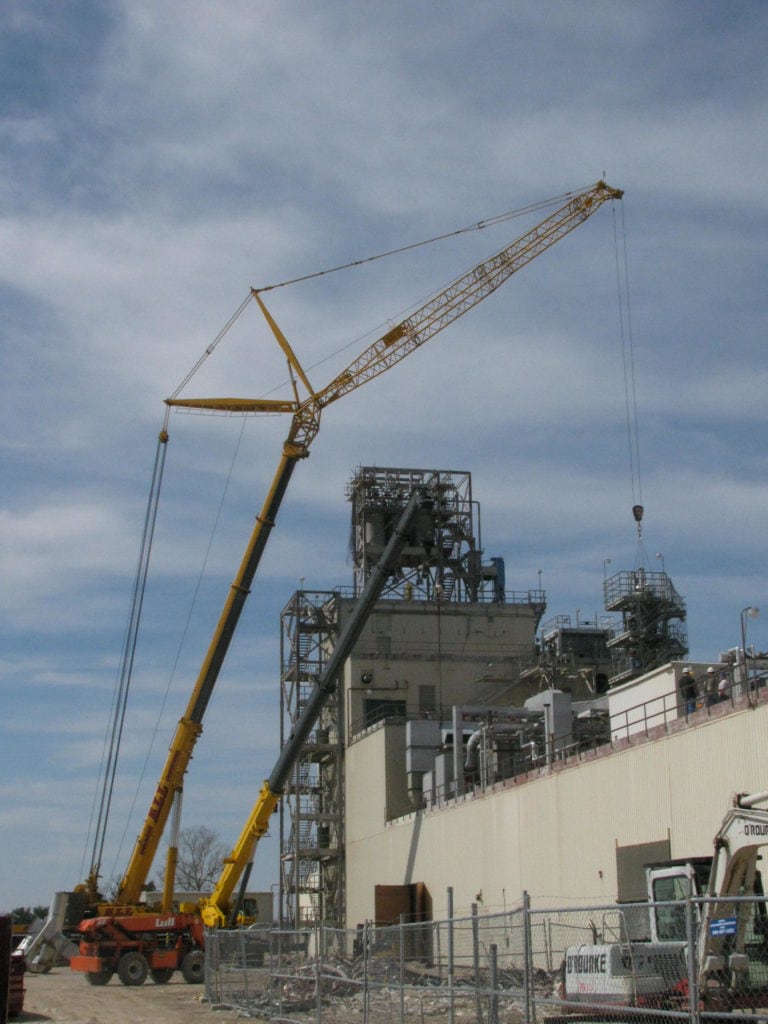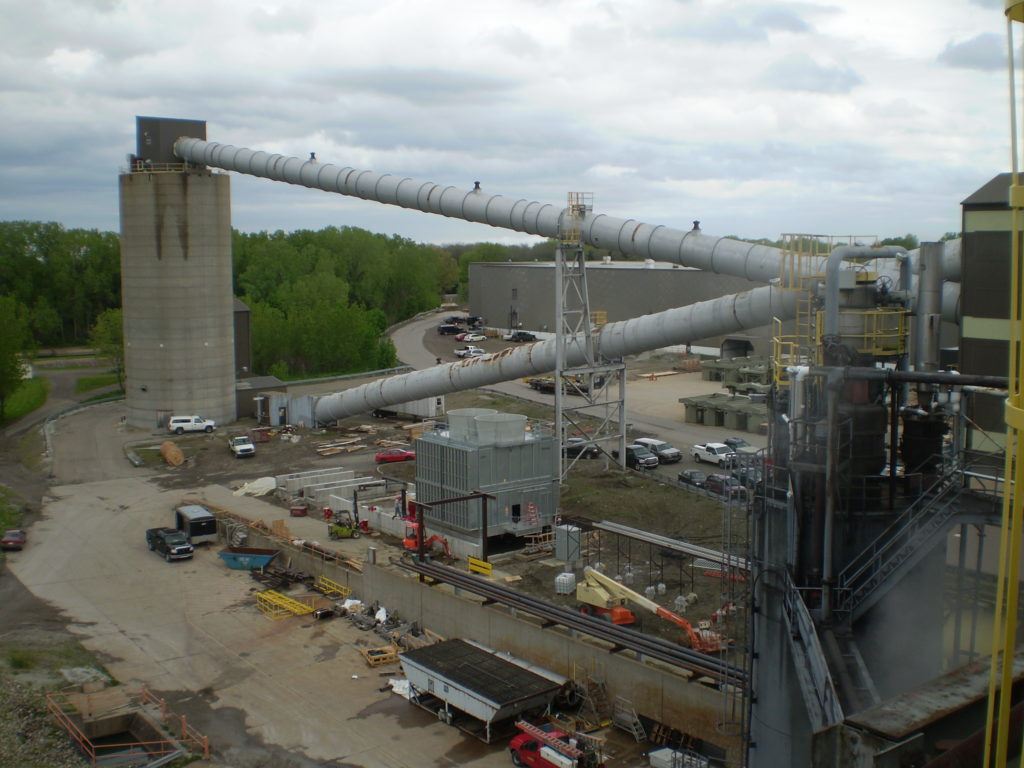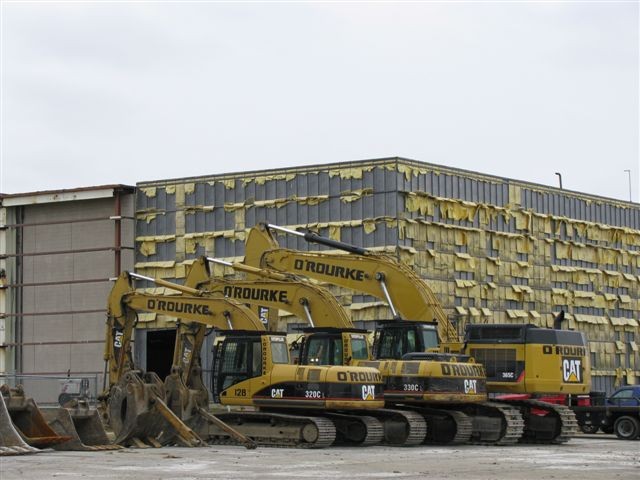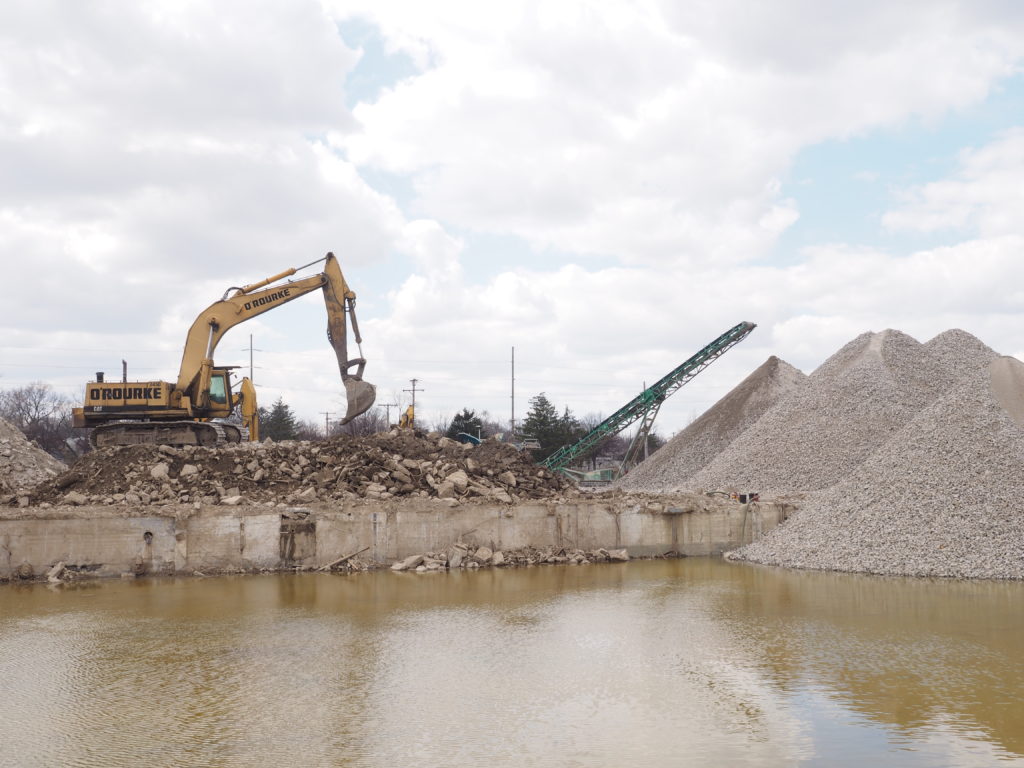

At O’ROURKE, we believe demolition doesn’t have to come at the environment’s expense. That’s why we offer green demolition services, a smarter, more responsible way to dismantle buildings, recover materials, and reduce waste. Whether you’re targeting LEED certification, following ESG guidelines, or simply trying to do right by your community, we bring decades of experience and a clear plan to help you minimize environmental impact while staying on schedule.
What Is Green Demolition?
Green demolition refers to the process of dismantling structures with a focus on maximizing salvage, minimizing waste, and protecting the surrounding environment. It includes selective teardown, material recovery, low-emission equipment, and strict compliance with environmental regulations.
Unlike traditional mechanical demolition that sends everything to the landfill, green demolition slows things down when needed. It allows reusable materials to be separated and recycled or repurposed. It’s more than a demolition method. It’s a sustainable construction strategy that starts where old buildings end. We’ve seen owners, contractors, and developers use green demolition to:
- Offset costs through material salvage
- Earn LEED points on redevelopment
- Protect surrounding land and water
- Create safer job sites for workers and neighbors
Our Approach to Sustainable Demolition
We tailor every green demolition project based on site constraints, goals, and environmental risks. Before we ever bring in machines, we work with licensed environmental professionals to understand the conditions beneath and around your site. We’re also flexible. If your LEED consultant or architect has specific goals, we work within that framework to support documentation and performance benchmarks.
- Perform Phase I and Phase II Environmental Site Assessments (ESAs)
- Coordinate with remediation teams during contaminated site work
- Establish waste diversion goals and reporting standards
- Sequence teardown to salvage high-value materials first
- Keep crews trained on environmental protocols and handling
Materials Commonly Recovered Through Green Demolition
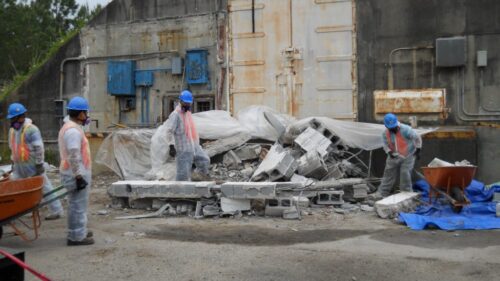
Many demolition projects contain significant recoverable value. Our teams focus on materials with proven recycling or reuse pathways. Material recovery depends on building age, condition, and project goals, which is why early evaluation is critical. Nothing is treated as generic debris. Our foremen and equipment operators are trained to recognize materials worth saving and to handle them safely.
- Commonly recovered materials include:
- Structural steel and non-ferrous metals
- Concrete and masonry for crushing and reuse
- Wood framing and architectural lumber when feasible
- Mechanical, electrical, and plumbing components
- Doors, fixtures, and architectural elements
Deconstruction vs. Mechanical Demolition
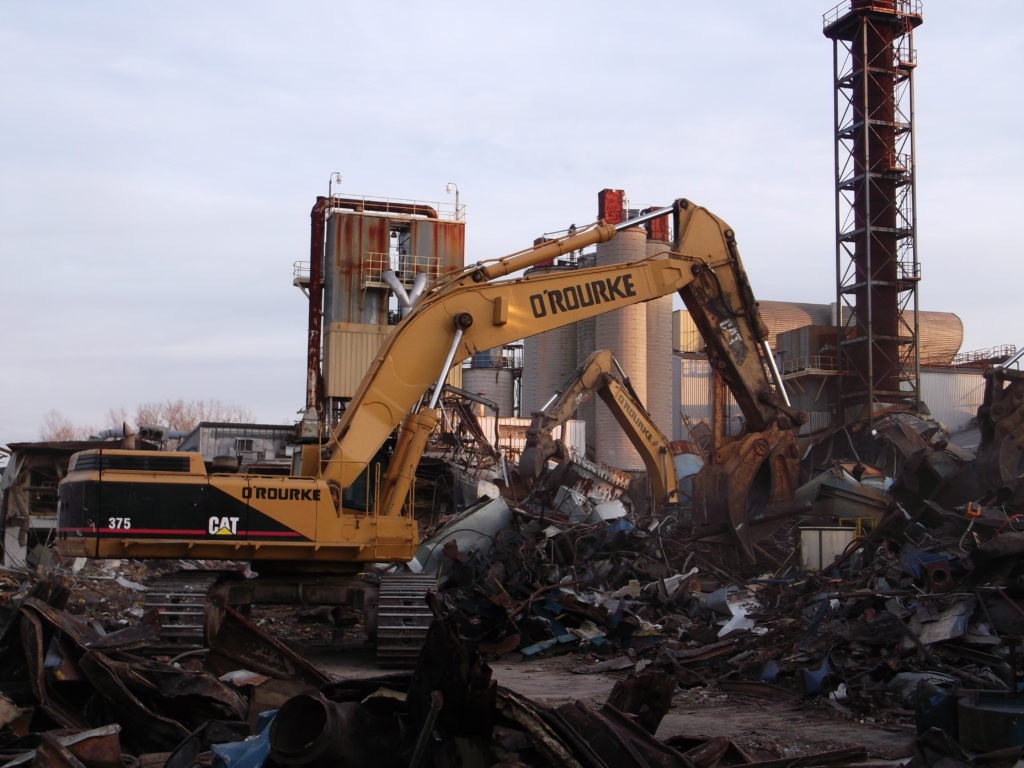
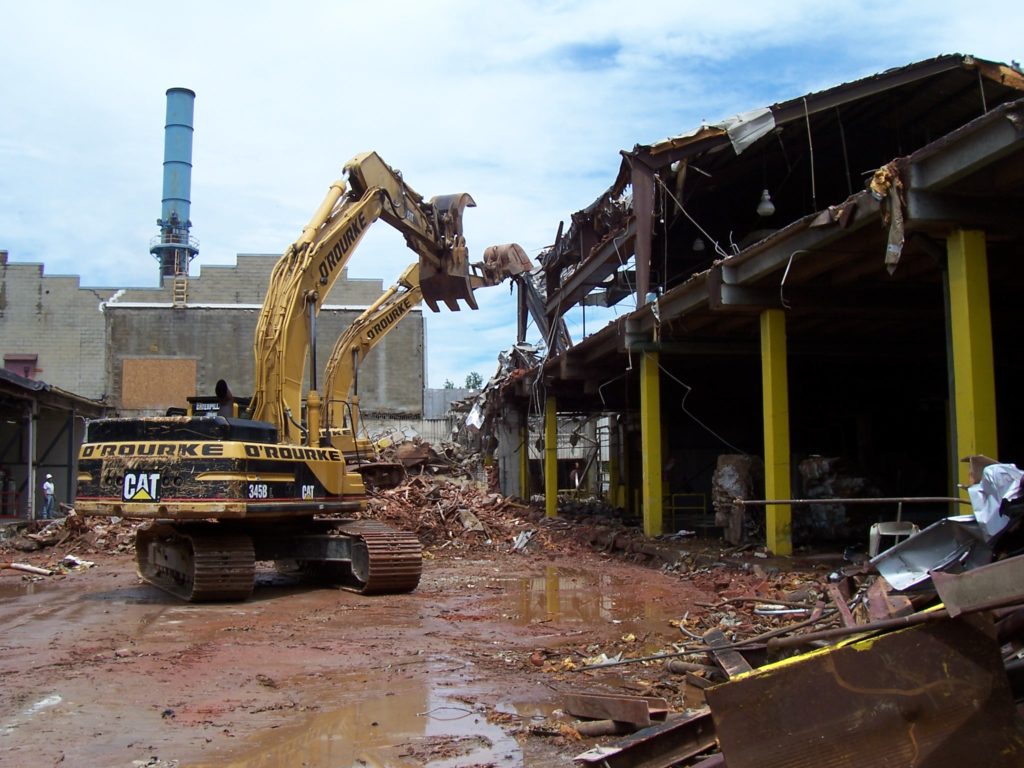
Not every structure needs to be pulled down by an excavator. In many cases, we use a hybrid approach: mechanical demo for the structural shell, and manual deconstruction for interior finishes, millwork, or items that can be donated or reused.
- Schools may require fixture removal for donation
- Historic buildings may contain salvageable hardwood flooring
- Commercial spaces might be stripped before mechanical demo starts
- We assess each job during planning and decide what balance of labor, equipment, and salvage makes the most sense.
Waste Tracking and Reporting
If you’re pursuing LEED certification, government funding, or working under a sustainability mandate, documentation matters. We’ll help you meet or exceed waste reduction targets, and we’ll document it clearly so there’s no guesswork at project closeout. We provide detailed waste diversion reports, including:
- Tonnage by material type
- Reuse vs. recycling breakdown
- Landfill diversion rates
- Source and destination of salvaged materials
Air, Soil, and Water Protections
Green demolition isn’t just about what happens to materials. It’s also about protecting what surrounds the site. We use engineered controls to contain debris, prevent runoff, and keep air and water clean. We take extra care around wetlands, residential neighborhoods, schools, and hospitals—anywhere the impact of dust, noise, or vibration could be greater. Our environmental controls include:
- Dust suppression systems (misting, water cannons, negative air machines)
- Stormwater pollution prevention plans (silt fences, drain covers, and BMPs)
- Hazardous material handling (asbestos, lead, PCBs removed before general demo)
When Green Demolition Makes Sense
Brownfield Redevelopment
When contamination is confirmed, demolition and remediation must work hand in hand. Our experience on brownfield projects across Ohio and the Midwest helps ensure that demolition supports the site’s long-term cleanup and development. We coordinate with your environmental consultants to:
- Prevent cross-contamination during structure removal
- Sequence demolition around soil or groundwater remediation
- Provide safe access for ongoing sampling or abatement
Projects Seeking LEED or ESG Goals
For developers targeting LEED certification or reporting ESG metrics, waste diversion, carbon reduction, and environmental safety are critical. We sequence carefully, communicate with stakeholders, and ensure our impact is kept as low as possible. We support those goals through:
- Material diversion reporting for LEED MR credits
- Dust and erosion control for sustainable site compliance
- Documentation to support ESG audit trails
- Sensitive Facilities and Urban Sites
- Hospitals, schools, and downtown projects demand care, control, and precision. We’ve performed green demolitions next to:
- Active healthcare facilities (coordinating noise, dust, and shift work)
- Public K-12 schools (timing work during summer or off-hours)
- Tight infill sites (using compact, electric machines)
Planning and Pre-Demolition Assessments
Every green demolition project starts with a conversation. We don’t roll up with machines until we understand the site, the goals, and the opportunities to minimize environmental impact. We also identify potential reuse pathways early on—whether that’s crushing concrete on-site or salvaging wood trim for local reuse. This level of planning helps keep the project efficient, compliant, and aligned with your sustainability goals. Our planning services include:
- On-site walkthroughs with engineers and consultants
- Sequencing analysis to prioritize salvage
- Utility and subsurface obstruction mapping
- Hazardous materials evaluation and coordination
Why Owners and Developers Choose Green Demolition
Project stakeholders face increasing pressure to demonstrate environmental responsibility. Green demolition provides a practical way to meet those expectations while maintaining cost and schedule control. Green demolition also supports long-term site value. Clean material separation and proper documentation help prepare properties for future use without lingering compliance issues. Owners and developers choose green demolition for several reasons:
- Reduced landfill disposal and tipping fees
- Improved material recovery value for metals and aggregate
- Support for sustainability reporting and certification goals
- Alignment with municipal or state redevelopment programs
- Stronger community perception during visible demolition work
Why Choose O’ROURKE for Green Demolition?
Experience that Reduces Risk: We have specialized in complex dismantling since the early 1960s. Every superintendent on a green demolition job has logged thousands of field hours and holds current OSHA-30 and HAZWOPER credentials. Our safety culture shows in an Experience Modification Rate below 0.70, a figure that keeps insurance premiums low and schedules steady.
Integrated Services Under One Roof: Because we self-perform abatement, selective deconstruction, concrete crushing, metal recycling, earthwork, and final grading, you avoid the delays and mark-ups that come with multiple subcontractors. A single project manager steers everything from the initial material audit through the last seed blanket.
Measurable Sustainability: Our diversion rate typically lands between 70 and 95 percent. Each outbound load carries a QR-coded tag that links to weight tickets, photos, and destination addresses. You receive live dashboard access plus a close-out packet that drops straight into LEED Online or Green Globes portals.
Modern, Low-Emission Fleet: Tier 4 Final excavators, hybrid electric-hydraulic shears, atomized mist cannons, and GPS-guided graders form the backbone of our work. Owning this equipment lets us mobilize in days instead of weeks and keeps carbon, noise, and dust well below regulatory limits.
Documented Cost Savings: On-site concrete crushing replaces imported fill. Scrap steel moves to local mills within hours, earning real-time revenue credits. Fewer waste hauls translate into lighter tipping fees and less fuel burned on the highway. We include a line-item comparison so you see where every dollar stays in your pocket.
Transparent Communication: Daily reports list diversion progress, crew counts, equipment hours, and safety observations. Stakeholders—owners, architects, regulators—see exactly what we see. No surprises, no hidden line items.
Regulatory and Community Wins: Clean, quiet sites secure permits faster and draw positive media coverage. Developers often leverage our diversion stats to strengthen ESG filings or meet municipal green-building ordinances.
Dedicated Sustainability Coordinator: One point of contact manages all submittals, tracks material flows, and prepares final documentation. That frees your team to focus on design, financing, and tenant build-outs.
Prompt, No-Charge Project Review: Send over your drawings or invite us to walk the site. Within one business day we return a high-level diversion estimate, a safety outline, and a preliminary schedule.