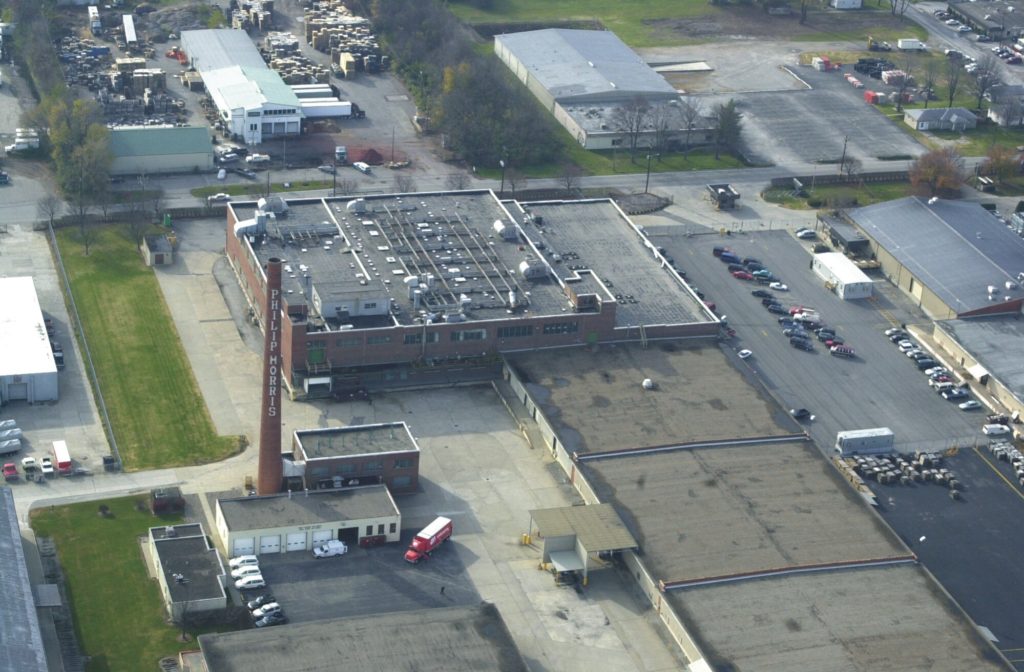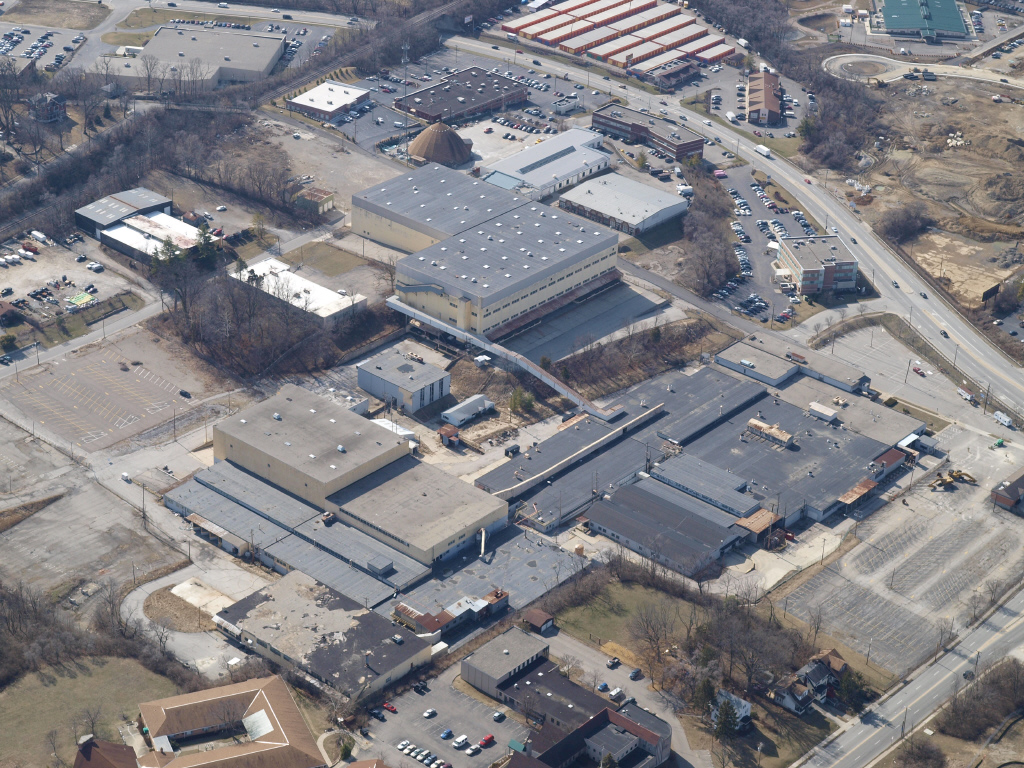

Most commercial and industrial buildings constructed before the 1980s contain something the original architects never gave a second thought to: hazardous materials. Asbestos wrapped around pipes and tucked into floor tiles. Lead paint layered onto walls. PCBs in old electrical equipment. Mercury in switches and thermostats. Before a single wall comes down, all of it has to come out safely, legally, and in the right order.
That’s why demolition and abatement aren’t really two separate services. They’re two phases of the same project, and how a contractor handles the handoff between them determines whether the job finishes on time and on budget or turns into a stop-work order waiting to happen.
What Does “Demolition & Abatement” Mean?
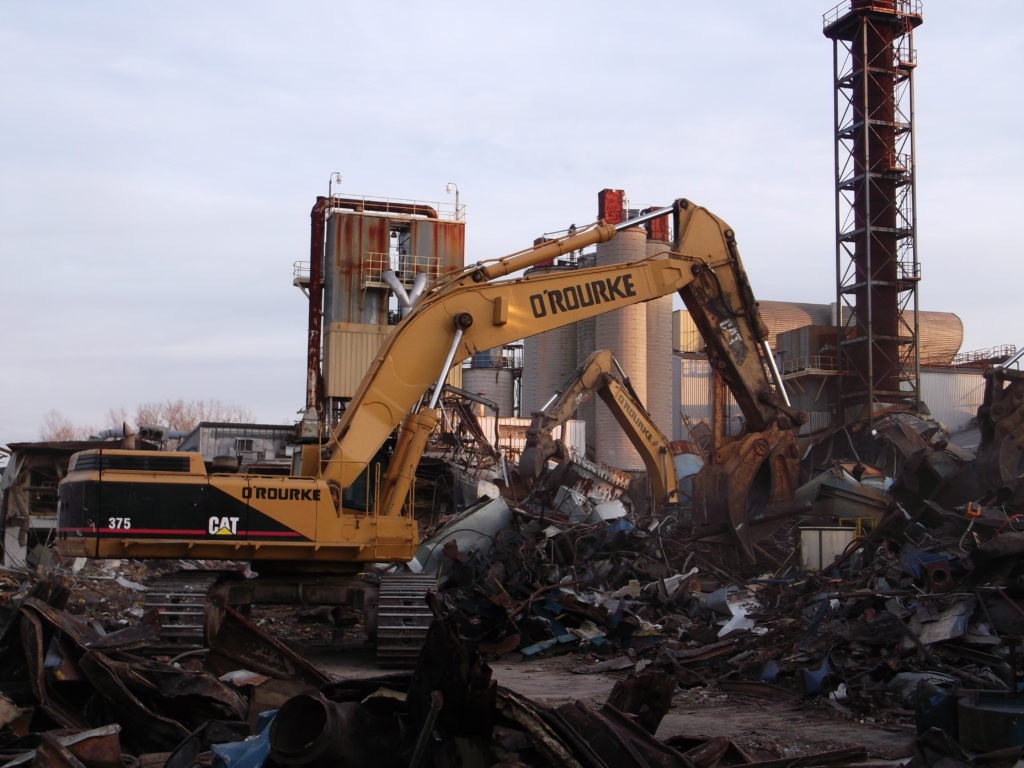
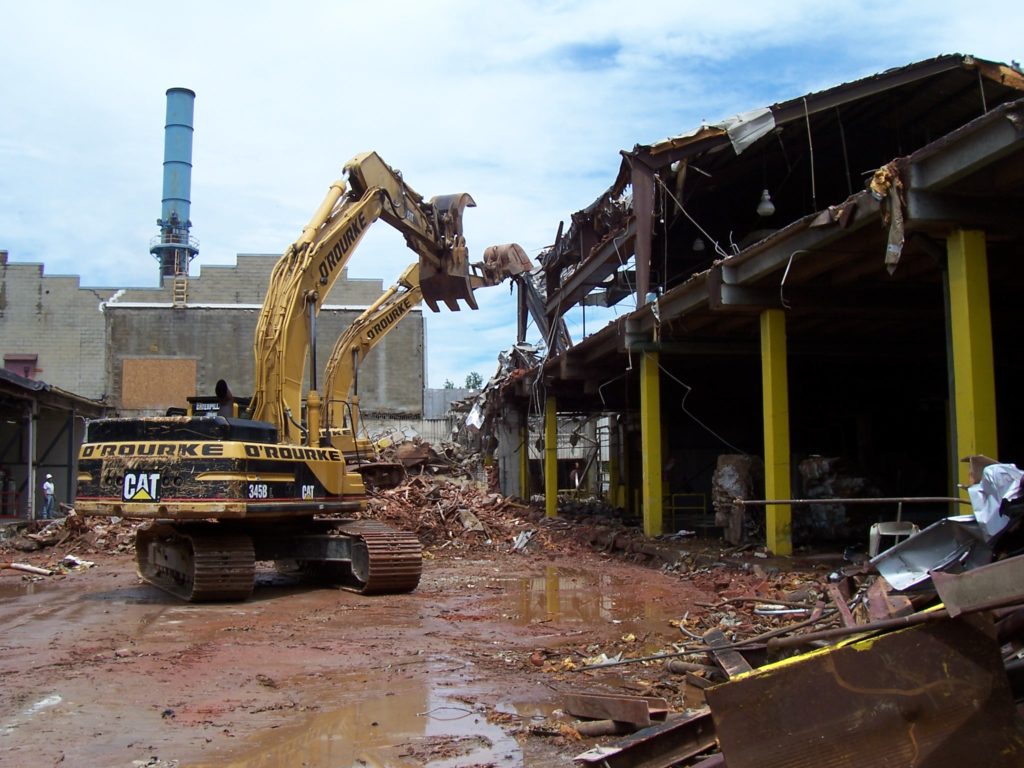
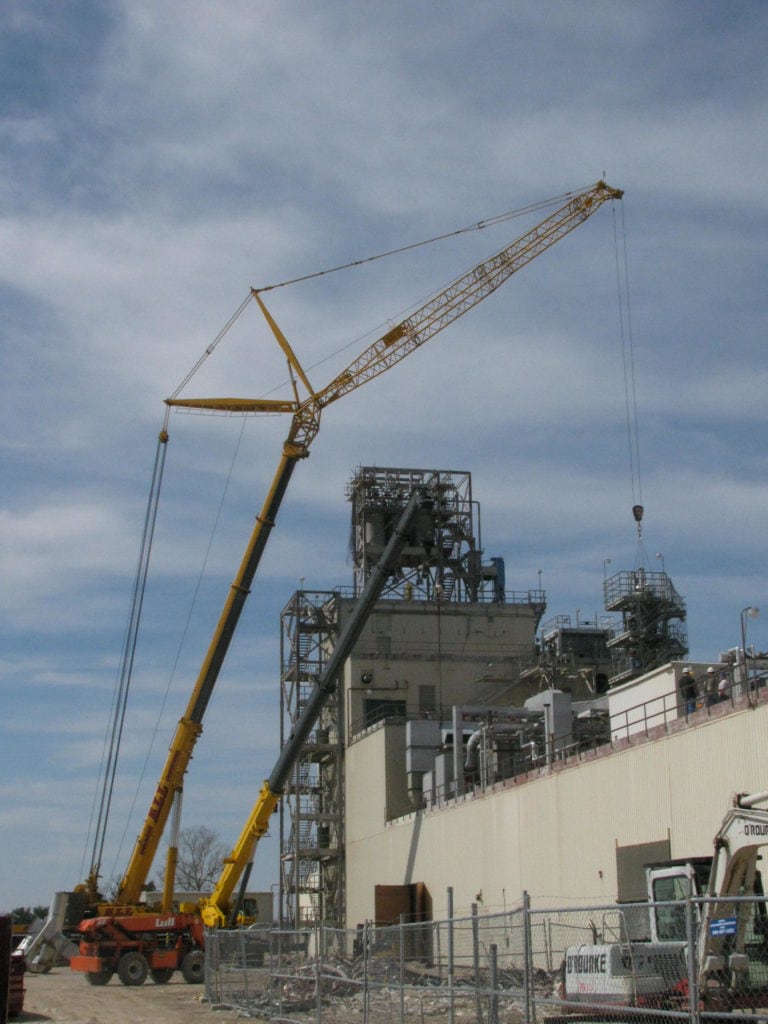
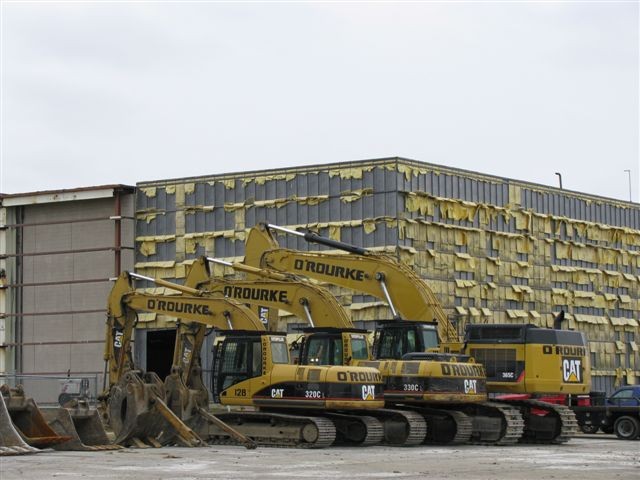
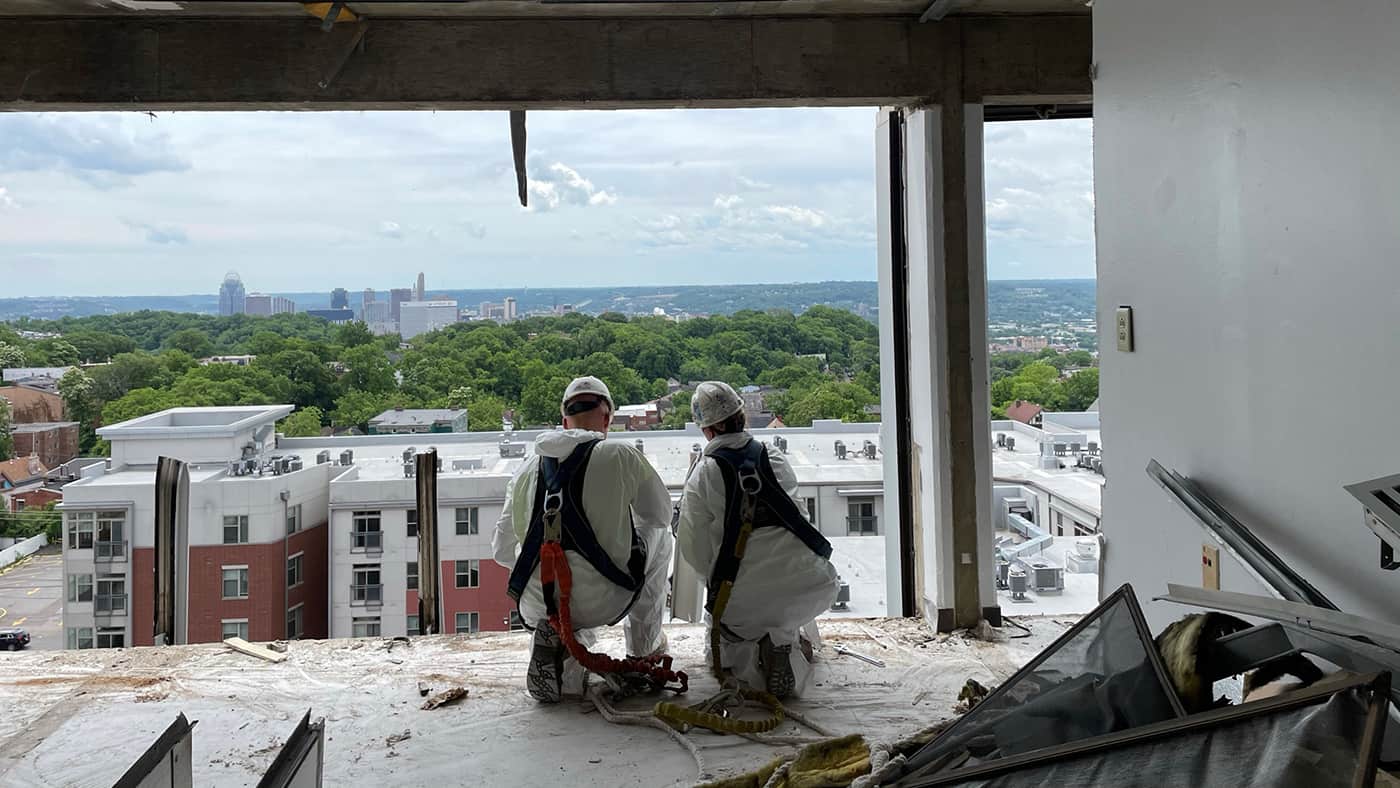
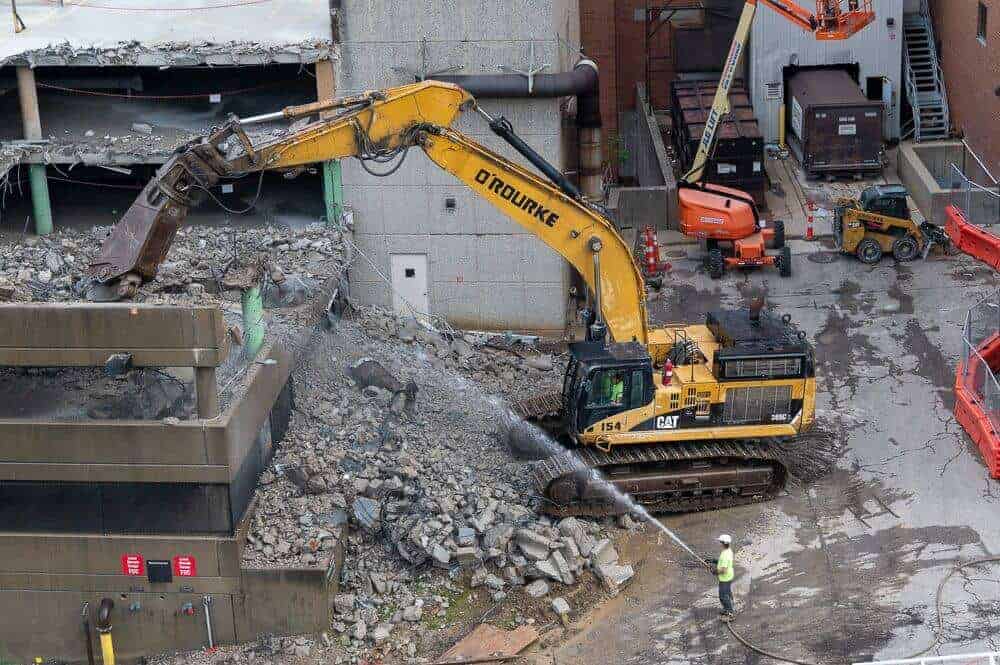
Demolition is the structural removal of buildings, foundations, slabs, equipment, and infrastructure. It’s the part most people picture: excavators, shears, dust suppression, debris hauled out by the truckload.
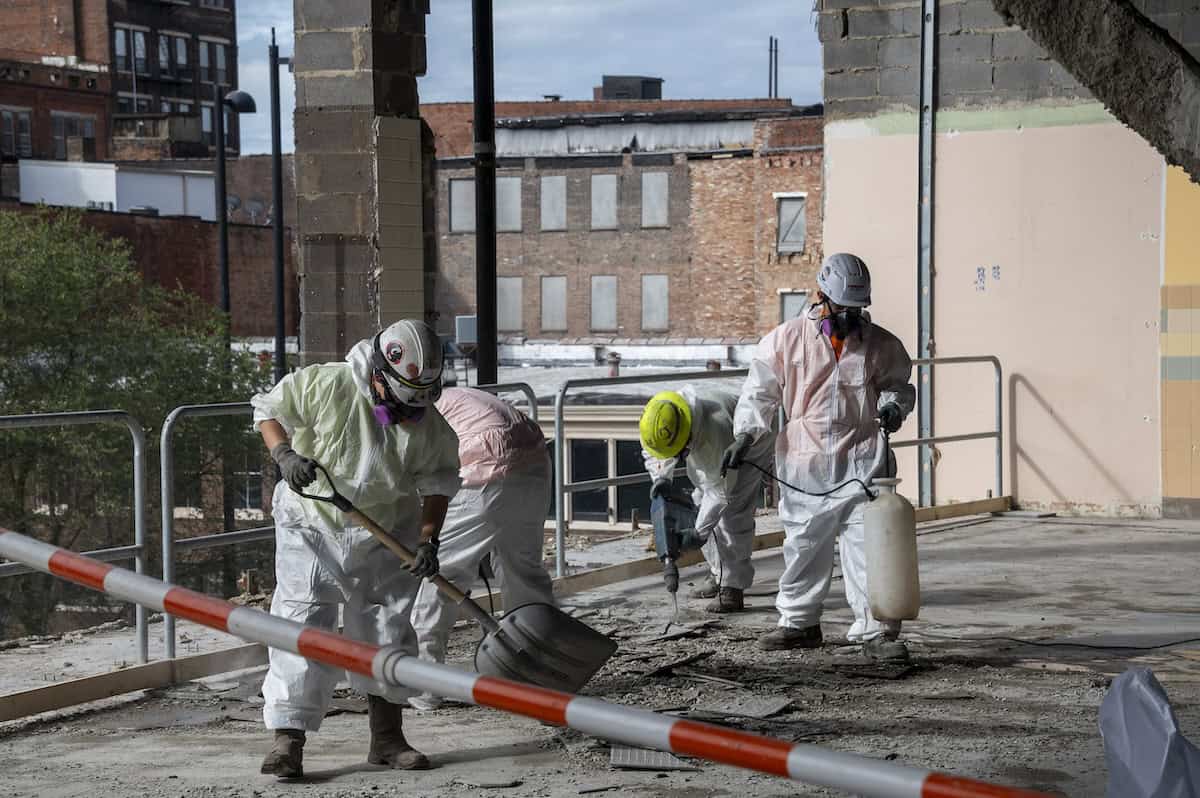
Abatement is the identification, containment, and removal of hazardous materials before structural work begins. On commercial and industrial sites, that almost always means one or more of the following:
- Asbestos in insulation, floor tile, mastic, transite siding, fireproofing, and gaskets
- Lead-based paint on structural steel, walls, and trim
- PCBs in transformers, capacitors, light ballasts, and certain caulks
- Mold in water-damaged areas
- Mercury in switches, thermostats, and certain process equipment
- Contaminated soils from decades of industrial operations
These two services are closely connected because demolition activity can disturb building materials that have been sitting in place for decades. A wall system may contain asbestos. A steel beam may be coated with lead-based paint. A mechanical room may contain mercury switches, fluorescent lamps, refrigerants, old oils, or other materials that need to be handled separately.
Why Combine Demolition & Abatement Under One Contractor
Almost every building we work on has something in it that needs to come out before the wrecking ball swings. Asbestos in the floor tile and pipe insulation. Lead in the paint. PCBs in old transformers. Mercury in the thermostats. If a building was put up before the early 1980s, you should assume something regulated is in there until a survey proves otherwise — and even newer buildings turn up surprises.
Most demolition contractors sub the abatement work out. That’s where projects start to slip. Two crews on different schedules. Two project managers with different priorities. Two safety programs that don’t quite line up. Every handoff is a chance for something to fall through the cracks — and on a regulated job, cracks get expensive.
When O’ROURKE handles both scopes, you get one team running the whole sequence:
Single point of contact: One project manager, one schedule, one set of safety protocols. When something changes in the field — and something always does — there’s one person making the call.
Faster project timelines: Our abatement and demolition crews work for the same company, so they coordinate directly. As soon as a containment area gets cleared, demo can move in. No waiting on a sub to finish closeout paperwork before the next phase can start.
Lower total cost: No markup on subbed-out abatement work. No rework when scopes overlap or get missed. No change orders triggered by communication gaps between contractors.
Unified safety and compliance: One EMR, one set of insurance certs, one chain of custody for waste manifests. If something goes sideways, there’s no question about who owns it.
What Happens If Hazardous Materials Are Found Mid-Demolition?
Even with planning, some materials are not discovered until work begins. Buildings are often altered many times over their service life. Old repairs, hidden chases, undocumented additions, buried tanks, abandoned mechanical systems, and concealed materials can create surprises.
If suspect hazardous materials are found during demolition, the safest approach is to stop work in the affected area and secure the material. The project team may need to bring in qualified professionals to inspect, sample, or test the material. If it is regulated, the work plan may need to be revised. Abatement crews may need to remove or contain the material before demolition resumes.
A typical response may include:
- Stop work in the affected area
- Secure and isolate the material
- Notify the project team
- Sample and test if needed
- Revise the work plan
- Bring in licensed abatement crews
- Document the response
- Resume demolition once the area is cleared
This is one reason it helps to work with a demolition contractor that understands abatement. When site conditions change, the response needs to be fast, organized, and properly documented.
O’ROURKE’s Integrated Approach
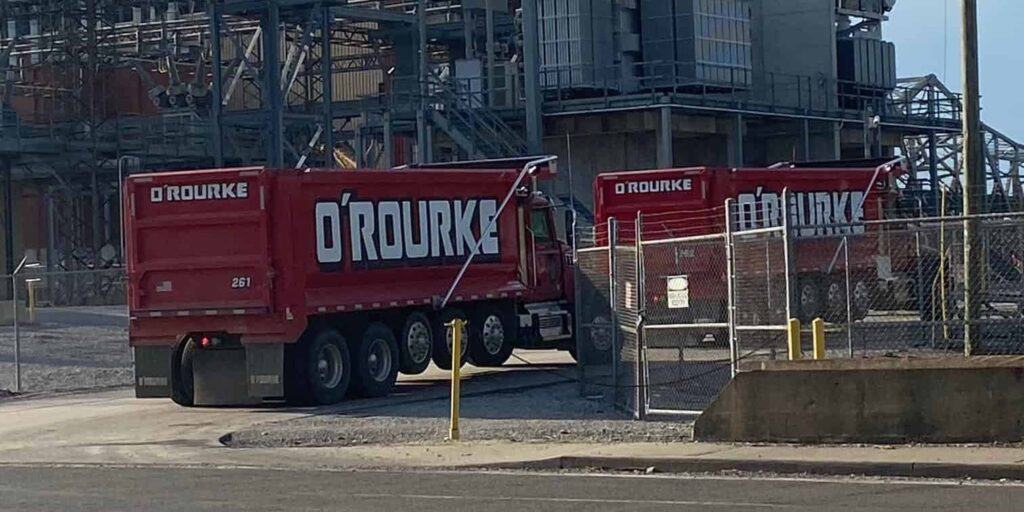
The reason O’ROURKE can guarantee that sequence is that everything happens in-house. Abatement crews aren’t subcontracted out — they’re O’ROURKE employees, fully licensed in hazardous materials safety and waste management, working from the same plan as the demolition team. Clients get a single point of contact, one schedule, and one accountable PM from start to finish.
That integration shows up in the details:
- EPA-approved methods and equipment for containment, removal, and disposal of asbestos and other regulated materials
- Full regulatory compliance with OSHA, EPA, and federal/state environmental laws
- Documented waste tracking — hazardous waste manifests, current inventories, and proper disposal routing (incineration, chemical treatment, or secure landfill depending on the material)
- A 95% recycling rate on industrial projects, with non-hazardous C&D waste handled through O’ROURKE’s partnership with the Whitewater Reclamation Facility
- An EMR of 0.47, well below industry average — a real number that reflects how seriously the safety culture is taken
That last point matters more than it sounds. Low EMR ratings come from years of disciplined work, not marketing copy.
When Integrated Service Matters Most
Some projects can survive a fragmented contractor approach. Many can’t. The integrated model pays off most clearly on older commercial buildings where hidden materials are nearly guaranteed, on industrial decommissioning where the scope of hazards is significant, on school and hospital renovations where occupant safety is non-negotiable, on historic structures that require selective demolition with surgical precision, and on emergency response situations where speed and certification both matter.
In each of those cases, the cost of coordinating multiple vendors — in time, in risk, in budget — outweighs whatever savings a split-contractor approach might appear to offer on paper.
Demolition & Abatement for Commercial, Industrial, and Public-Sector Projects
Demolition and abatement work is especially important on complex properties. Commercial, industrial, and public-sector buildings often have more systems, more materials, more documentation requirements, and more stakeholders than a simple structure.
Common Scenarios on Commercial & Industrial Sites
A few of the project types where the demolition-abatement relationship really matters:
Manufacturing facilities. Decades of process operations leave behind more than just asbestos and lead. Floor drains, sumps, and concrete slabs absorb whatever was being made or used. Old paint booths, plating lines, and degreasing stations come with their own contamination profiles. The abatement scope often extends well beyond standard building materials.
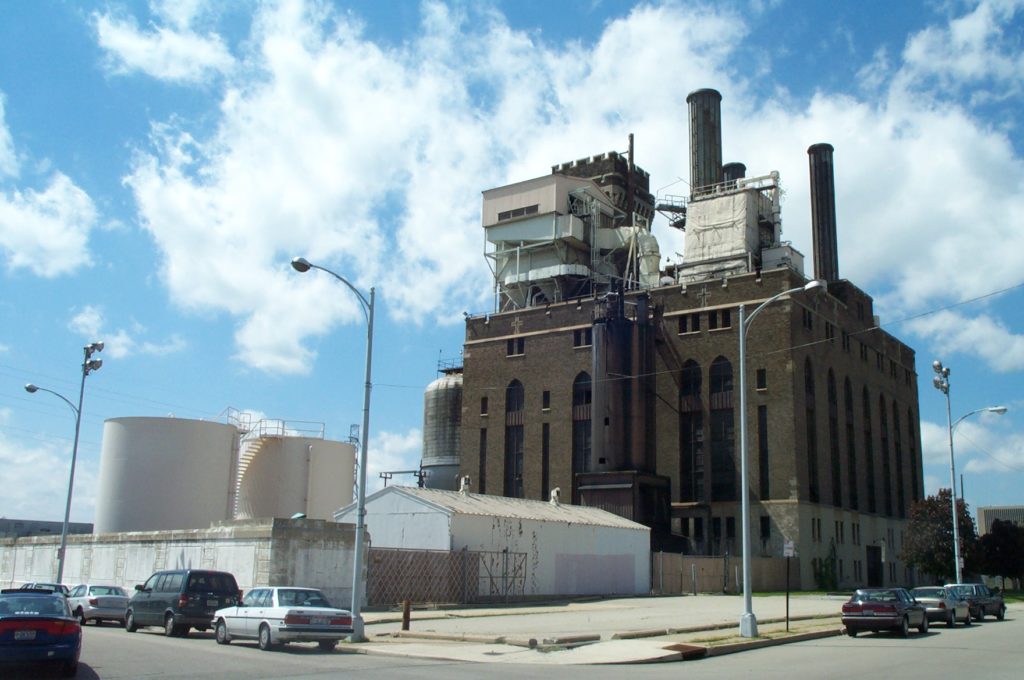
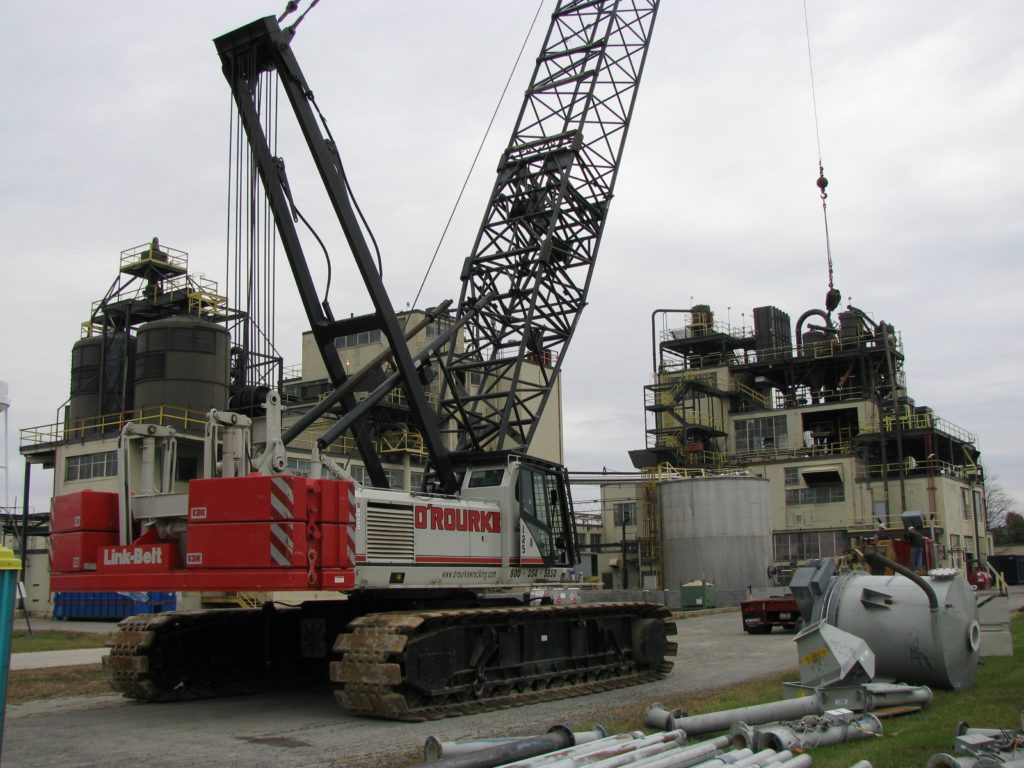
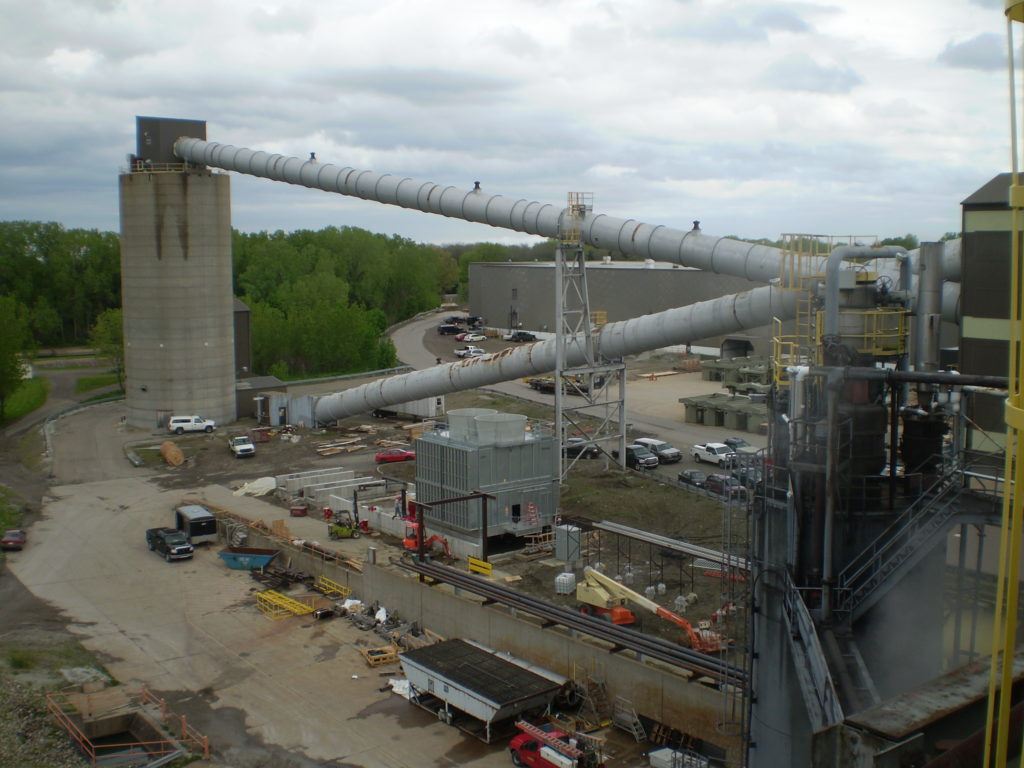
Power generation, refineries, and heavy industrial decommissioning. These sites combine large-scale demolition with specialized abatement: asbestos in pipe insulation and turbine lagging, PCBs in transformer oil, NORM (naturally occurring radioactive material) in some refinery components, mercury in instruments. The work requires contractors with specific experience in industrial decommissioning, not just commercial demolition.
Older office, warehouse, and retail buildings being repositioned. These projects look simpler than industrial decommissioning, and often they are. But mid-century commercial buildings are full of asbestos floor tile, mastic, pipe insulation, and fireproofing, and the abatement scope can drive the schedule even when the structural demolition is straightforward.
Partial demolition and renovation. When abatement is limited to specific areas — a wing being removed, a floor being gutted, equipment being replaced — the challenge shifts to containment. Adjacent occupied spaces have to stay clean, ventilation systems have to be isolated or shut down, and clearance testing has to confirm that the work zone hasn’t contaminated the rest of the building.
The O’ROURKE Process
Every project is different, but the framework is the same. Here’s what working with us actually looks like:
1. Site Assessment & Estimating. Free walk-through with one of our estimators. We review existing hazardous materials surveys, walk the property, and define scope. If a survey doesn’t exist yet, we’ll point you toward a qualified inspector.
2. Permitting & Pre-Mobilization. We handle the paperwork — demolition permits, NESHAP notifications, state and local notifications, utility disconnects, and the abatement plan. You don’t chase regulators; we do.
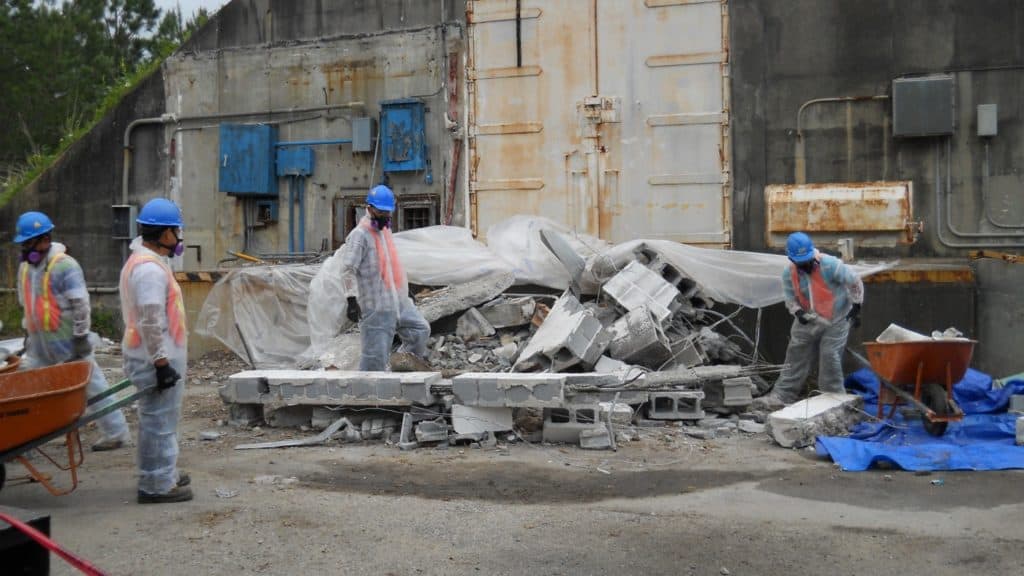
3. Hazardous Materials Abatement. Containment goes up. Air monitoring runs throughout. Materials come out in EPA-approved containers and head to permitted disposal facilities with full manifest documentation. Third-party clearance testing confirms the area is safe before anyone else moves in.
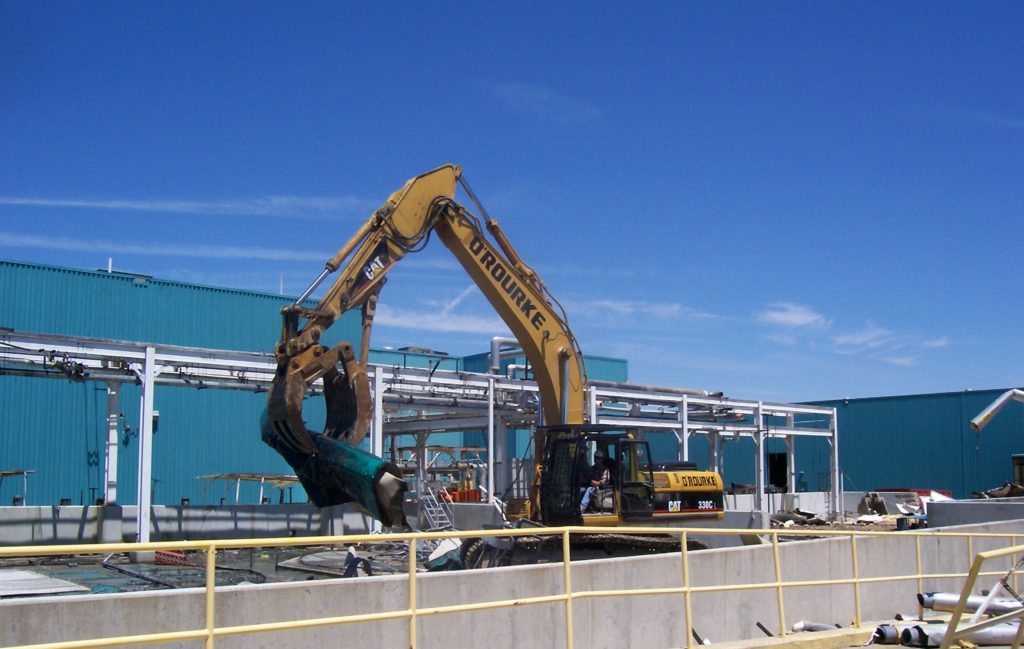
4. Demolition. Once abatement is closed out, our demolition crew takes over. Mechanical demo, implosion, or selective removal — whatever the scope calls for. Same project manager, same schedule, no handoff delays.
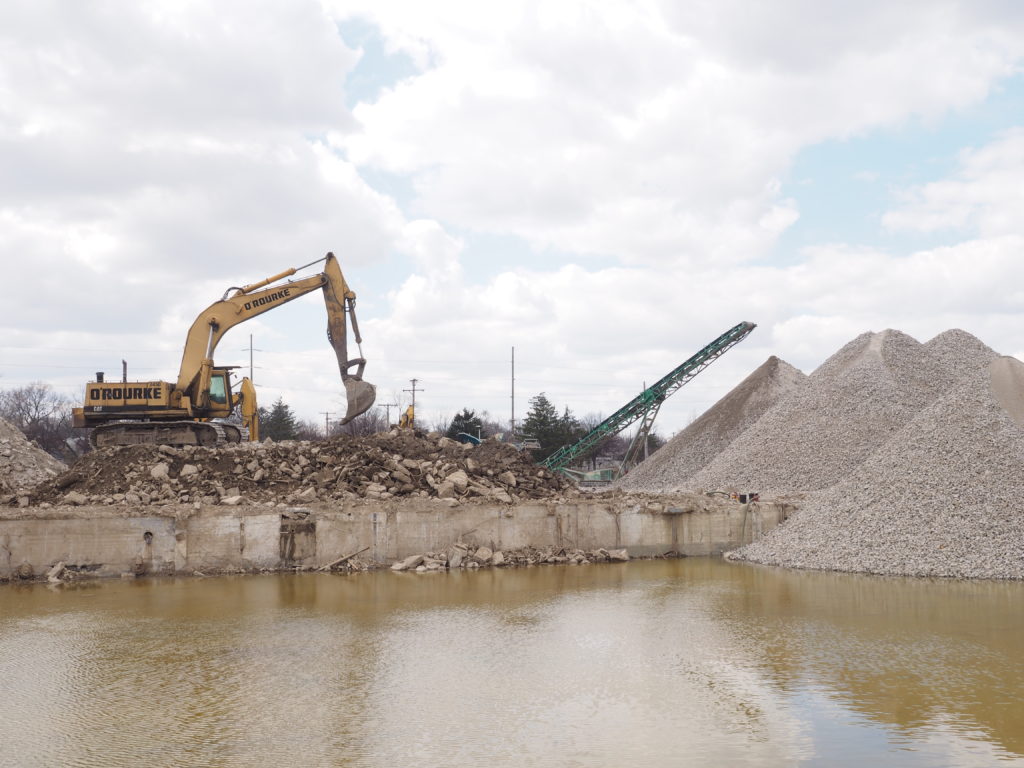
5. Site Clearance & Recycling. We sort, recycle, and recover whatever has value. On industrial projects, we typically recycle up to 95% of the material. Asset recovery on equipment, scrap metal segregation, and concrete crushing for fill — all of it documented.
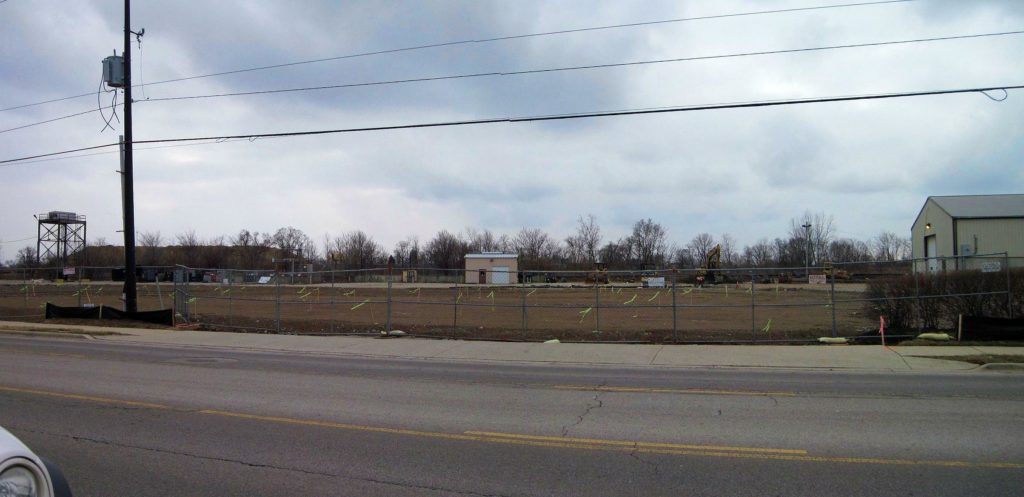
6. Final Site Turnover. Graded, shovel-ready property. Closeout documentation in your hands. You’re cleared to start the next phase.
Frequently Asked Questions
What’s the difference between abatement and remediation?
Abatement is the removal and disposal of regulated hazardous materials — asbestos, lead, mold, and similar — from a structure. Remediation goes further, addressing environmental contamination in soil, groundwater, or air, often after the materials have escaped containment. We handle both.
Do I need abatement before demolition?
If your building was constructed before the early 1980s, almost certainly yes. NESHAP regulations require an asbestos survey before demolition on most commercial and industrial structures, regardless of age. Even if the survey comes back clean, you still need the documentation. We can help you understand what’s required for your specific project.
How long does a typical abatement-then-demolition project take?
It depends on building size, the type and quantity of regulated materials, and site access. A small commercial interior gut-out with limited abatement can wrap in a few weeks. A full industrial decommissioning with extensive remediation can run a year or more. We’ll give you a realistic schedule during the estimating phase, not a number that looks good on paper.
Who handles permits and regulatory notifications?
We do. Demolition permits, NESHAP notifications, state and local hazardous materials filings, utility disconnects — all of it is part of our scope. You don’t have to chase agencies.
What happens to the demolition debris?
Sorted and recycled wherever possible. On industrial projects, we typically recycle up to 95% of the material — concrete gets crushed for fill, metal goes to scrap recovery, and salvageable equipment gets pulled for asset recovery. What can’t be recycled goes to permitted disposal facilities with full manifest documentation.
Is asbestos always present in older buildings?
Not always, but it’s common enough in pre-1980s construction that you should assume it’s there until a survey proves otherwise. Asbestos shows up in floor tile, ceiling tile, pipe insulation, roofing, cement products, and dozens of other places. The only way to know for sure is to test.
What credentials should I look for in a demolition and abatement contractor?
State demolition and abatement licensing, an EMR below 1.0, active membership in ISNetworld or a similar contractor qualification platform, and direct membership in the National Demolition Association are good baseline indicators. For larger projects, also confirm bonding capacity and project-specific insurance limits.
Does O’ROURKE handle emergency response for hazardous material incidents?
Yes. Our 24/7 Emergency Response Team handles containment, hazardous materials removal, demolition, and remediation for incidents involving fire, flood, structural failure, or chemical release. We work with property owners, insurance companies, fire departments, EPA, and FEMA. Call (855) 692-3477 anytime.
Choose O’ROURKE for Demolition and Abatement Services
Demolition and abatement should not be treated as separate afterthoughts. They belong in the same project conversation from the start.
O’ROURKE Wrecking Company provides the experience, equipment, environmental knowledge, and field coordination needed to manage complex demolition and hazardous material removal projects. Our team understands how to assess a site, build a practical scope, sequence the work, protect the jobsite, and document the process from start to finish.
Whether you need selective demolition, structural demolition, asbestos abatement, lead abatement, hazardous material removal, industrial dismantling, environmental remediation, or full site preparation, O’ROURKE can help you plan and complete the work safely.
Contact O’ROURKE Wrecking Company to discuss your demolition and abatement project.